
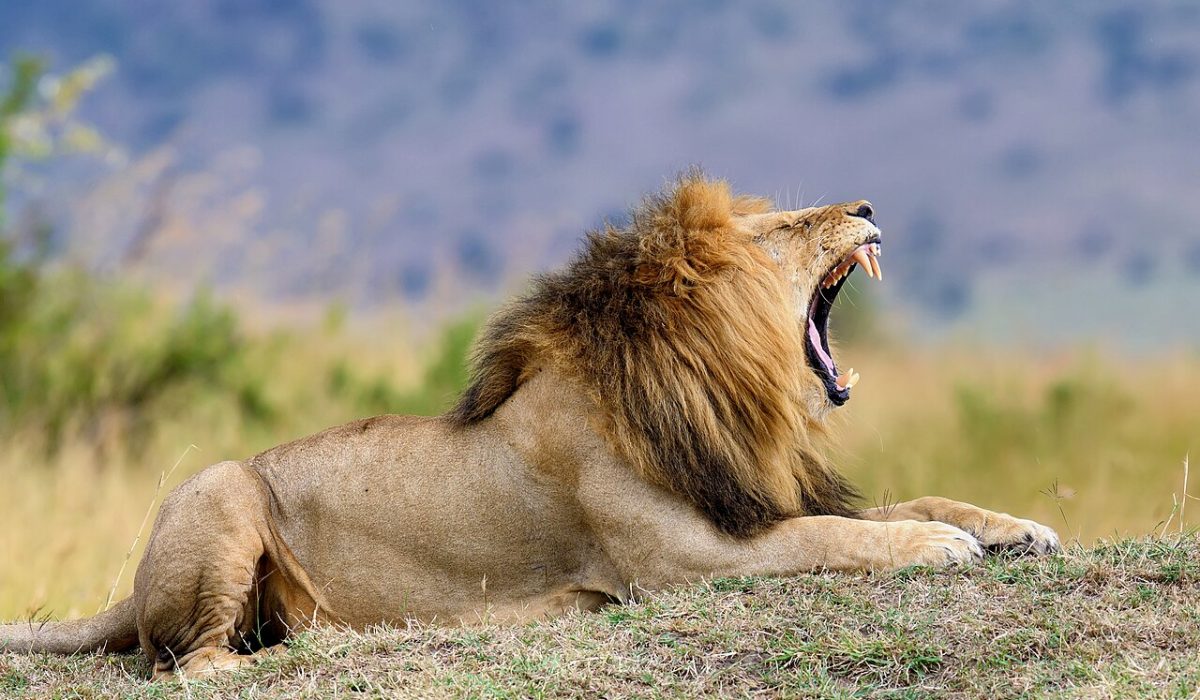
Every fantasy writer, game master, and mobile-game fan hits the same wall sooner or later: the monster needs a name, and “Big Scary Wolf” isn’t going to cut it. A good creature name makes readers feel the claws before the fight even starts. If you’re looking for beast names, the approach matters more than any single word you pick.
For a quick burst of inspiration, the beast names collection on Nickbitz is a decent place to browse. Then come back here and let’s build something that fits your own world.
Start with the animal underneath
Most memorable monsters are built on a real animal. A bear gives you bulk and a winter growl. A heron gives you patience and a long neck. Decide what the creature is based on and let the name echo it. “Gravelmaw” says heavy jaws and rocky terrain. “Thistlewing” paints something small, sharp, and quick. You don’t need to explain either one, because the sound does the job.
Use harsh and soft sounds on purpose
Hard consonants like K, G, and T feel dangerous. Think “Kragtooth” or “Gorrak.” Soft sounds like L, M, and S feel slippery or eerie, like “Silmoth” or “Maralune.” Mixing the two can show a contradiction in the creature: a gentle name for something deadly, such as “Lullamaw,” can be far creepier than a loud one.
Borrow from nature, not from other fantasy
It’s tempting to reach for names that sound like famous franchises. Resist it. Instead, look at geology, weather, plants, and old words for body parts. “Basalt,” “squall,” “sedge,” and “hock” are all underused. A “Squallhorn” or “Basaltback” feels fresh because readers haven’t seen it a hundred times.
Old English and Norse roots are great sources too. “Grim” means mask or helmet in some old words, “wyrm” means serpent, “fang” speaks for itself. Combine two parts and you’ve got something that sounds ancient without being cliché.
Give it a role in the world
Names land harder when they reflect how people in the setting talk about the creature. Villagers wouldn’t use the scientific name for a river predator. They’d call it “the Reed Mother” or “Old Snapper.” Local nicknames add culture to your world for free, and they make the monster feel like it has history.
Titles work well for bigger threats. “The Hollow Stag” and “Ashen Matriarch” are names people whisper. Pair a common noun with a mood word and you often land on something that sticks.
Test it in a sentence
Here’s a trick I use whenever I’m working on a story: drop the name into a tense line and read it aloud. “Run, it’s the Gravelmaw!” works. “Run, it’s the Fluffendorf!” doesn’t, unless you’re going for comedy. If the name makes you smile when it should make you nervous, go back to the drawing board.
It also helps to check how the name looks written down. Odd spellings and too many apostrophes can distract readers. A clean, readable name wins almost every time, and you can find more naming styles at nickbitz.com if you want to compare.
Avoid these traps
Don’t stuff in apostrophes just to look exotic. Don’t name five creatures with the same ending, like -ax or -oth, or readers will mix them up. And don’t be afraid of plain names. A wolf called “Ash” can be scarier than one called “Dreadfang of the Eternal Night,” because simplicity feels real.
One more tip: sketch the creature before you finalize the name. Even a rough doodle shows you whether it’s lean or bulky, furry or scaled, and that shape feeds back into the sound. A long, low animal wants a stretched-out name like “Slithermoor,” while a squat tank of a beast suits something clipped like “Brund.” It takes five minutes and saves a lot of rewriting later.
Whatever you choose, keep a short list of your creatures and their name patterns. It stops you repeating yourself, and it keeps the whole bestiary feeling like it belongs to one world.