
Is it safe to travel to China? For the large majority of visitors, yes. Violent crime against tourists is uncommon, big cities are well lit and heavily monitored, and public transport is efficient. The real risks are smaller and more practical: petty theft in crowds, tourist scams, air quality, language barriers and rules that differ from what you are used to at home. This guide walks through each of them so you can decide with a clear head.
Key takeaways
- China is generally safe for tourists, especially in major cities and well-known sights.
- Pickpocketing, taxi and tea-house scams are the most common problems.
- Entry rules, visa-free lists and payment systems change often, so check official sources shortly before you fly.
- Download offline maps, a translation app and set up mobile payment before you arrive.
- Travel insurance with medical cover is cheap compared with the cost of a hospital visit abroad.
How safe is China for tourists overall?
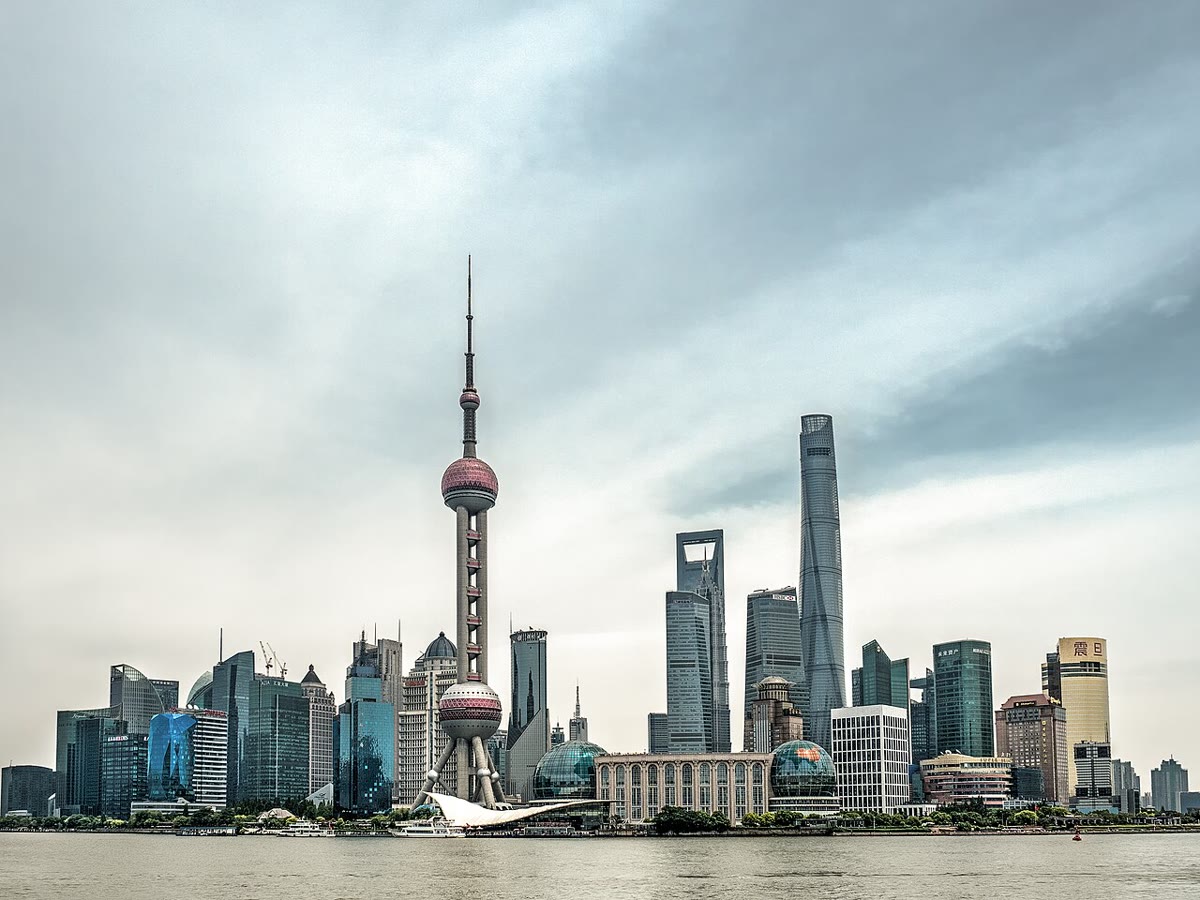
Most travellers describe China as one of the easier large countries to move around in. Cities such as Beijing, Shanghai, Chengdu and Hangzhou have visible policing, plenty of cameras and busy streets late into the evening. Walking home after dinner is normal for locals and visitors alike.
That said, “safe” does not mean “risk-free”. Official government advisories differ between countries and are updated from time to time. Read the current advice from your own foreign ministry, for example the U.S. Department of State travel advisories, and compare it with the situation described by your airline and hotel. Treat the advisory level as a planning tool rather than a verdict, and pay attention to the notes about specific regions.
Crime and common scams
Is it safe to travel to China when it comes to crime? Serious crime aimed at foreigners is rare, but opportunists exist near busy attractions, stations and nightlife streets. Watch for these patterns:
- Tea-house or art-gallery invitations. A friendly stranger offers to practise English and then leads you to an overpriced tea tasting. Politely decline unexpected invitations.
- Unmetered taxis. Insist on the meter or use a ride-hailing app so the route and price are recorded.
- Fake notes and change. Pay by mobile app where you can; if you use cash, check notes in daylight.
- Pickpockets. Crowded subways, markets and tourist sites call for a zipped bag worn in front.
Keep a photo of your passport on your phone, and store your hotel’s name and address in Chinese characters so any driver can read it.
Health, food and air quality
Health planning is the part of a China trip people most often skip. Start by checking the vaccination and health notes on the CDC travelers’ health page for China and speak to a doctor or travel clinic several weeks before departure.
Water and street food
Tap water is generally not drunk untreated, so rely on bottled or boiled water; hotels usually provide a kettle. Street food is one of the highlights of any trip. Choose stalls with a steady queue and food cooked in front of you, and be careful with raw salads or ice in small, quiet places.
Air quality
Air quality varies by city and season. If you have asthma or another respiratory condition, check a live air-quality app on the morning of each outing and carry a well-fitting mask on poor days.
Medical care
Big cities have international clinics and large hospitals with English-speaking staff, but queues and payment procedures can be confusing. Insurance that covers evacuation and direct billing gives you far more options.
Entry rules, visas and paperwork
Entry requirements are the most changeable part of a trip. Some nationalities can enter for short stays without a visa under temporary or recurring schemes, others need a tourist visa arranged in advance. Because these lists change, confirm the rules with the Chinese embassy or consulate website for your country and with your airline before booking.
Whatever route you use, check that your passport has enough validity and blank pages. Our guide to travelling with an expired passport explains why this simple check can end a trip before it starts. Also note that foreigners must register their accommodation with the local police; hotels do this automatically, but private rentals may need you to do it yourself.
Money, phones and getting around
Is it safe to travel to China with only a phone and a card? It can be, if you prepare. China is largely a mobile-payment society. Alipay and WeChat Pay are accepted nearly everywhere, and both now let visitors link an international card. Still, carry some cash and a card as a backup, because a few shops, taxis and small towns remain cash-friendly.
- Install a translation app and download offline maps before you land.
- Many Western apps and websites are blocked. Arrange an eSIM or roaming plan and any tools you need before you arrive.
- High-speed trains are comfortable, fast and booked with your passport details; subways in major cities have signs in English.

Laws, customs and respect
Is it safe to travel to China if you do not know the local rules? Yes, provided you learn the basics. Laws around drugs are severe, photography near military or government sites can cause problems, and public criticism of politics is best avoided. Carry your passport when you go out, because hotels, train stations and some attractions ask for it. Small courtesies go a long way: queue patiently when you can, accept business cards with both hands and do not stick chopsticks upright in rice.
Sample first-time itinerary and budget tips
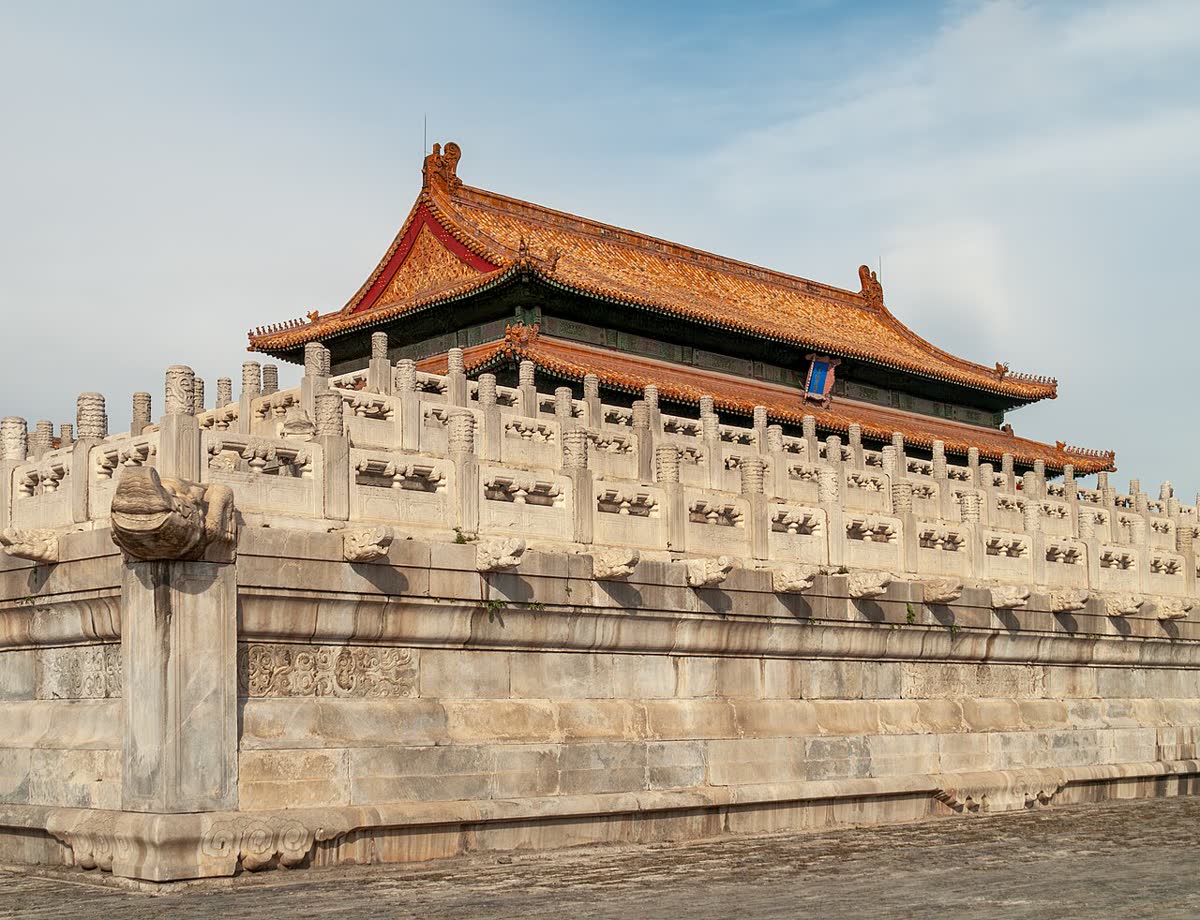
Is it safe to travel to China on a busy first itinerary? Yes, and a good plan helps. A well-paced first visit often combines Beijing’s Forbidden City and the Great Wall, a high-speed train to Xi’an for the Terracotta Army, and a finish in Shanghai. Allow buffer time because cities are enormous. Daily costs vary widely: hostels and street food are cheap, while hotels in central Shanghai or Beijing can cost much more. If you are comparing destinations by price, see our roundup of cheap places to travel that cost less than $50 a day.
Book big sights ahead of time, since many require timed tickets reserved online with your passport number. Weekdays outside public holidays are far less crowded. Golden Week at the start of October and the Lunar New Year period are the busiest travel times in the country, so avoid them if you prefer calm.
Frequently asked questions
Is it safe to travel to China as a solo traveller?
Yes. Many solo travellers, including women, report feeling comfortable. Use the same common sense you would anywhere: avoid isolated places late at night and share your plans with someone at home.
Is it safe to travel to China with a family?
Yes, families visit regularly. Plan for long travel days, pack medication and snacks children recognise, and choose hotels near subway stations.
Do I need a visa?
It depends on your passport and the length of your stay. Check the official embassy or consulate page for your country, as visa-free arrangements change.
Can I use my credit card and phone?
Foreign cards work in major hotels and malls and can be linked to Alipay or WeChat Pay. Set up roaming or an eSIM, and prepare for blocked apps.
What is the biggest risk for tourists?
Petty theft and scams are the most common problems, followed by health issues such as stomach upsets. Good insurance covers both.
Conclusion
So, is it safe to travel to China? For most visitors, yes, provided you prepare. Check official advice close to departure, sort out money and connectivity before you land, protect your belongings in crowds and respect local laws. With those basics covered, China rewards travellers with extraordinary history, food and scenery.