March health awareness month is not a single campaign but a crowded calendar of causes, including nutrition, kidney health, colorectal cancer screening, sleep, oral health and brain injury. This guide maps the main observances, explains why they matter and gives practical ways to take part, from booking a screening to organising a workplace walk. Exact dates and themes vary by country and year, so confirm details with each organisation.
Key takeaways
- March includes National Nutrition Month, Colorectal Cancer Awareness Month, National Kidney Month and Brain Injury Awareness Month in the United States.
- Global days include World Hearing Day, World Kidney Day, World Sleep Day, World Oral Health Day and World Tuberculosis Day.
- Awareness is only useful if it leads to action: screening, habit changes or conversations.
- Choose one cause that matters to you rather than trying to follow them all.
- Check dates and themes on official organisation websites.
Why awareness months matter
Awareness campaigns help people learn warning signs, understand risk and seek care earlier. They also give charities, clinics and employers a reason to start conversations that might otherwise feel awkward. The benefit comes when information turns into action: a screening booked, a medicine reviewed, a habit started. If you want a place to start, our article on why small healthy lifestyle changes make a big impact shows how to convert good intentions into daily routines.
Nutrition and healthy eating
March health awareness month begins with food for many people. March is National Nutrition Month in the United States, an education campaign run by the Academy of Nutrition and Dietetics. The idea is to encourage informed food choices and healthy eating and physical activity habits. Easy ways to take part include planning a week of simple meals, trying a new vegetable, reading labels and cooking with a friend.
- Fill half your plate with vegetables and fruit at one meal a day.
- Swap sugary drinks for water on weekdays.
- Plan snacks so you are not relying on vending machines.
Kidney health
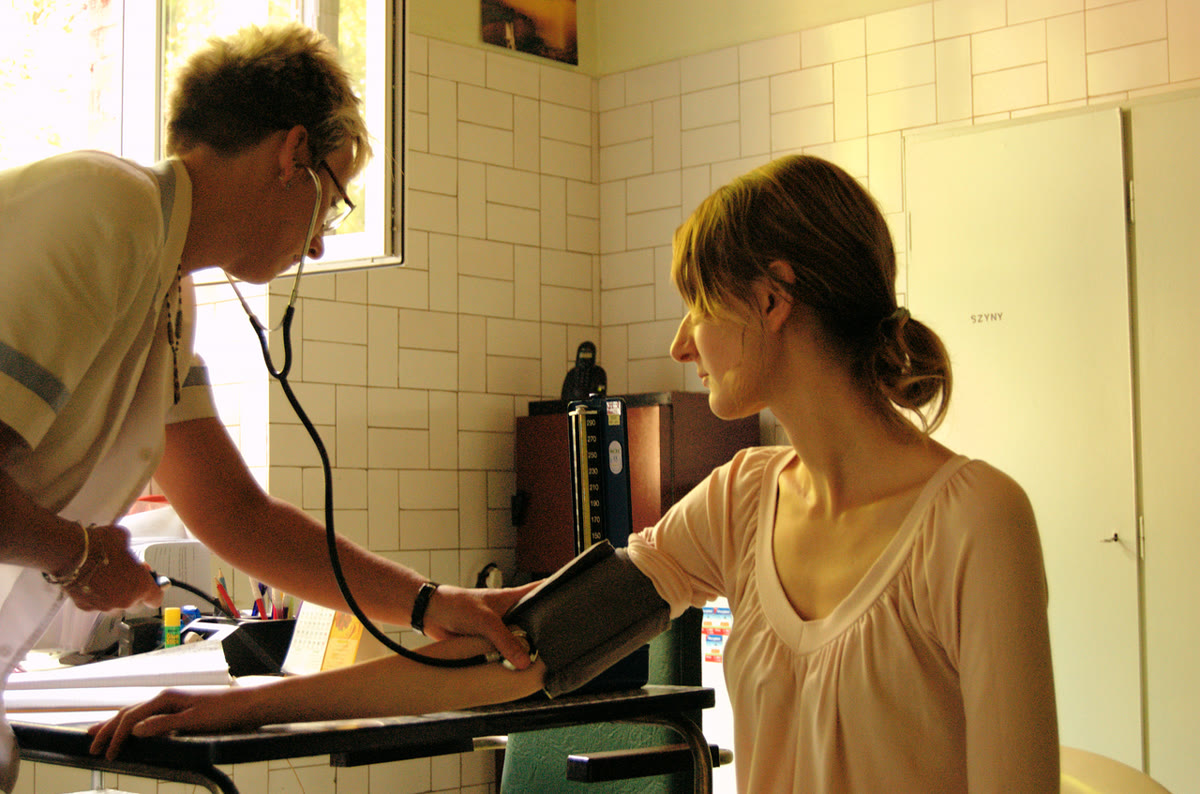
March health awareness month also spotlights the kidneys. March is also National Kidney Month in the US, and World Kidney Day falls in the second week of the month. Kidney disease often has no symptoms in early stages, which is why testing matters for people with diabetes, high blood pressure or a family history. The National Kidney Foundation offers risk information and screening resources. Basic protective habits include controlling blood pressure and blood sugar, staying hydrated, and using pain relievers carefully.
Colorectal cancer awareness
Colorectal Cancer Awareness Month encourages screening, which can find polyps or early cancers when treatment works best. Screening guidance depends on age, risk and country, so speak to a doctor about when to start and which test is suitable. The CDC colorectal cancer pages explain screening options in plain language. Symptoms such as persistent changes in bowel habits or blood in the stool should be checked promptly, regardless of age.
Sleep, hearing and oral health
World Sleep Day
World Sleep Day is held on a Friday in March, close to the spring equinox, and highlights the importance of healthy sleep. Aim for regular sleep and wake times, a dark and cool bedroom and less screen time at night.
World Hearing Day
World Hearing Day on 3 March, led by the World Health Organization, promotes ear and hearing care. Keep volume levels sensible on headphones and have your hearing tested if you notice difficulty following conversations.
World Oral Health Day
Observed on 20 March, it reminds people to brush twice daily, clean between teeth and visit a dentist regularly.
Brain injury, MS and other March causes
Brain Injury Awareness Month highlights prevention, such as wearing helmets and seatbelts, and support for survivors. March is also associated with Multiple Sclerosis Awareness, Endometriosis Awareness and Developmental Disabilities Awareness. World Tuberculosis Day on 24 March draws attention to a preventable and treatable disease that still affects many people worldwide. For all these topics, rely on health authorities such as the World Health Organization campaigns page for accurate information.
Ways to take part
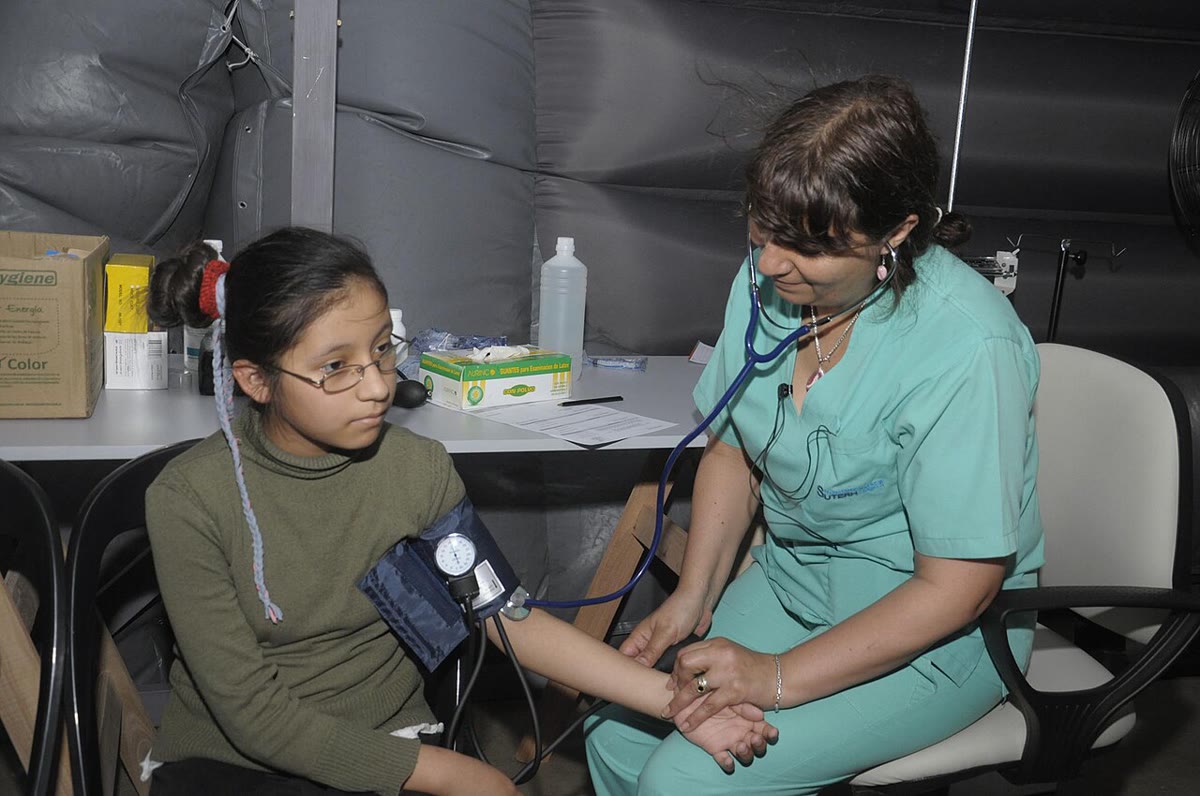
- Book a check-up. Use the month as a reminder to schedule screenings and vaccinations that are due.
- Review your insurance. Know which screenings are covered; our explainer on health insurance terms helps you read the fine print.
- Start a workplace challenge. A walking contest or healthy lunch day builds team spirit.
- Share reliable information. Pass on links from trusted sources, not rumours.
- Support a charity. Donate, volunteer or fundraise for a cause close to you.
Employers can go further by giving staff time for appointments. Read how executive health programmes build prevention into work life.
Plan your month: a simple calendar
Use this table to spread March health awareness month across four weeks.
| When | Focus | Action |
|---|---|---|
| Early March | Hearing, nutrition | Hearing check, meal plan |
| Second week | Kidney health | Blood pressure check |
| Mid-month | Sleep, oral health | Fix a bedtime, dental visit |
| Late March | Colorectal screening, TB | Talk to a doctor about screening |

Making awareness stick
March health awareness month works best when you turn it into a plan. Awareness days fade quickly unless you attach them to a plan. Choose one action per week of the month and write it in your calendar: a screening appointment, a family conversation about medical history, a bedtime reset, a nutrition swap. Tell a friend so you are accountable. Check that any information you share comes from official health bodies, and be careful with social media claims about miracle cures. If you manage a team, offer flexible time for appointments and place a reminder in the staff newsletter. Small, specific commitments, repeated each year, do more for community health than a flood of posts.
Frequently asked questions
What is March health awareness month?
It is an informal name for several health observances that take place in March, such as nutrition, kidney and colorectal cancer awareness.
Which health days fall in March?
Examples include World Hearing Day (3 March), World Oral Health Day (20 March), World Tuberculosis Day (24 March), World Kidney Day and World Sleep Day, which move with the calendar.
How can I take part?
Schedule a check-up, share reliable information, start a healthy habit or support a charity.
Do awareness months really help?
They can, when they lead people to screening, earlier care and better habits. Awareness alone is not enough.
Where can I find accurate information?
Use national health agencies, the WHO and recognised patient organisations.
Conclusion
March health awareness month offers many ways to look after yourself and others. Pick one or two causes, book any overdue checks and start one small habit. Doing something concrete is what turns awareness into better health.