In a One Piece vs Naruto shonen manga comparison, neither series wins outright: One Piece is stronger at world-building and long-term mystery, while Naruto is stronger at focused emotional character arcs. Both defined a generation of readers, and both are still worth reading today. This guide compares them across story structure, world, characters, themes, art and cultural impact so you can decide which one suits you.
Key takeaways
- One Piece (1997) is an exploration-driven adventure with a huge, layered world.
- Naruto (1999 to 2014) is a tightly focused story about rivalry, isolation and breaking cycles of hatred.
- Luffy stays consistent while his world grows; Naruto changes dramatically as a person.
- Both are published by Shueisha and ran in Weekly Shonen Jump, so they share a magazine heritage.
Where They Came From
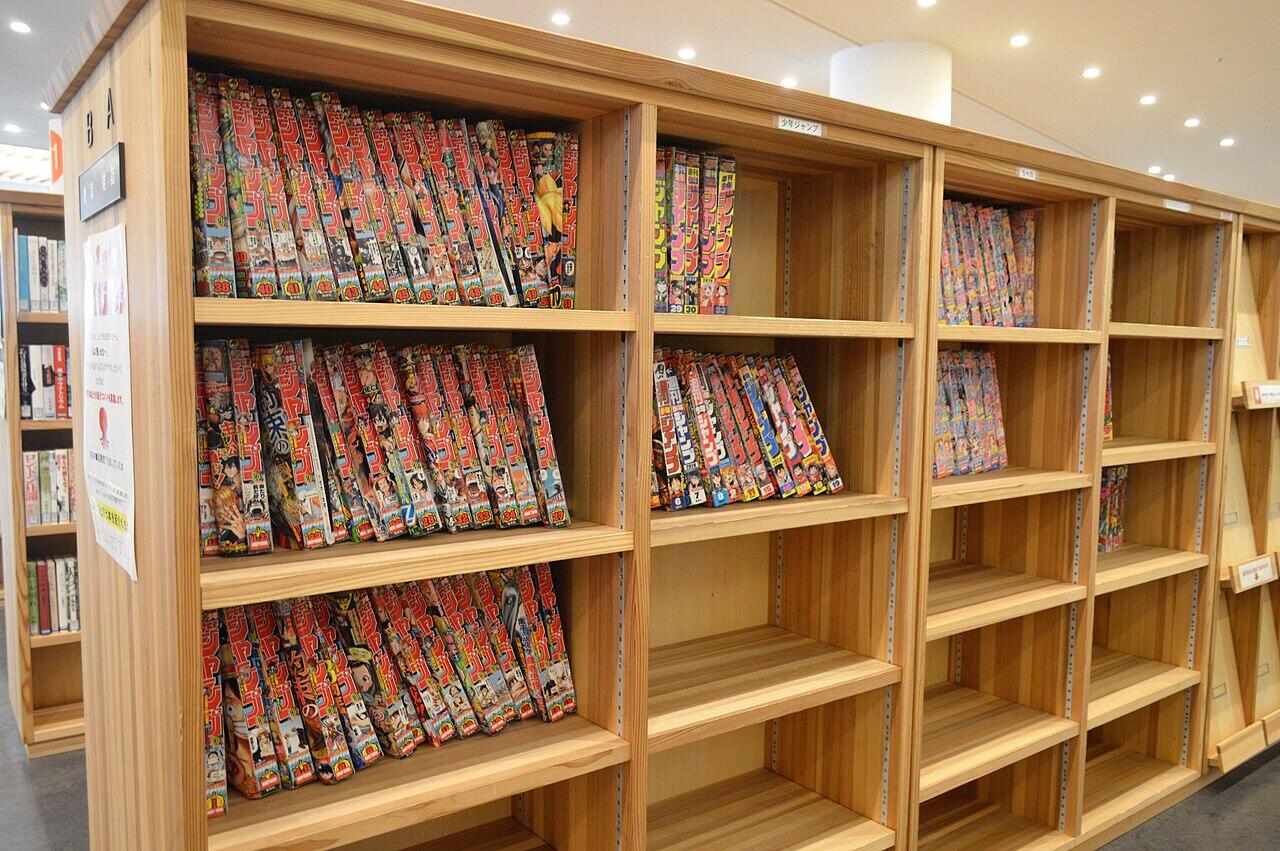
Both stories grew up in the same magazine. One Piece, created by Eiichiro Oda, began in Weekly Shonen Jump in 1997. Naruto, created by Masashi Kishimoto, started there in 1999 and ended in 2014 after 700 chapters. Weekly Shonen Jump, published by Shueisha, has a long tradition of friendship, effort and victory as core themes, and these two series are among its most recognisable pillars. If you are curious about how a weekly serial reaches shelves, our article on how manga gets published explains the process.
Story Structure and Pacing
One Piece is built around exploration. The crew travels from island to island, and each stop introduces new rules, factions and mysteries that connect to a larger plot. This lets Oda switch from comedy to tragedy within a single saga. Naruto is more tightly focused on a small number of ninja nations. Its pacing often revolves around tournaments, training periods and rivalries, particularly the relationship between Naruto and Sasuke. The structure allows for deep, sustained character work, but it offers less of the open-ended discovery that defines One Piece.
World-Building Approach
Few manga attempt world-building at the scale of One Piece. Governments, histories, unusual powers and geography are layered over decades, and readers often revisit early chapters after a major reveal to spot the foreshadowing. Naruto’s world is more contained: five great ninja nations, each with its own culture and traditions. That narrower focus lets Kishimoto explore war, peace and generational trauma with a clear narrative throughline.
Character Development
This is where the two series differ most. Luffy’s core personality barely changes; the story instead shows the weight of his values as the stakes rise. Supporting characters such as Nami, Zoro and Robin receive dedicated backstories that deepen their motivations without altering the tone of the series.
Naruto takes a more transformative approach. Naruto himself grows from a lonely troublemaker into a selfless leader, and characters like Sasuke, Sakura and Gaara go through some of the most discussed arcs in modern shonen, often blurring the line between hero and antagonist. For more on morally grey characters, see our list of top anti-hero characters in manga storytelling.
Themes and Emotional Core
Both series explore freedom, friendship and found family, but they frame them differently. One Piece asks what people will risk for genuine freedom and connection, often through antagonists who are dark mirrors of the crew. Naruto leans on isolation, acceptance and the question of whether understanding an enemy’s pain can end a cycle of revenge.
Side-by-Side Overview
| Aspect | One Piece | Naruto |
|---|---|---|
| Creator | Eiichiro Oda | Masashi Kishimoto |
| Started | 1997 | 1999 |
| Core structure | Island-to-island exploration | Focused rivalries and ninja nations |
| Protagonist | Steady, grows in influence | Changes deeply as a person |
| Combat style | Inventive powers and creativity | Techniques, strategy and mind games |
| Status | Ongoing | Completed in 2014 |
Art, Combat and Cultural Impact
Oda’s art is known for exaggerated designs and inventive locations. Combat often rewards creative problem-solving. Kishimoto’s art favours sleek, dynamic action built around hand signs and elemental techniques, with fights that stress strategy and dramatic escalation. Culturally, Naruto introduced many Western viewers to anime conventions and fan communities in the early 2000s, while One Piece has kept steady momentum for decades.
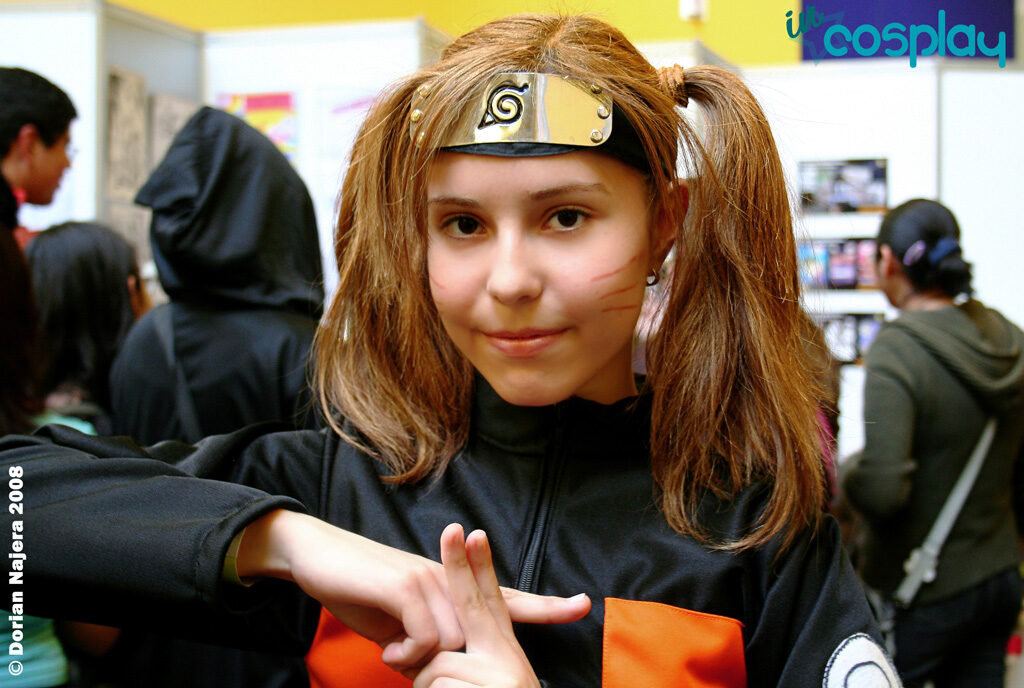
Rather than competing, the series often introduce fans to each other. If you are deciding what to read next, our guides on how to start reading manga and underrated manga series are good places to continue. For neutral background, see the Wikipedia pages for One Piece and Naruto.
Practical Tips for Choosing Your Next Read
If you are still undecided, try a simple test. Read the first few chapters of each and ask what pulled you in. If it was the sense of a big, strange world to explore, One Piece will probably keep you hooked. If it was the central rivalry and the feeling that each fight changes the characters, Naruto is the better fit.
Time is another factor. Naruto is finished, so you can read it start to finish without waiting for new chapters. One Piece is much longer and still releasing, which means you can catch up and then follow it week by week, but it is a bigger commitment. Whichever you choose, read from chapter one: both series build their emotional payoffs on early scenes that are easy to miss if you skip ahead.
Finally, do not feel you must pick a side. Many fans enjoy One Piece for its optimism and imagination and Naruto for its seriousness and character drama, and treat them as complementary rather than rival experiences.
Frequently Asked Questions
Which is better, One Piece or Naruto?
It depends on taste. One Piece suits readers who like big worlds and long mysteries; Naruto suits those who prefer focused emotional arcs and rivalries.
Is Naruto finished while One Piece is still running?
Naruto’s manga ended in 2014. One Piece is still being serialized, so a full comparison is only possible on the completed parts.
Which is easier to start with?
Naruto is shorter and has a clear ending, which makes it easier to finish. One Piece is much longer but can be started at the beginning without any prior knowledge.
Do both series share a publisher?
Yes. Both were serialized in Weekly Shonen Jump, which is published by Shueisha.
Are the anime adaptations worth watching?
Many fans enjoy both, though opinions on pacing differ. Our article on why manga-to-anime adaptations disappoint fans explains common reasons.
Final Thoughts
One Piece and Naruto each mastered a different side of shonen storytelling: imaginative world-building and patient payoffs on one hand, emotional transformation and thematic depth on the other. Neither is objectively better, and that is why the shonen manga comparison keeps going. Start with the one that matches your taste, and chances are you will end up reading both.