Manga anti-hero characters are protagonists who pursue their goals through morally questionable means, and the best of them changed how manga tells stories. Instead of a flawless champion fighting a clear villain, these figures are driven by vengeance, ambition, trauma, or a private code that does not match conventional heroism. Their complexity pushed the medium toward moral gray areas and made readers question loyalty, justice, and what a “good” character even is. Below are seven manga anti-hero characters who shaped that shift, and what each one brought to the page. Not every fan agrees on the list, but the seven below come up again and again.
Key takeaways
- An anti-hero pursues goals that may be understandable, but uses methods a traditional hero would reject.
- Guts, Light, Gaara, Levi, Vegeta, Itachi, and Lelouch each show a different kind of moral ambiguity.
- Their popularity pushed writers toward trauma-aware backstories and less predictable character growth.
- You can enjoy these stories without agreeing with the characters; the discomfort is part of the point.
What Makes a Manga Anti-Hero Different From a Villain?
The line is thinner than it looks. A villain works against the story’s central values, while an anti-hero works toward a goal the reader can sympathize with, even when the way they get there is ugly. Wikipedia’s overview of the antihero describes the archetype as a central character who lacks conventional heroic qualities such as idealism or courage, and that description fits manga well.
In practice you can spot manga anti-hero characters by three habits: they break rules when rules get in the way, they carry a wound that explains their behavior, and they rarely get a clean victory. That last point matters. Readers keep turning pages because the outcome is not guaranteed to be righteous.
Why Manga Anti-Hero Characters Resonate With Readers
These characters feel human in a way perfect heroes often do not. They make bad calls, struggle with their own darkness, and sometimes lose as much as they win. Writers use them to explore trauma, power, and identity in ways a straightforward hero cannot carry. The result is storytelling that feels layered, occasionally uncomfortable, and far more memorable.
There is also a practical reason. Long-running weekly serials need room for characters to change, and a conflicted lead gives an author years of material. If you are new to the format, our beginner’s guide to reading manga explains how serialization works and why long arcs suit this kind of character.
Seven Manga Anti-Hero Characters Who Changed the Genre
1. Guts (Berserk)
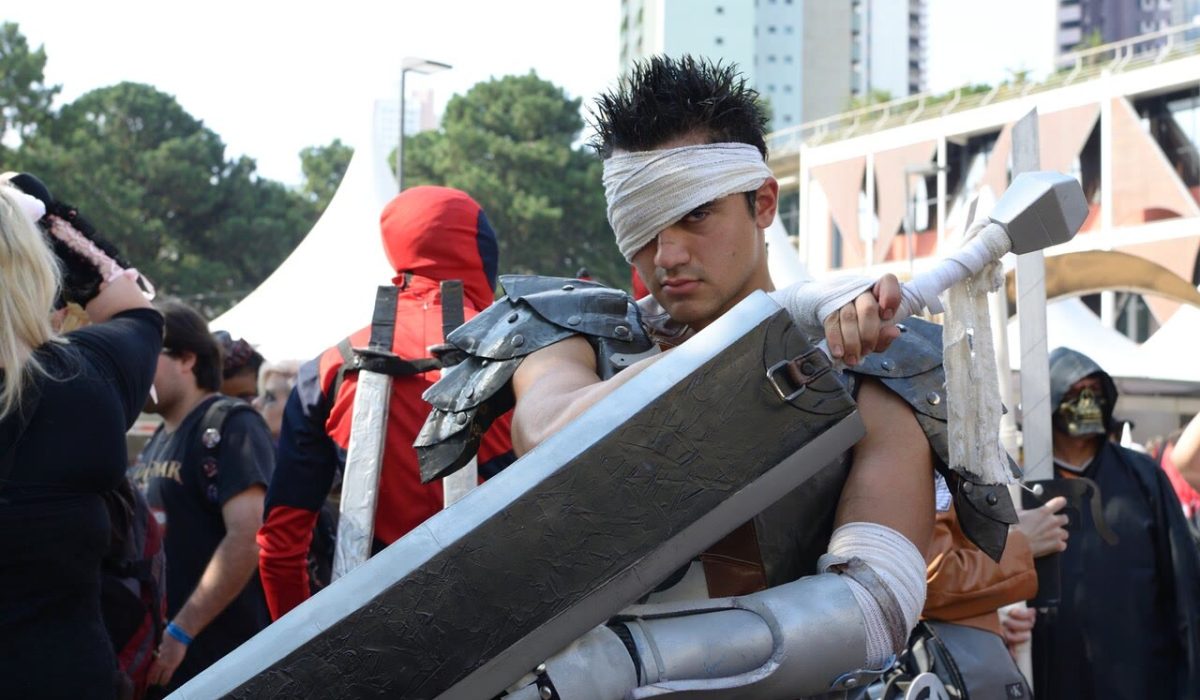
Guts is often cited as a definitive example because his journey is built on suffering, rage, and survival rather than noble ideals. Kentaro Miura’s dark fantasy follows his vengeance against Griffith in a way that is brutal and unglamorous, and his relationships are shaped by scars both physical and emotional. Guts proved that a protagonist did not need to be likable in a traditional sense to be compelling. He needed to be real. You can read more about the series in this Berserk manga overview.
2. Lelouch Lamperouge (Code Geass)
Lelouch is a strategist willing to manipulate, deceive, and sacrifice others for his vision of a better world. His intelligence makes him magnetic, but treating people as pawns keeps him outside the hero archetype. Code Geass began as an anime, with manga adaptations following, and it uses his moral ambiguity to ask what a revolution costs even when the goal sounds just.
3. Light Yagami (Death Note)
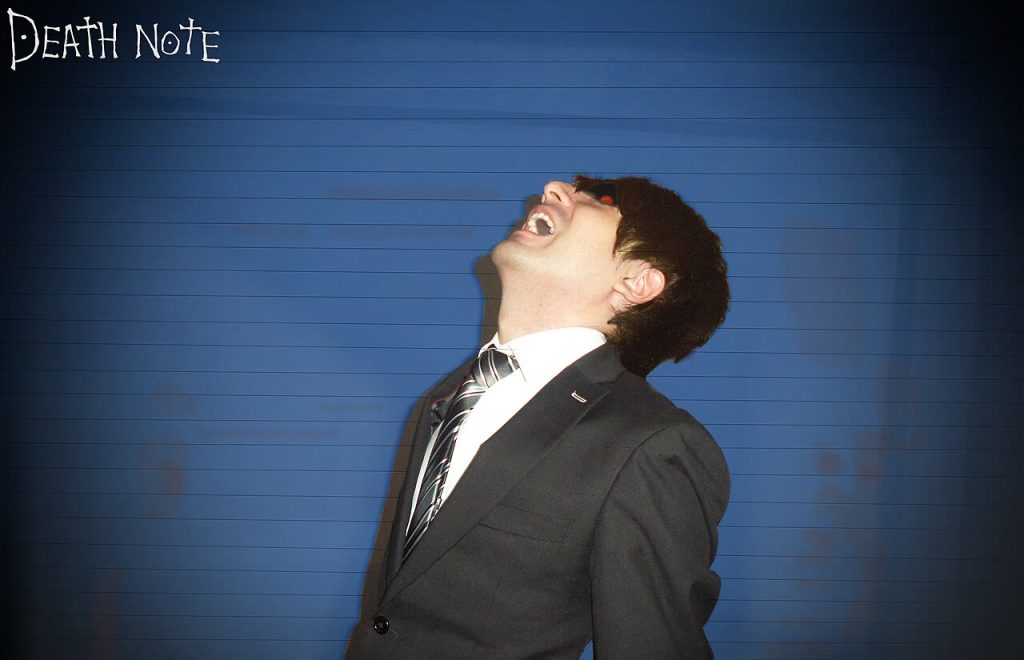
Few anti-heroes divide readers as sharply as Light. What starts as a seemingly justified crusade against crime spirals into authoritarian control and self-righteous cruelty. Written by Tsugumi Ohba and illustrated by Takeshi Obata, Death Note shows how power can corrupt someone who first believes they are doing good, which makes Light one of the most discussed examples of moral erosion in the medium.
4. Gaara (Naruto)
Gaara’s early portrayal as a feared, isolated figure shaped by childhood trauma made him one of Naruto’s most striking anti-heroes. His violence was not random; it grew out of loneliness and a desperate need for validation. His gradual shift toward empathy showed that an anti-hero can evolve without erasing the pain that defined him.
5. Levi Ackerman (Attack on Titan)
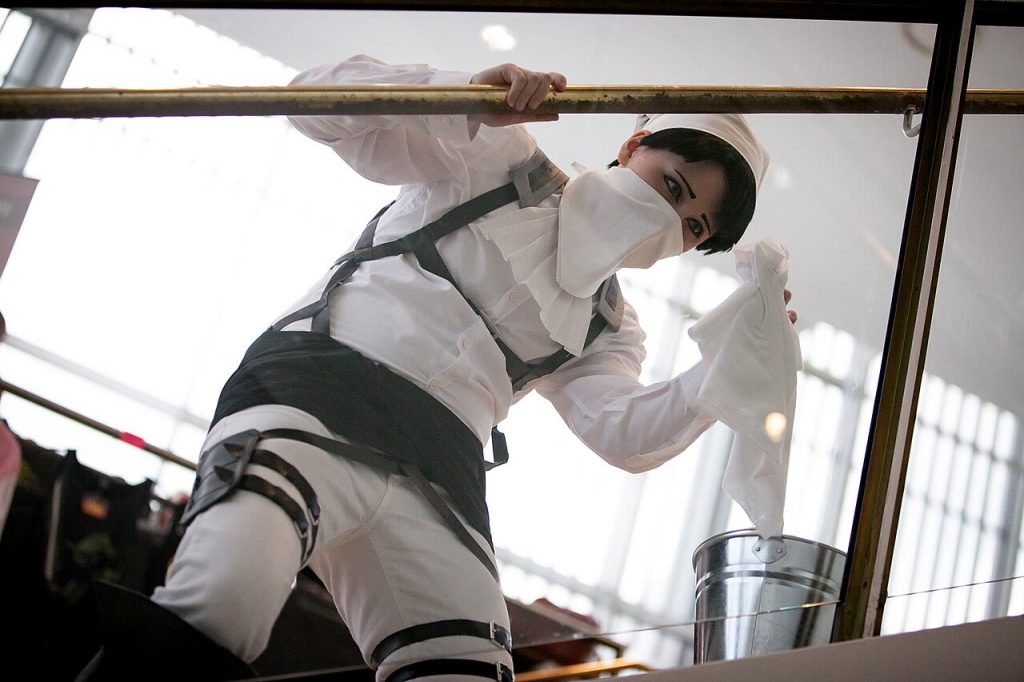
Levi works in a world where survival demands ruthless pragmatism. He is loyal to his comrades but coldly efficient with threats, and he rarely shows the warmth of a conventional hero. His moral compass comes from necessity rather than idealism, which is exactly why he fits the bleak tone of Hajime Isayama’s story.
6. Vegeta (Dragon Ball)
When Akira Toriyama introduced him, Vegeta’s arrogance and willingness to harm innocents put him firmly outside hero territory. Over time his motivations shifted, yet his core stayed competitive, proud, and often selfish. Vegeta taught manga audiences that anti-heroes can soften without turning into someone else.
7. Itachi Uchiha (Naruto)
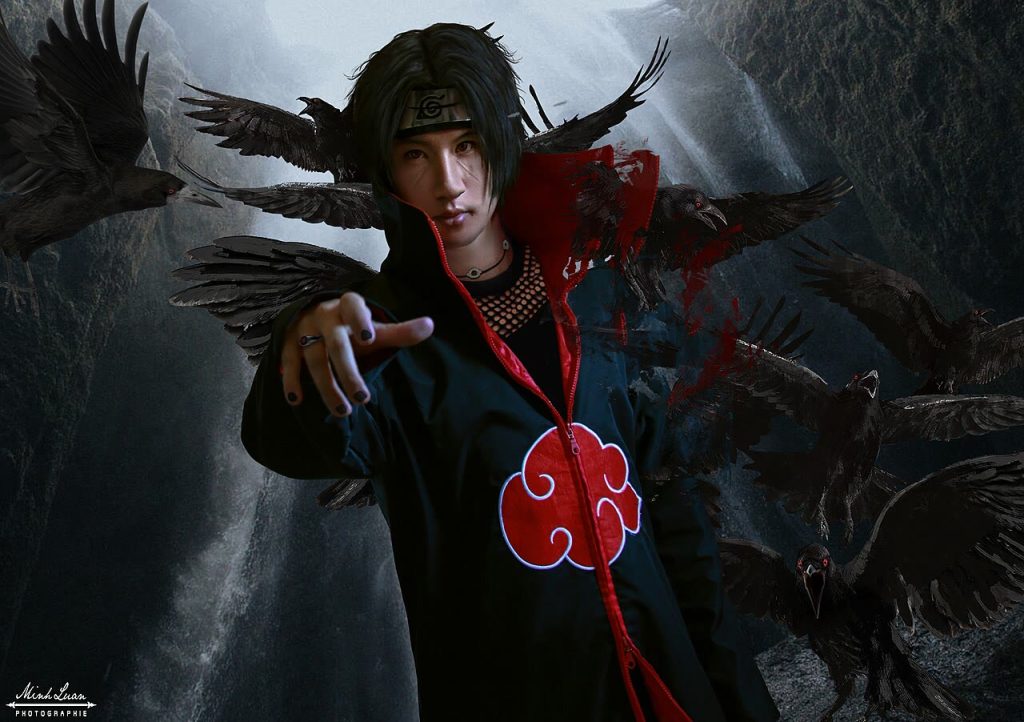
Itachi’s story is a lesson in moral ambiguity. His actions look monstrous on the surface, yet the reasoning behind them reveals sacrifice, duty, and devastating personal cost. He forced readers to reconsider earlier judgments, which is why manga anti-hero characters often reward patience and a second read.
How Manga Anti-Hero Characters Changed Storytelling
Each of these manga anti-hero characters contributed something distinct. Together they nudged writers away from simple good-versus-evil structures and toward moral complexity as a storytelling tool.
| Character | What the character pushed the genre to do |
|---|---|
| Light and Itachi | Make moral ambiguity part of the draw, not a flaw |
| Gaara and Guts | Use trauma to explain, without excusing, harmful behavior |
| Vegeta and Levi | Allow growth without a complete personality overhaul |
| Lelouch | Trust readers to sit with calculated manipulation |
These shifts influenced countless later series, because audiences clearly wanted characters who felt conflicted and believable rather than flawless symbols of virtue.
The Lasting Influence on Modern Manga
Today, manga anti-hero characters are a staple, not a niche. Newer series regularly feature leads with questionable methods or murky pasts, which lets manga tackle systemic injustice, psychological trauma, and the blurred line between heroism and villainy. If you want to follow that thread into newer titles, try our list of underrated manga series, or the picks in 10 best manga like Chainsaw Man. For a look at how these stories reach print, see how manga gets published.
Tips for Reading Manga Anti-Hero Characters
- Read the early chapters again after the first big reveal; characters like Itachi change meaning on a second pass.
- Notice what the story rewards in its manga anti-hero characters. Does it excuse the character’s methods, or make them pay for them?
- Talk it over with other readers. Anti-hero arcs spark healthy disagreement.
- Pair a heavy series such as Berserk with something lighter so you do not burn out.
Frequently Asked Questions
What is a manga anti-hero?
It is a main character who pursues understandable goals through morally questionable methods, so readers sympathize with them without fully approving of them.
Is Light Yagami a hero or a villain?
Readers disagree. He starts with a goal many find appealing, but his methods and growing arrogance push him toward villainy, which is why he is a classic example in any talk about manga anti-hero characters.
Which anti-hero should I read first?
Death Note is a compact starting point because the story is complete and tightly plotted. Berserk is heavier and best for readers comfortable with dark, violent fantasy.
Why do manga anti-hero characters feel more realistic?
They have flaws, regrets, and mixed motives, much like real people, and their outcomes are not guaranteed to be tidy.
Are anti-heroes only found in dark manga?
No. Vegeta in Dragon Ball shows the archetype working inside a lighter action series, where it adds rivalry and growth rather than gloom.
Conclusion
The rise of manga anti-hero characters reflects a broader move toward complexity and emotional honesty. Guts, Lelouch, Light, Gaara, Levi, Vegeta, and Itachi did more than entertain; they widened what a protagonist could be. Pick one of these manga anti-hero characters, read with an open mind, and decide for yourself where the line between hero and villain really sits.