The One Piece Wano arc is the series’ strongest argument that a story can run for decades and still get better. It pays off Oden’s backstory, gives Luffy his most tactical fights yet, and wraps political rebellion, samurai themes and pirate adventure into one coherent saga. This One Piece Wano arc review explains why it works, where it asks for patience, and what it means for shonen storytelling as a whole.
Key takeaways
- Wano succeeds because it pays off threads planted long before the arc began.
- Its samurai-inspired setting gives the series a fresh visual identity without abandoning its tone.
- Oden’s flashback is the emotional centre; the Kaido and Orochi plots give it stakes.
- The arc is long, so newcomers should read the earlier Straw Hat arcs first.
Why the One Piece Wano Arc Feels Different
One Piece began serialization in Weekly Shonen Jump in 1997, written and drawn by Eiichiro Oda, and most of its early arcs follow a clear rhythm: the crew arrives at an island, meets people under pressure, and defeats the villain who is crushing them. Wano keeps that skeleton but breaks the scale. The land is closed off from the rest of the world, its ruling class is tied to powerful outside forces, and nearly every major thread the series had been tying together finally touches it.
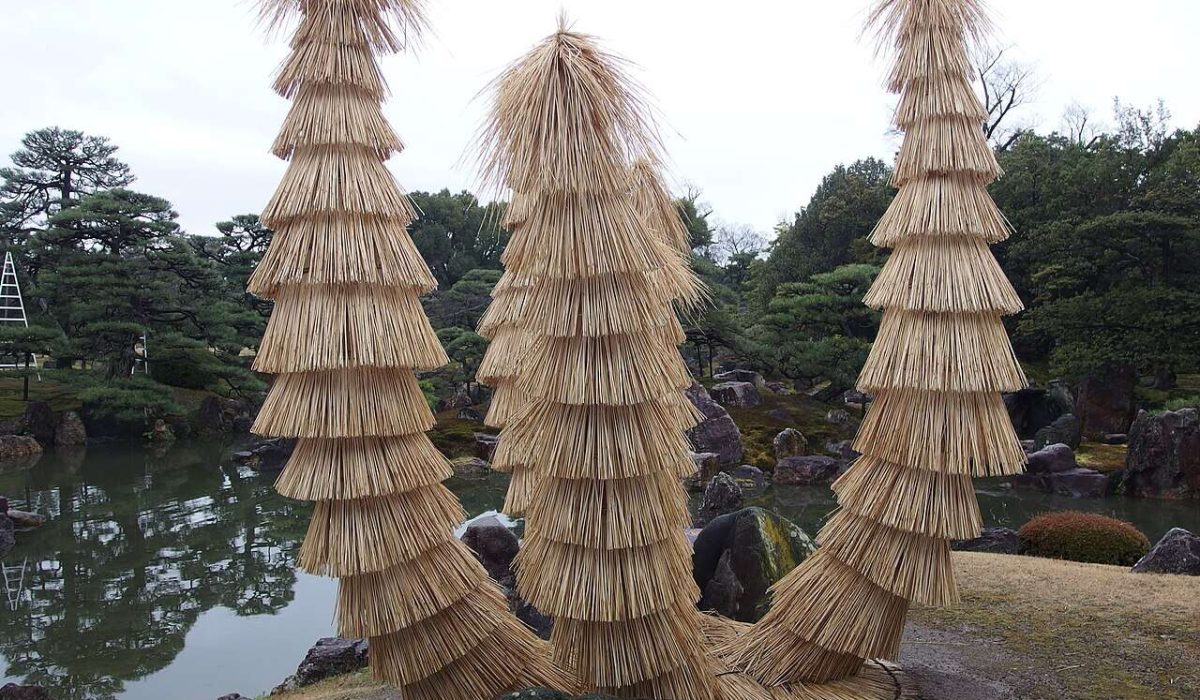
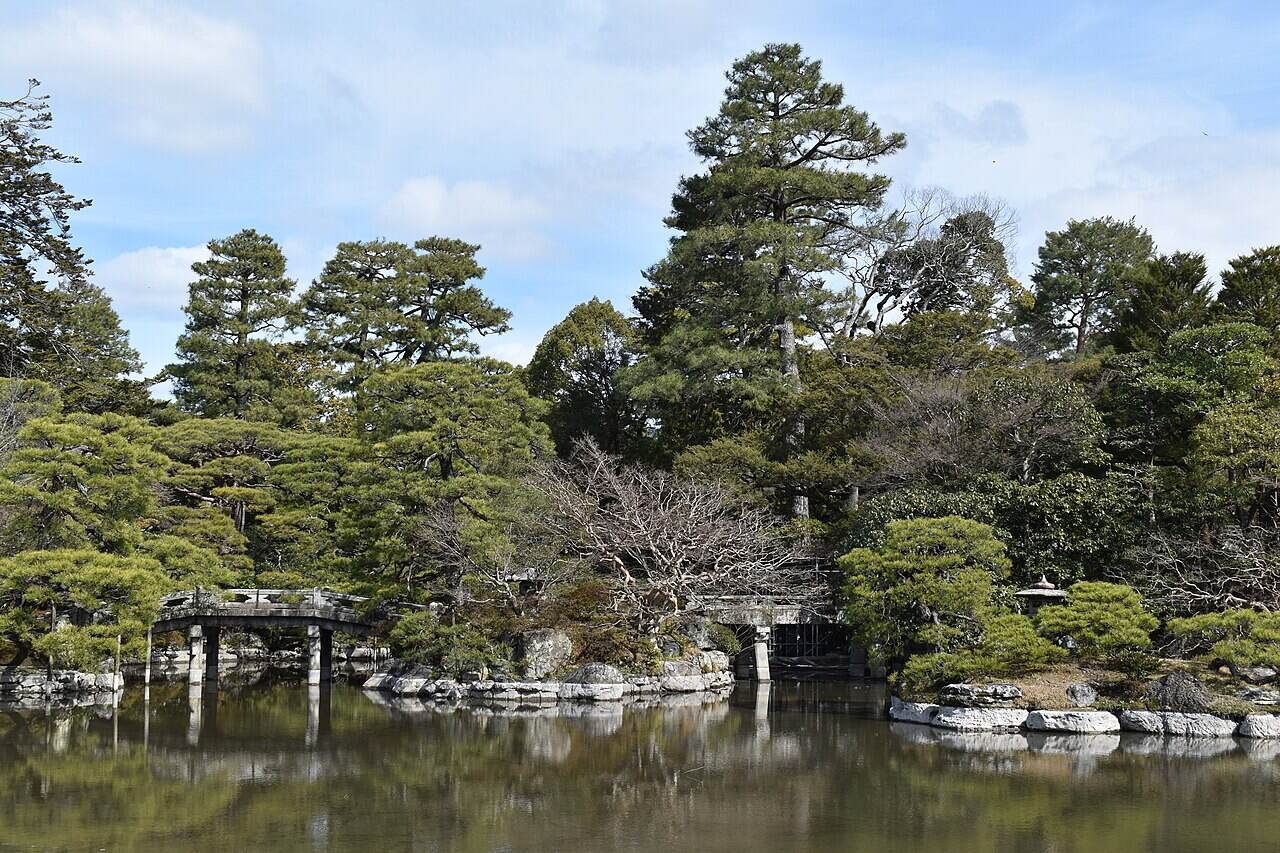
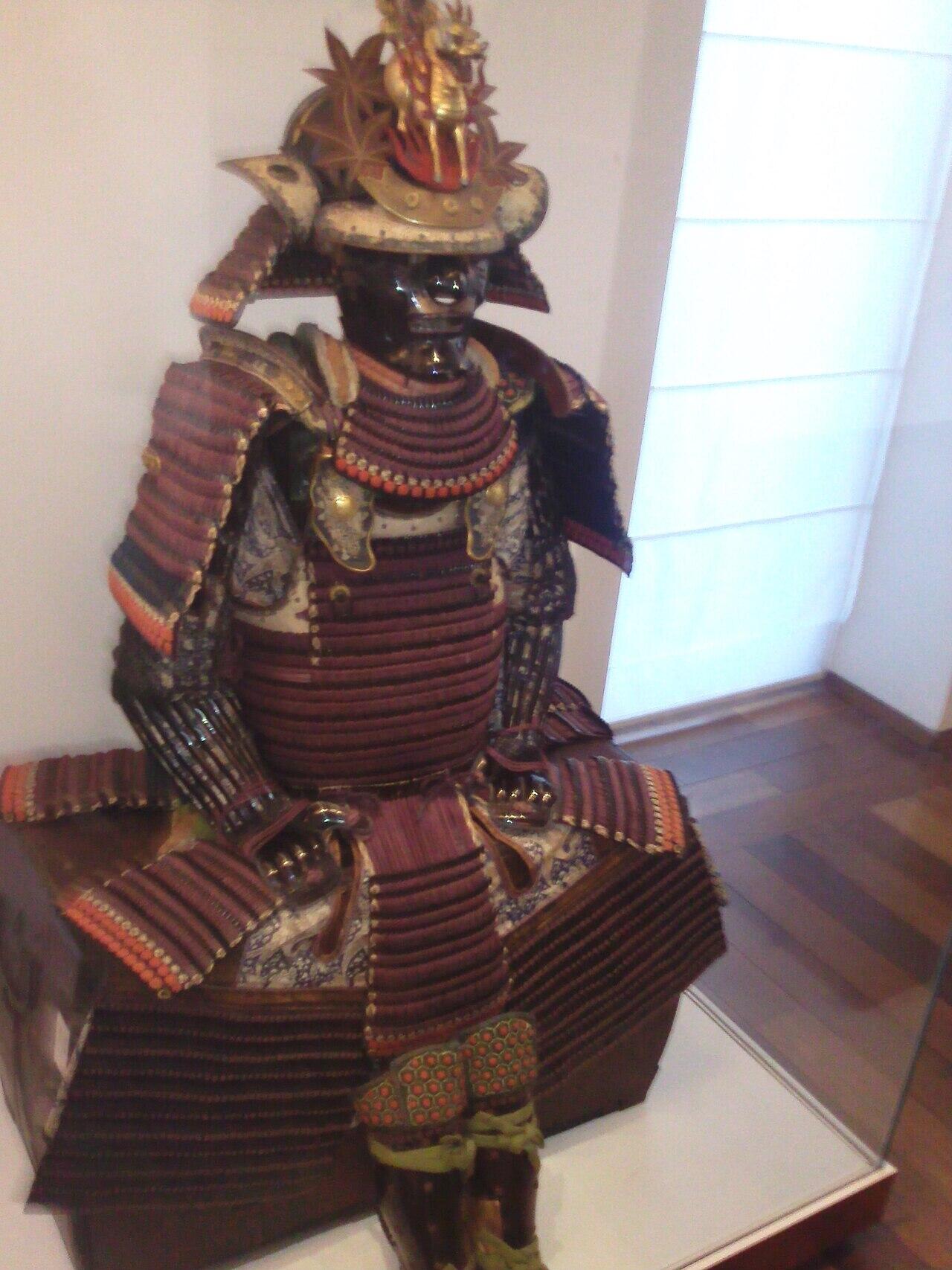
The setting borrows heavily from feudal Japan. Samurai, ninja, sumo, kabuki-style staging and ornate castle towns replace the tropical islands and navy bases of earlier sagas. Real castles such as Kyoto’s Nijō Castle, shown below, give a sense of the architecture that inspired this sort of look. The arc is fiction, of course, but the visual vocabulary of Edo-period Japan is easy to recognise.
Oden and the Power of a Long Setup
The most celebrated part of the arc is not a fight with a Yonko. It is the extended look at the life of Kozuki Oden, a reckless lord who treats rules as suggestions and still earns the loyalty of an entire country. His history connects the Straw Hats to the Roger Pirates, the Whitebeard Pirates and the secrets of the world’s history, so the flashback rewards readers who have followed the series for years.
Why does it work so well? First, Oden is introduced as a person before he becomes a symbol. His humour, bad table manners and stubborn pride make the later tragedy land. Second, the story lets the reader see the consequences of his choices on the people who survive him. Kin’emon, Kiku and the other retainers are not just supporting cast, they are the living result of one man’s decisions.
Luffy, Kaido and a More Tactical Hero
Luffy’s character has always been consistent: simple wants, huge loyalty, and an almost stubborn cheerfulness. Wano keeps that but makes him fight differently. Against opponents who have long out-powered him, he has to learn, adapt and combine abilities, rather than relying on raw stamina. The arc also introduces the most dramatic revelation about his power so far, which many fans describe as a tonal shift toward pure, playful freedom.
Kaido and Orochi serve very different narrative purposes. Kaido is the overwhelming force that justifies the scale of the alliance; Orochi is the political rot that explains why the country is suffering. Together they make the rebellion feel both physically dangerous and morally clear.

Supporting Characters Finally Get Space
A long-running series can leave side characters on the bench for years. Wano uses the crowded cast well. Trafalgar Law and Eustass Kid return with clearer motives. Zoro, Sanji, Nami, Robin, Usopp and the rest each get a moment tied to their own goals. Yamato adds a new voice in the debate about freedom, personal identity and inherited expectations, which echoes themes the series has always cared about.
The result is an arc that feels crowded but rarely confusing. Each character has a clear job in the plan, and when the story cuts between several fronts, you can usually tell what is at stake on each one.
What Wano Does Well and Where It Tests Patience
| Strength | Possible drawback |
|---|---|
| Strong payoff of long-planted storylines | Newcomers may miss references to earlier arcs |
| Clear visual identity and setting | Large cast can split the focus |
| Emotional flashback structure | Flashbacks pause the present-day action |
| High-stakes, tactical fights | The arc is very long to read or watch |
None of these drawbacks are fatal, but they are worth knowing before you start. If you are new to the series, our guide on how to start reading manga explains how to approach a very long series without feeling lost.
How Wano Raises the Bar for Shonen Storytelling
Many long-running shonen series lose focus as they grow. Wano shows the alternative: take the time to set up threads, then pay them off in one concentrated stretch. It treats the audience as people who have been paying attention. It also shows that a story with comic energy can carry heavy themes about oppression and sacrifice without losing its identity.
If you like this style of storytelling, you may also enjoy our look at the One Piece vs Naruto comparison, or our list of anti-hero characters in manga, which explores another way stories handle moral complexity. For background on the series itself, the One Piece article on Wikipedia gives a neutral overview.
Frequently Asked Questions
Do I need to read the whole series before the Wano arc?
You can technically start anywhere, but Wano works best when you know the Straw Hat crew and the earlier Yonko storylines. Reading at least up to the Dressrosa and Whole Cake Island arcs gives you the context for most references.
Is Wano a good arc for new viewers?
It is a satisfying arc, but it is a poor starting point. The emotional payoffs rely on years of buildup, so newcomers will enjoy it far more after the earlier arcs.
Who are the main villains in Wano?
Kaido, one of the strongest pirates in the series, and Orochi, the shogun who rules Wano with his support, are the central antagonists.
Is the setting based on a real place?
Wano is fictional, but it draws on the look and culture of feudal Japan, including samurai, castles and traditional festivals.
Why do fans rate Oden’s story so highly?
It ties together some of the biggest mysteries in the series while giving one memorable character a complete, emotional arc of his own.
Final Thoughts
The One Piece Wano arc is not flawless, and its length can be demanding. But it shows what long-form shonen can do when the author trusts the audience: build characters slowly, plant threads early, and deliver emotional payoffs that feel earned. If you have been wondering whether One Piece is still worth following, Wano is a strong answer.