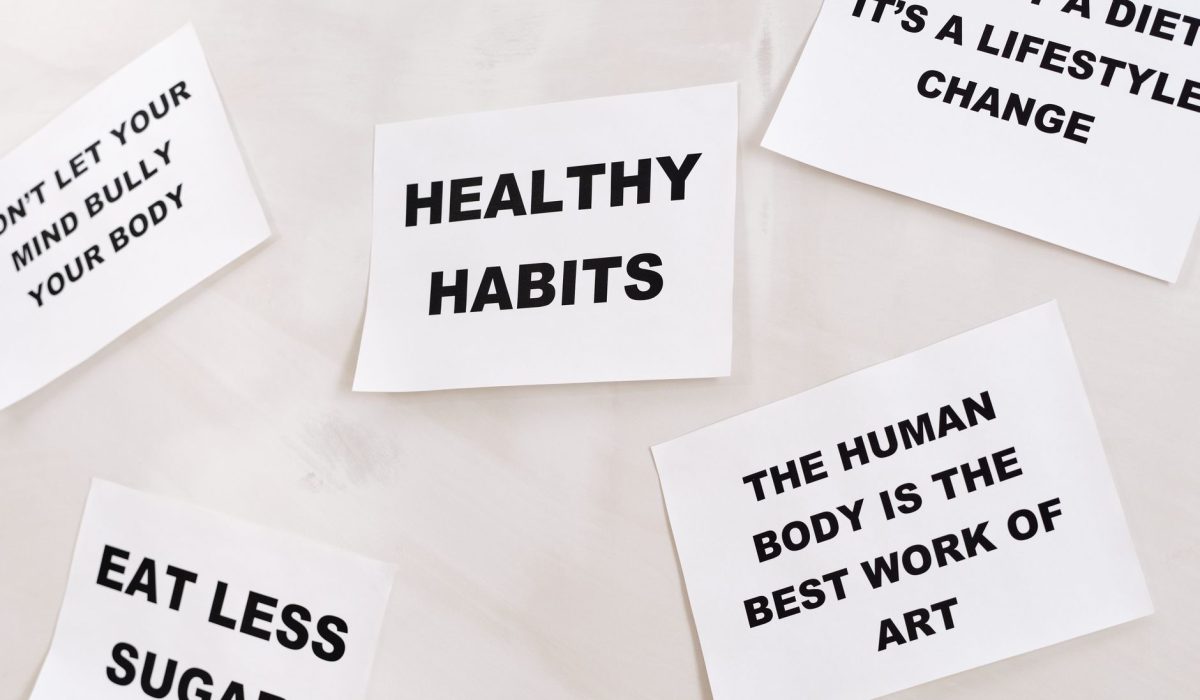
Making healthy lifestyle changes can feel overwhelming, but it’s actually quite manageable. I’ve found that small, step-by-step changes often work better than trying to overhaul everything at once. From my experience, gradual tweaks tend to create lasting habits, leading to improved health down the road. Let’s look into why starting small can lead to big wins in your overall well-being.
Many times, folks aim for drastic lifestyle shifts, thinking they’ll notice quick results. But that often doesn’t work out. The real science backs the idea that our bodies and minds prefer gradual changes. Let’s unpack why massive adjustments can fail, along with tips on making healthier habits stick.
Why Big Changes Fail
Big lifestyle shifts frequently fall apart under pressure. You might kick things off with tons of enthusiasm, but before long, it can become overwhelming. The stress of changing everything at once leads to burnout and frustration, which often results in dropping new habits. Many studies suggest that while people might sustain drastic changes temporarily, keeping them over the long haul is a real struggle.
When pushing for rapid changes, many tend to ignore the need to understand their current habits. This lack of awareness makes changes feel forced. Honestly, big shifts often don’t take into account individual differences, which can make them ineffective. Instead, focusing on small, manageable changes helps build confidence and adaptability over time. Plus, tweaking as you go is essential for lasting success.
66 Days to Build a Habit
A significant study published in the European Journal of Social Psychology found that it takes about 66 days to form a new habit. This means that simply attempting to make a large change isn’t enough; you’ve got to allow time for it to become routine. By concentrating on smaller, achievable changes first, you can gradually work towards lasting goals.
When I set out to develop a new habit, I like to lay a solid foundation. For instance, if your goal is to get fit, instead of diving into a daily hour-long workout, why not start with a quick 20-minute walk? This makes the task much less intimidating and aligns with the CDC’s recommendation for at least 150 minutes of moderate activity each week. Once walking becomes a routine, you can ramp up the intensity or increase the duration.
Four Essential Changes to Prioritize
Making small shifts can lead to significant health improvements. Here are four key healthy lifestyle changes to focus on:
1. Daily Walking: A 20-minute walkthrough can reduce your risk of premature death by about 30%, as per the World Health Organization. It’s an easy change that can be done anywhere.
2. Upgrade Your Diet: Many American diets consist of around 58% ultra-processed foods. Start switching these out with whole foods. Even adding just one or two healthier meals each week can kick off positive change.
3. Focus on Sleep: Aim for at least seven hours of sleep each night. Lack of sleep is linked to a 13% higher mortality risk. Simple changes, like establishing a regular bedtime, can work wonders.
4. Try the Mediterranean Diet: This eating plan is often associated with a 25% lower risk of heart disease. Gradually include more fruits, veggies, whole grains, and healthy fats into your meals.
These changes are easy to implement and can yield significant benefits when combined.
Tracking Progress the Right Way
Tracking your progress is key, but it’s all about finding a balance. Keep it straightforward; consider using a journal or an app to log your daily activities. The goal is to stay motivated and accountable without fixating on every detail.
I really like the idea of behavior stacking, which James Clear discusses in “Atomic Habits.” This method involves linking a new habit to one you already do. For example, if you want to start walking for 20 minutes, do it right after you finish your morning coffee. This helps reinforce new behaviors by connecting them to existing routines.
Remember, perfection isn’t the goal—progress is. Celebrate every win, however small, and adapt as needed. Thinking about what works and what doesn’t can lead to smart adjustments, keeping you on track with your healthy lifestyle changes.
FAQs
How long does it take to form a healthy habit?
Typically, it takes around 66 days to form a healthy habit, but this can vary based on individual circumstances and the nature of the change.
What is the single most impactful healthy lifestyle change?
Regular physical activity, like a daily 20-minute walk, is often considered the most impactful because of its significant health benefits and reduced mortality risks.
Can small changes really make a difference to long-term health?
Definitely. Small, consistent changes can lead to substantial long-term health improvements, helping to build sustainable habits for better overall well-being.