Black movies of the 90s changed who got to make films and whose stories reached theaters. After Boyz n the Hood arrived in 1991, studios saw that Black-led films could find large audiences, and a wave of young directors, writers and actors followed. This guide explains why black movies 90s audiences still talk about mattered, which titles and filmmakers defined the decade, and how their influence shows up in cinema today.
Key takeaways
- John Singleton’s Boyz n the Hood (1991) opened the decade and earned him an Oscar nomination for directing.
- The decade covered many genres: drama, comedy, romance, biography and crime.
- Many of the directors were in their twenties and made their debut features.
- Later filmmakers and actors continue to cite these films as inspiration.
Why Black Movies 90s Fans Remember Still Matter
Before the 1990s, studios made relatively few films about Black life, and fewer still were directed by Black filmmakers. Spike Lee had already shown in the 1980s that independent work could reach audiences, with Do the Right Thing (1989) as a landmark. The early 90s took that further, putting Black directors in charge of larger productions and giving them room to tell stories about neighborhoods, families and ambition from the inside.
The results were commercially successful enough that studios kept investing, even if the opportunities were never as plentiful as they should have been. For many viewers, this was the first time they saw their own communities treated as the center of a major film rather than as a side note.
Key Films That Defined the Era
Boyz n the Hood (1991) follows three friends growing up in South Central Los Angeles and is often the first title people name when they think of the decade. Its writer-director, John Singleton, was 24 when he was nominated for the Academy Award for Best Director, making him the youngest person nominated in that category at the time. You can read more about the film on its Wikipedia page.
Other landmark releases included:
- Malcolm X (1992): Spike Lee’s long biographical epic, with Denzel Washington in the title role.
- Menace II Society (1993): the Hughes Brothers’ debut, a hard-edged crime drama.
- Poetic Justice (1993): Singleton’s follow-up, a road story centered on poetry and relationships.
- Waiting to Exhale (1995): directed by Forest Whitaker and focused on four women and their friendships.
- Friday (1995): a comedy by F. Gary Gray that became a long-running franchise.
- Set It Off (1996): a heist drama led by four women.
- Love Jones (1997): a romance that treated Black professionals and artists as ordinary romantic leads.
Directors Who Shaped the Decade
Any list of the decade’s key directors starts with a mix of veterans and newcomers, and the balance between them gave the period its range.
Spike Lee was already established, and Malcolm X and Crooklyn (1994) widened his reach. Singleton, the Hughes Brothers, F. Gary Gray, Forest Whitaker and Theodore Witcher were newer voices, many of them directing their first or second feature. That youth shows in the films: they have energy, strong points of view and little interest in softening their subject matter for outside audiences.
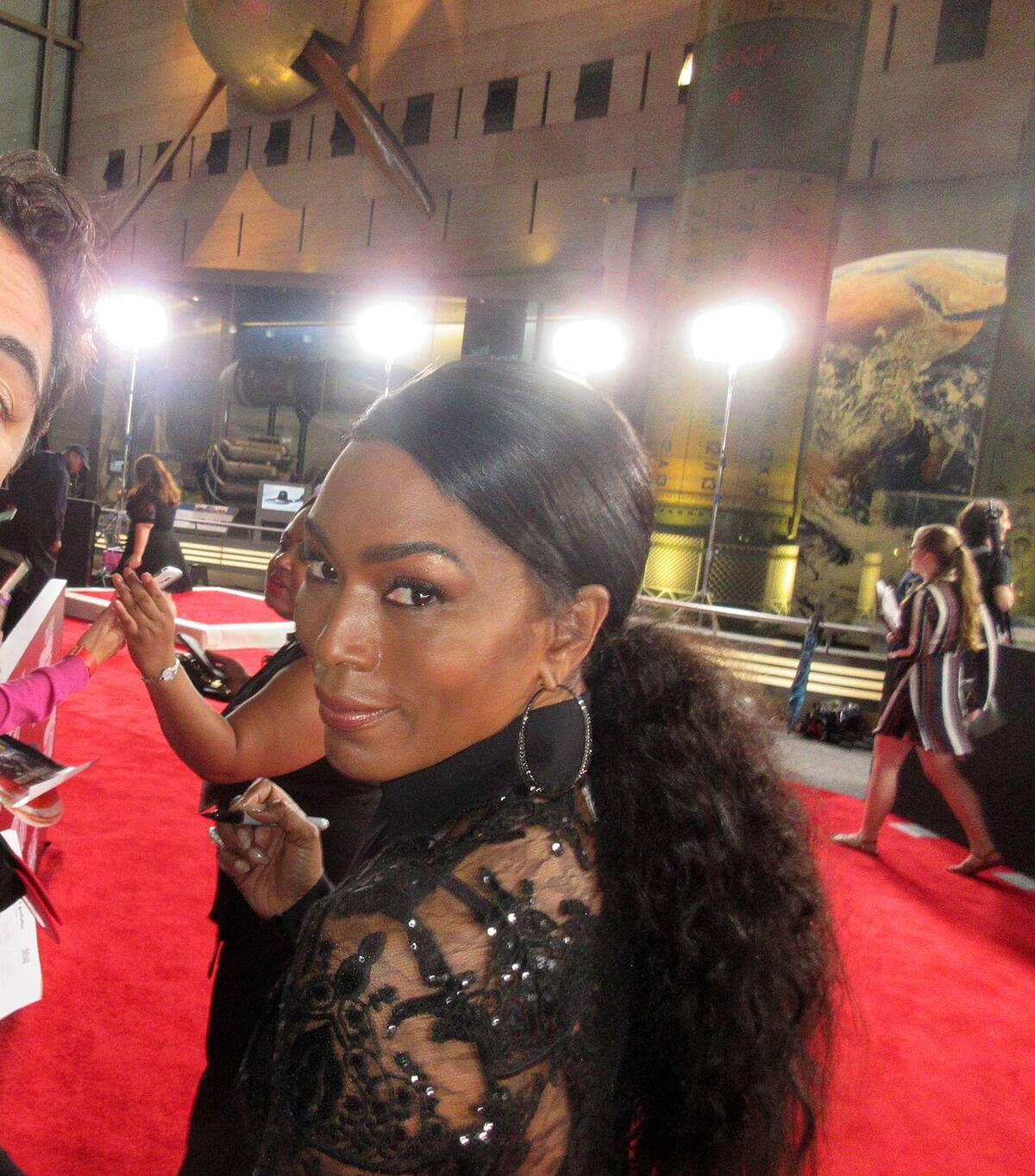
Actors made just as much of a mark. Denzel Washington, Angela Bassett, Regina King, Ice Cube and others built careers that continued well beyond the decade, and several moved into directing and producing themselves.
Themes and Style
Black movies 90s viewers still rewatch covered a wide range, but a few threads recur:
- Community and place: neighborhoods are almost characters in their own right.
- Family: as a source of support and, sometimes, conflict.
- Identity: who defines you, and who gets to tell your story.
- Everyday life: comedies and romances showed ordinary experience as worthy of the screen.
Costume, production design and camera work also deserve attention. Many of these films used real neighborhoods as locations, which gave them a lived-in look that studio sets rarely match, and cinematographers often used warm, natural light to keep the focus on faces and conversation.
Music was a big part of the style. Hip-hop and R&B soundtracks were not an afterthought; they shaped the pacing and the marketing, and several soundtrack albums became hits in their own right.
The Legacy of 90s Black Cinema Today
Many filmmakers working now, including Ryan Coogler and Barry Jenkins, have spoken about earlier Black directors as inspiration. Their films tackle new subjects with newer tools and larger budgets, but the idea that specific, personal stories can connect widely goes back to this period.
Representation behind the camera is still a live discussion, and academic research groups and industry bodies track who is directing and producing. The 90s showed that viewers were there; the industry has been catching up since.
How to Explore 90s Black Cinema
A themed watchlist is the easiest way in. Pick one drama, one comedy and one romance, then compare how each handles setting, music and family. Local libraries, repertory cinemas and legitimate streaming services often program these titles during anniversaries and Black History Month, so check what is available near you.
- Start with Boyz n the Hood for the foundation of the decade.
- Move to Malcolm X for a look at a major historical figure on a large scale.
- Add a lighter title such as Friday to see the comedy side.
- Finish with Love Jones or Waiting to Exhale for the romantic and relationship dramas.
Some of these films contain strong violence and adult themes, so check age ratings first. If you enjoy film history, our article on how gore movies moved from grindhouse to mainstream traces another genre’s path, and the guide to recent movies worth your time has current picks. For the director’s story, see John Singleton’s biography.
Pairing a film with some background reading deepens the experience. Interviews, commentary tracks and festival Q&A recordings often explain how a scene was staged, how a tight budget shaped a choice, or how a cast rehearsed. Watching with friends and talking afterwards, much as audiences did in theaters, remains one of the best ways to appreciate how these films were received.
Frequently Asked Questions
What were the most important black movies of the 90s?
Frequently named titles include Boyz n the Hood, Malcolm X, Menace II Society, Waiting to Exhale, Friday and Set It Off.
Who directed Boyz n the Hood?
John Singleton wrote and directed it, and he was nominated for the Academy Award for Best Director for it at age 24.
Which actors defined the era?
Denzel Washington, Angela Bassett, Regina King, Ice Cube and many others had major roles during the decade.
Were all these films dramas?
No. The decade included comedies like Friday, romances like Love Jones, heist films and biographies.
How did these films influence later cinema?
They showed studios that Black-led stories could reach large audiences and inspired later directors to tell personal stories from their own communities.
Conclusion
The black movies 90s filmmakers created remain a reference point for American cinema. They opened doors, launched careers and proved the value of specific, honest storytelling. If you have not seen them, the titles above are a strong place to start.