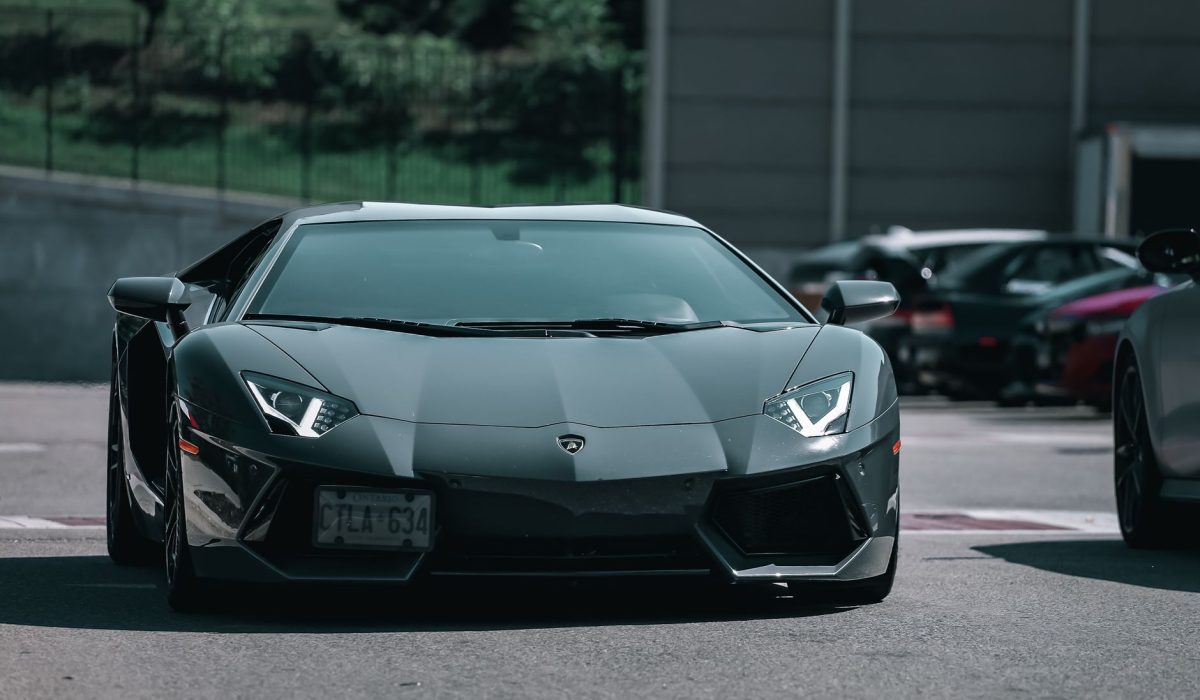
The billionaire lifestyle isn’t what the Instagram grid makes it look like. Yes, there are jets. But the actual spending patterns of the world’s wealthiest people are stranger, more boring, and more deliberate than any influencer version of wealth would suggest.
Forbes pegged the average billionaire net worth at $4.4 billion in 2024, with the top 10 collectively holding over $1.5 trillion. Numbers like that stop feeling real fast. What stays concrete is how they actually move money around day to day, and that story is a lot more interesting than “they buy expensive things.”
This piece weighs the public image of extreme wealth against what reported behavior actually shows. The gap is significant.
What Billionaires Actually Own
Private jets come first in any conversation about billionaire assets. Operating one costs between $500,000 and $3 million per year depending on aircraft type, flight hours, and crew, and that’s before you’ve even bought the thing. A Gulfstream G700 lists around $75 million new. Most serious billionaires own at least one, and some run two or three for different legs of travel.
Superyachts are the other obvious one. Jeff Bezos’s sailing yacht Koru cost roughly $500 million to build, before annual maintenance. The rough industry rule is that a yacht costs about 10% of its purchase price each year to run, so a $200 million vessel runs $20 million annually before you’ve served a single glass of anything on deck.
Real estate holdings tend to be broader than people realize. Multiple residences, ranches, and compounds across continents are common. But a surprising number of billionaires spend most of their nights in fairly ordinary places, close to work or family.
Daily Habits Behind the Wealth
Here’s where things get genuinely strange. Bill Gates reportedly spends over $1 million per year on books and education-related pursuits, not on a library building, just reading material, courses, and expert access. Warren Buffett still lives in the same Omaha house he bought in 1958 for $31,500. These aren’t PR stories; they’ve been verified repeatedly by people close to both men.
The habits most commonly reported among the ultra-wealthy lean toward controlling time rather than accumulating things. Long protected blocks of unscheduled thinking time, very few meetings, and heavy investment in personal staff who handle logistics. At the operational level, the billionaire lifestyle is largely about buying back attention.
Food and clothing spending is often lower than you’d expect. Mark Zuckerberg’s wardrobe is famously minimal, and a number of self-made billionaires have spoken publicly about eating cheap lunches by choice. It’s partly habit from earlier years and partly, I think, a genuine indifference to anything that doesn’t compound.
Hidden Costs of Extreme Wealth
Security is a cost most people don’t factor in. Personal protection at the billionaire level runs anywhere from $1 million to over $25 million per year depending on public profile and how many family members need coverage. Elon Musk’s security spend has been reported in the tens of millions. At that level of exposure, it’s not optional.
Legal and accounting infrastructure is another quiet drain. Complex international holdings require teams of lawyers, tax advisors, and family office staff. A mid-size family office managing around $500 million typically costs $2 million to $5 million annually to run, and that’s pure overhead before any investment fees. Larger ones cost considerably more.
Philanthropy is worth examining honestly. Despite the Giving Pledge, billionaires on average donate about 1.2% of their net worth to charity each year. In dollar terms that’s enormous, but as a proportion of wealth it’s modest. The pledges often involve long time horizons or estate plans rather than immediate transfers. I’m not saying that’s wrong, just that headline generosity and actual annual flow are different figures.
Where Billionaire Money Really Goes
The billionaire lifestyle, stripped of optics, is mostly a machine for compounding capital. The largest allocations almost always flow back into investments: private equity positions, venture bets, real estate development, and direct ownership of operating companies. Spending on consumption, even lavish consumption, is a rounding error against the investment base.
Compare that to someone sitting at $5 million net worth. That person likely has most of their wealth in a home and a retirement account, and lifestyle spending genuinely competes with wealth building. At the billionaire level those two things barely interact. A billionaire spending $30 million a year on lifestyle (which is a lot) is still spending less than 1% of a $4.4 billion fortune.
What actually separates the billionaire lifestyle from millionaire life isn’t the objects. It’s the complete removal of financial anxiety, and the ability to buy time, access, and optionality at a scale that changes what’s possible. A billionaire can acquire a company to solve a personal problem. That asymmetry compounds in ways that go well beyond what any yacht represents.
The assets are real and the spending is genuinely staggering in absolute numbers. But the defining feature of how billionaires live isn’t consumption. It’s control, and the relentless reinvestment of almost everything else.
FAQs
What does a billionaire spend money on daily?
Mostly staff, security, and logistics. Day-to-day consumption is often surprisingly modest; the big costs are infrastructure like private aviation, legal teams, and personal protection rather than daily purchases.
How much does a billionaire lifestyle cost yearly?
Estimates vary, but a fully loaded billionaire lifestyle with jets, yachts, security, and real estate easily runs $30 million to $100 million annually before any investment activity.
Do billionaires live differently from millionaires?
Yes, but the biggest difference is optionality and time control, not possessions. Many billionaires live fairly routine daily lives while having access to resources simply unavailable at millionaire scale.