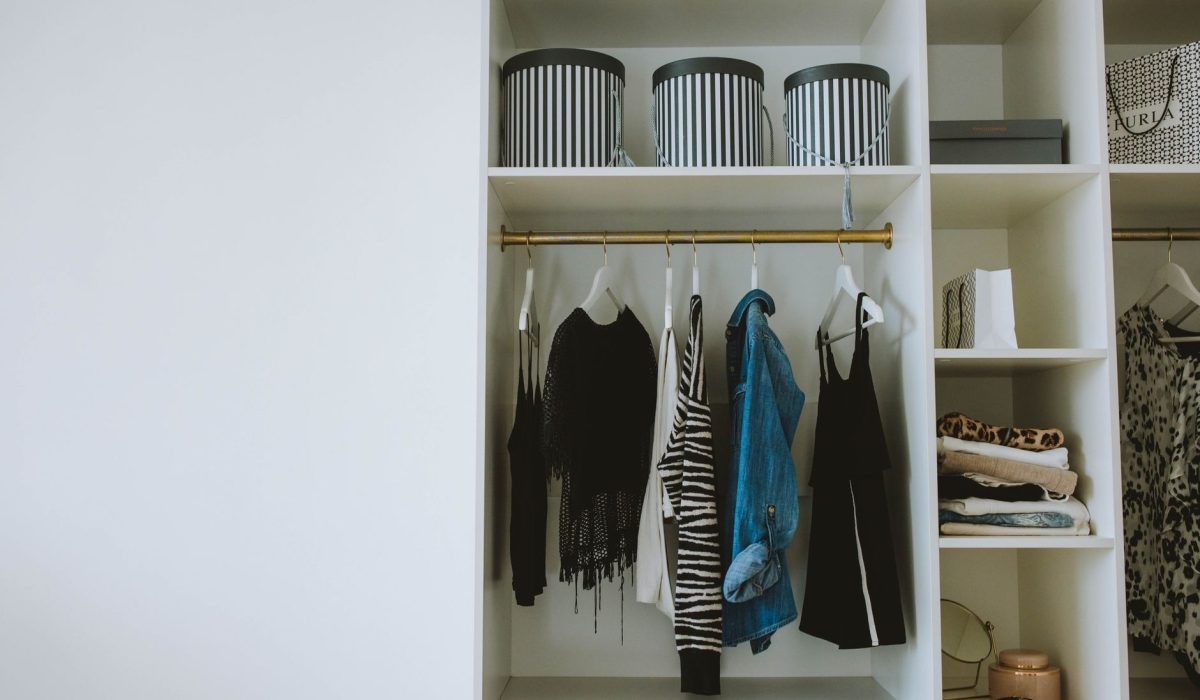
A wardrobe can shape the way a bedroom feels each morning. When clothes are difficult to reach, accessories disappear into drawers, or doors obstruct movement, even a room can become frustrating. Thoughtful planning prevents these problems and makes storage part of the room’s design, improving comfort every day.
Choosing smart storage furniture means considering personal habits, available space, and the finished interior. A suitable wardrobe should organise belongings while complementing the bedroom, not dominate it or obstruct comfortable daily movement.
Practical Wardrobe Planning For Organised Daily Living
A functional wardrobe begins with an assessment of what needs storing and how often each item is used. The layout should simplify daily routines.
1. Arrange Storage Around Personal Habits
Consider belongings used most frequently. Clothes, footwear, bags, and accessories should be arranged for easy access. A tailored layout reduces searching and keeps essentials accessible. Keep seasonal items higher and everyday garments within reach.
- Daily clothing: Keep frequently used garments accessible.
- Occasional items: Reserve upper shelves for seasonal belongings.
This arrangement makes organisation easier to maintain throughout busy weekday mornings.
2. Choose Door Styles That Suit The Room
Door movement affects bedroom comfort. Hinged shutters provide a full view but need clearance; sliding doors suit tighter rooms. Choose according to room dimensions and furniture placement.
- Sliding shutters: Useful where floor clearance is limited.
- Hinged shutters: Suitable when doors can open fully.
Measure the space before finalising the design and ensure careful professional installation.
3. Make Better Use Of Vertical Space
Floor-to-ceiling wardrobes use otherwise wasted wall height. Upper compartments hold luggage and seasonal items, while lower sections store everyday clothing. This reduces extra cupboards and creates a continuous visual line.
- Loft compartments: Store items used occasionally.
- Full-height units: Use available wall space efficiently.
Plan safe access to higher shelves and upper storage compartments.
4. Include Storage Beyond The Bedroom
Storage needs go beyond clothing. TV units, shoe cabinets, study units, and concealed cabinets can organise shared spaces. Consistent finishes help the home feel cohesive.
- Living areas: Use closed cabinets for electronics.
- Entry spaces: Consider compact shoe storage.
Make storage useful throughout the home without crowding other living rooms.
Design Details That Balance Wardrobe Function And Style
A wardrobe’s finish, proportions, and detailing influence the bedroom. Coordinate storage with the room’s character.
1. Select Finishes That Complement The Interior
Wardrobe finishes should complement flooring, walls, beds, and furniture. Light laminates brighten compact rooms; wood-grain textures add warmth. View matte, glossy, acrylic, and glass samples in the room’s lighting.
- Light tones: Help maintain an airy appearance.
- Wood textures: Add warmth and depth.
A coordinated palette creates a calmer and more unified bedroom design.
2. Plan Internal Compartments With Precision
Convenience depends as much on the interior as on the exterior. Hanging sections, shelves, drawers, and organisers help you store belongings efficiently. Their proportions should reflect the owner’s belongings.
- Hanging space: Allow suitable lengths for garments.
- Drawers and shelves: Organise folded clothes and accessories.
Review the internal plan before approving measurements and final fabrication.
3. Add Mirrors And Suitable Lighting
Mirrored shutters add dressing convenience and visual openness. Integrated lighting improves visibility inside deeper compartments. Position lights evenly to avoid glare.
- Mirror placement: Check reflection and available wall space.
- Wardrobe lighting: Consider integrated LEDs.
These details improve usability and visual balance.
4. Use Hardware That Supports Everyday Use
Handles, hinges, channels, and sliding mechanisms affect performance. Reliable fittings matter for frequently used doors and drawers. Match hardware to shutter weight; soft-close features reduce noise. A coordinated approach to smart storage furniture can also connect wardrobe design with the wider bedroom palette.
- Hinges and channels: Confirm quality and load suitability.
- Handles: Choose a comfortable grip.
Good fittings support durability, appearance, and quieter household use.
Custom Storage Choices For Different Home Interiors
The best solution depends on room size, ceiling height, needs, and budget. Customisation can use awkward corners effectively.
1. Adapt Designs For Compact Bedrooms
Small bedrooms need careful furniture placement. Sliding wardrobes and vertical storage can preserve floor area. Every compartment should serve a purpose and remain accessible.
- Measure bed clearance and door swings.
- Keep everyday items within easy reach.
A less crowded layout feels more spacious and easier to navigate daily.
2. Create Walk-In Storage Where Space Allows
A walk-in wardrobe separates dressing from sleeping areas. It can include rails, drawers, shelves, mirrors, and organisers. It needs adequate floor area, lighting, and ventilation. Plan circulation before adding cabinets.
- Separate zones for clothing and accessories.
- Light shelves and hanging areas adequately.
The layout should feel easy to navigate during everyday dressing routines.
3. Coordinate Wardrobes With Other Furniture
Bedrooms feel balanced when wardrobes, bedside tables, desks, and dressing units share compatible finishes. Integrated furniture reduces clutter and uses walls effectively. Check electrical points, windows, and switches before finalising.
- Match materials and finishes across furniture.
- Keep pathways clear around doors and drawers.
Coordination creates a thoughtfully designed, comfortable, and practical room.
4. Consider Materials, Maintenance, And Budget
Materials affect appearance, durability, and upkeep. Compare boards, laminates, veneers, finishes, and hardware before approving a quotation. Confirm installation scope, warranties, and maintenance guidance. Lower estimates may cover less.
- Compare itemised quotations and specifications.
- Confirm installation details and support.
Balance quality, budget, and intended use over the coming years.
Conclusion: Storage Solutions That Complete The Bedroom
A wardrobe does more than hide belongings. It smooths routines, keeps the bedroom organised, and contributes to interior style. Measure the room, list storage needs, compare finishes, and check fittings before choosing. These steps help turn an attractive idea into a practical feature.
For homeowners seeking wardrobe designers in KR Puram, WeDezine Studio offers interior design services including sliding wardrobes, walk-in closets, loft storage, TV units, study units, and custom cabinetry. Their approach combines functional layouts with suitable finishes and coordinated interiors. Discuss room dimensions, storage habits, and preferences with their team to explore a wardrobe that makes every inch work harder while giving the bedroom a polished finish.