DAX technology is a label that points to several different things, and the right meaning depends on your field. In advertising it usually refers to the Digital Audio Exchange, a platform for buying and selling audio ads programmatically. In finance, DAX is Germany’s flagship stock index. In analytics, DAX is the formula language used in tools such as Power BI. This article explains each meaning, focusing on audio advertising, and shows how they connect to wider data systems.
Key takeaways
- DAX in advertising means the Digital Audio Exchange, built to trade audio ad space automatically.
- The same three letters also name a German stock index and a data analysis formula language.
- Programmatic audio relies on data, real-time auctions and listener context rather than guesswork.
- Advertisers should set clear goals, frequency limits and measurement before buying.
- Always confirm which “DAX” a source is talking about before drawing conclusions.
The three meanings of DAX
DAX in audio advertising
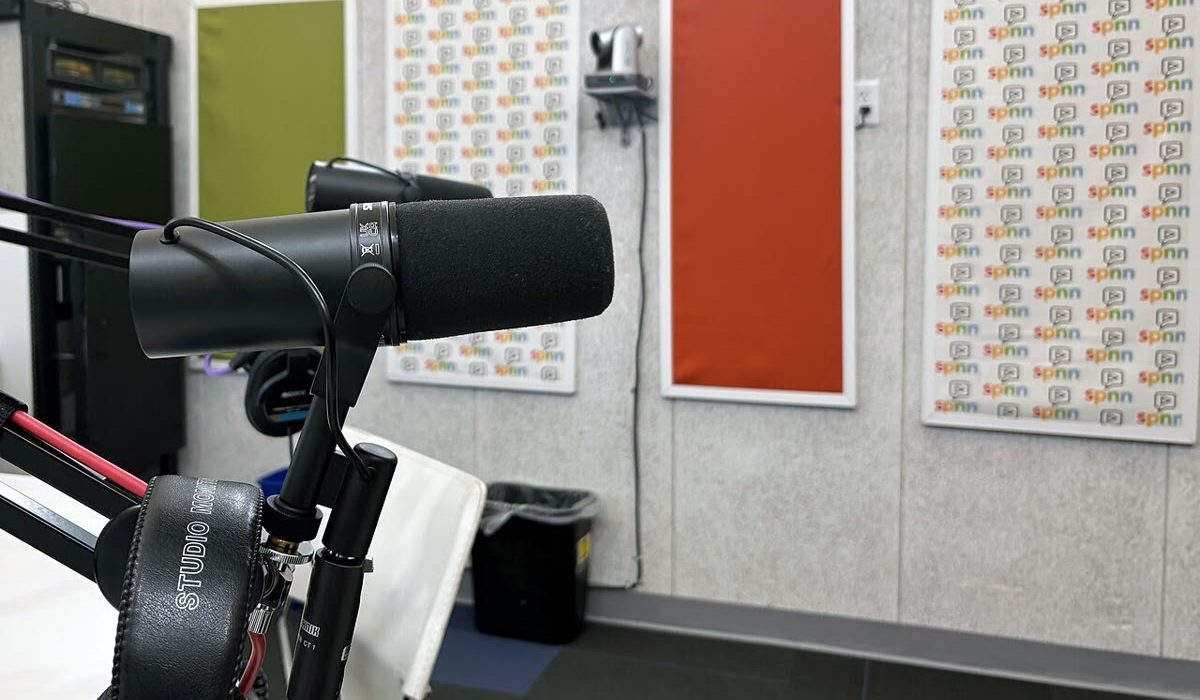
The Digital Audio Exchange, launched by the UK media group Global, was designed to let advertisers buy audio inventory such as digital radio, streaming music and podcasts through automated systems. Instead of negotiating each campaign by phone, buyers set targeting and budgets and the platform delivers the ads.
DAX in finance
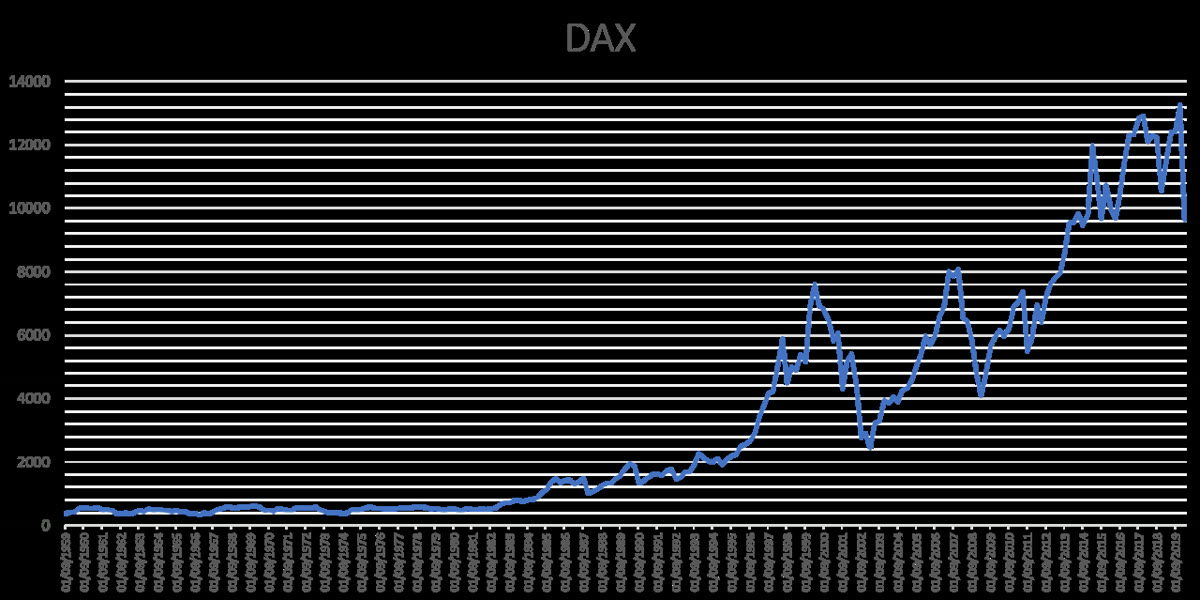
The DAX is the German stock market index tracking large companies listed on the Frankfurt Stock Exchange. It has nothing to do with advertising technology, although the shared name causes constant confusion in search results. You can read the official background on the DAX index overview.
DAX in data analysis
Data Analysis Expressions, usually shortened to DAX, is a formula language for building calculations in Microsoft Power BI, Excel’s data model and similar tools. Microsoft documents it at learn.microsoft.com/dax. Analysts use it to create measures such as year-to-date sales or customer retention.

How programmatic audio advertising works
DAX technology in advertising rests on programmatic buying, where software handles the purchase of ad space in real time. Programmatic buying means software handles the purchase of ad space in real time. In audio, the process generally follows these steps:
- A listener opens a streaming app, podcast or digital radio station.
- The publisher’s system signals that an ad break is available and shares non-personal context, such as the type of content and approximate location.
- Advertisers’ platforms evaluate the opportunity against their targeting rules and place bids within a fraction of a second.
- The winning ad plays, and the platform records delivery for reporting.
This approach lets small and large brands reach specific audiences without long contracts. It also gives publishers a way to sell leftover inventory efficiently.
Why audio is attractive to advertisers
DAX technology gives advertisers a route into audio, which is often consumed while people are busy doing something else. Audio is often consumed while people are busy doing something else: driving, cooking, exercising or working. That makes it a way to reach attention that screens cannot always capture. Smart speakers, podcasts and streaming services have also widened the formats available.
- Context targeting: match ads to the programme, mood or time of day.
- Creative flexibility: a script can be updated quickly and localised.
- Complementary reach: audio can support social, video and search campaigns.
Data systems behind the scenes
DAX technology, like any ad platform, depends on data infrastructure. Any programmatic system depends on data infrastructure: ad servers, bidding engines, measurement tools and reporting dashboards. Good data hygiene matters. Without consistent campaign naming, clean audience definitions and clear conversion tracking, reports become hard to trust.
This is where the analytics meaning of DAX becomes relevant. Marketing teams often pull campaign data into Power BI and use DAX measures to calculate cost per listen, frequency and incremental conversions across channels. Used together, the audio platform and the analytics tool help a team see what actually works.
For small teams, the broader lessons in technology in business for small companies apply directly: pick tools that solve a defined problem and train people to use them.
Privacy, brand safety and measurement
Advertising technology operates under privacy rules and industry standards. The IAB Tech Lab publishes technical standards for digital advertising, including guidance relevant to audio and measurement. When planning a campaign, ask your partner how they handle consent, what brand-safety controls exist and how delivery is verified.
Questions to ask before you buy
- Which publishers and formats are included?
- How are impressions counted and verified?
- Can I set frequency caps so listeners do not hear the same ad repeatedly?
- What reporting will I receive, and how fast?
Planning a first audio campaign
With DAX technology or any similar platform, begin with one objective. Begin with one objective, such as brand awareness or store visits. Write a short script of about 30 seconds with a single message and a clear call to action. Test two creative versions, set a modest budget and run for long enough to gather meaningful data. Review frequency, completion rates and the downstream results you care about, then adjust.
Think of audio as part of a mix. Combining it with search, social and email often performs better than any one channel alone. If sales growth is your goal, our piece on sales technology and AI shows how to connect marketing signals to revenue.
Where DAX technology may be heading
Expect continued growth in streaming, podcasts and connected devices, along with better measurement and more dynamic creative that adapts to context. Regulation and consumer expectations around privacy will keep shaping how targeting works, favouring contextual methods. We cannot predict exact market sizes, so treat precise forecasts with caution and focus on fundamentals: relevant content, honest measurement and respect for listeners.
Frequently asked questions
What does DAX stand for in advertising?
It stands for Digital Audio Exchange, a platform for buying and selling digital audio ad inventory programmatically.
Is DAX the same as the German stock index?
No. The stock index shares the name but is unrelated to audio advertising technology.
What is DAX in Power BI?
Data Analysis Expressions is a formula language used to create calculations and measures in Power BI and similar tools.
Is programmatic audio only for big brands?
No. Automated buying and flexible budgets make it accessible to smaller advertisers, although quality and reach vary by platform.
How do I measure audio ad success?
Track completion rate, reach, frequency and a business result such as visits or sign-ups, ideally compared against a control period.
Conclusion
DAX technology means different things in advertising, finance and analytics, so clarify which one you need. For marketers, the Digital Audio Exchange offers an efficient way to reach listeners when paired with clean data, careful measurement and respect for privacy.