
An abdominal belt after surgery is an elastic wrap that gives gentle compression and support to the stomach area while incisions heal. Many surgeons recommend one after procedures such as C-sections, hernia repairs or open abdominal operations, because it can make coughing, standing and moving around more comfortable. It is not right for everyone, so always follow your own surgeon’s instructions on whether to use one, when to start and how long to wear it.
Key takeaways
- An abdominal belt (also called a binder) offers light support, not treatment.
- Ask your surgeon first; some procedures need the area to stay uncompressed.
- It should feel snug, never tight enough to affect breathing or circulation.
- Check your skin and incision daily and keep the belt clean.
What Is an Abdominal Belt?
An abdominal belt, or abdominal binder, is a wide elastic band worn around the midsection. It spreads gentle pressure across the abdominal wall and usually closes with hook-and-loop (Velcro) straps, so you can adjust the fit as swelling changes.
Most models use breathable, stretchy fabric to stay comfortable during long hours of wear. Some have extra panels or a firmer back section, and they come in different widths and lengths, so sizing matters.

Surgeries Where an Abdominal Belt Is Commonly Used
Doctors differ in their habits, but a binder is commonly discussed for the following:
- C-section and hysterectomy: to support the lower abdomen during the first weeks.
- Hernia repair: to ease strain while the area settles.
- Open abdominal surgery (laparotomy): to support a longer midline incision.
- Cosmetic abdominal procedures such as a tummy tuck: where a compression garment is often part of the aftercare plan.
Even within one procedure, advice can vary. Your age, health, type of incision and the surgeon’s technique all play a part.
Potential Benefits of Wearing a Binder
Comfort when you move
Many people say the gentle pressure makes it less painful to stand up, walk or get in and out of bed. The belt can stabilize the area so the incision feels less pulled.
Support when coughing, sneezing or laughing
Pressing a pillow or your hands against the abdomen while you cough is a common tip. A belt can do something similar hands-free, which some people find reassuring.
Help with early walking
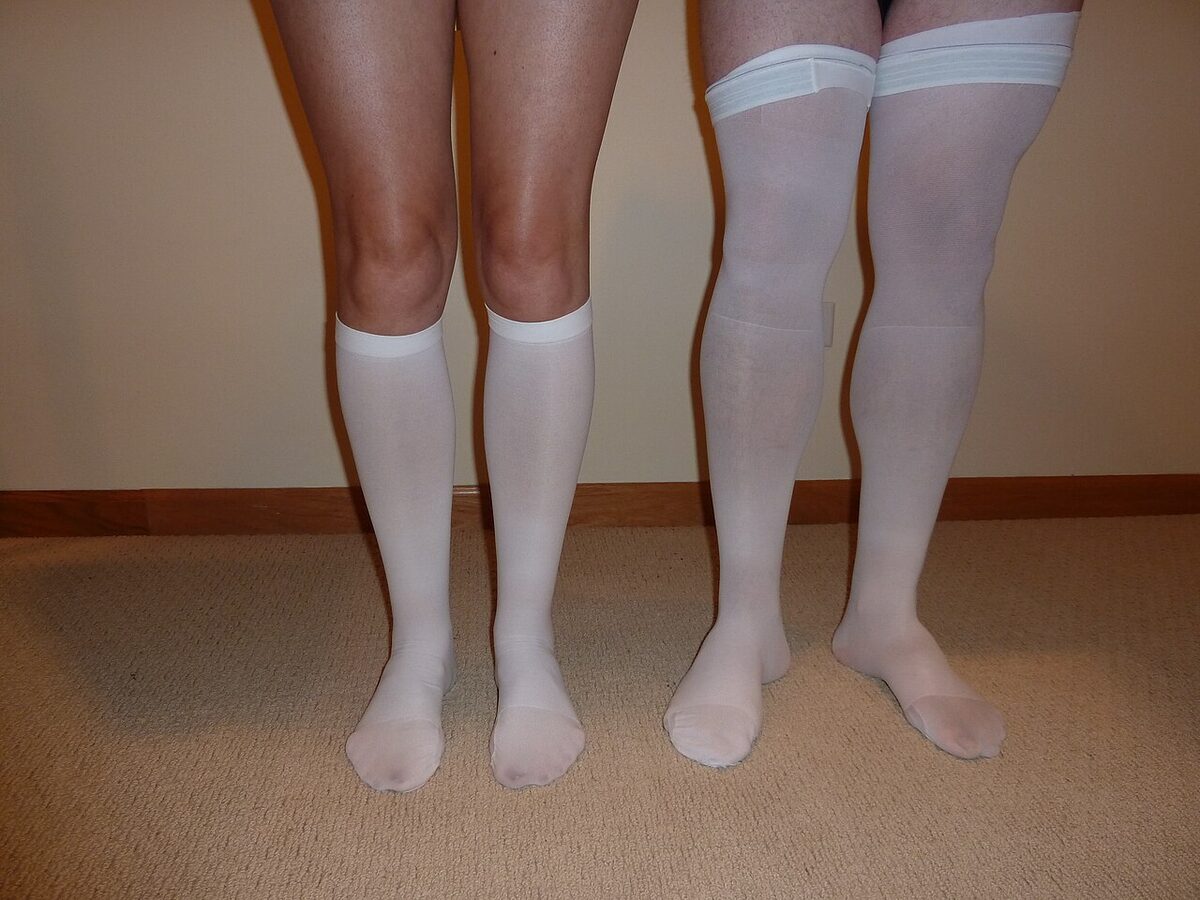
Gentle walking is often encouraged after surgery to help circulation. If a belt makes you more confident about moving, it may support that routine, though it is not a substitute for medical guidance. For an overview of blood-clot risks and prevention after surgery, ask your care team what applies to you.
A reminder to protect the area
Wearing the belt can also remind you to avoid heavy lifting and sudden twisting while you heal.
Important Considerations Before You Start
| Topic | What to know |
|---|---|
| Doctor approval | Some incisions or grafts should not be compressed. Ask before buying. |
| Start date | Some surgeons advise wearing it right away; others wait until a follow-up visit. |
| Wear time | Often during the day and activity, removed for rest, unless told otherwise. |
| Fit | Snug and supportive, never restricting breathing. |
| Skin care | Wear a clean cotton layer underneath and check the skin often. |
Fit and breathing
A belt that is too tight can make deep breathing harder and may put pressure on the wound. If you feel short of breath, numbness, tingling or increasing pain, loosen it and contact your care team.
Wound and skin safety
Keep the belt off bare skin where possible, and take it off at least once or twice a day to look at the incision, unless your surgeon has told you not to. Redness that spreads, warmth, swelling, unusual drainage or fever should be reported to your doctor promptly. A second belt lets you wash one while wearing the other.
How to Wear an Abdominal Belt After Surgery
- Lie down. Lie on your back with knees slightly bent and slide the belt underneath you.
- Position it. The top edge usually sits just below the ribs and the bottom edge covers the lower abdomen, but follow your surgeon’s guidance for placement.
- Fasten with even tension. Exhale gently and close the straps from the bottom upward.
- Check the fit. You should be able to breathe normally and slide a couple of fingers under the edge.
- Stand up carefully. Roll to your side first, and make sure the belt does not ride up or roll.

Choosing the Right Belt
Sizing is the first filter. Measure your waist and hips as the maker instructs, and if you are swollen, ask whether to size for the swelling or your usual measurements. Look for a width that covers the incision area without digging into the ribs or pelvis, soft edges that will not roll, and fastenings you can operate yourself. Natural or breathable fabrics help with sweat, and a smooth inner surface reduces rubbing. Wipe-clean or machine-washable models are easier to keep hygienic.
Price is not a reliable measure of quality. Ask your surgeon or pharmacist if they have a preferred style, because some hospitals supply a specific binder for certain procedures. If cost is a concern, check whether your insurer or health service covers it when prescribed.
Supporting Your Recovery Beyond the Belt
A belt is only one part of recovery. Rest, good nutrition, hydration, taking medicines as prescribed and attending follow-up visits matter more. If you need help at home, our guide to home health care options explains the kinds of services that exist, while small healthy lifestyle changes and a steady daily wellness routine can support healing over the longer term.
Frequently Asked Questions
Do I need an abdominal belt after every surgery?
No. Whether it helps depends on the procedure and your surgeon’s preference, so ask before buying one.
How long should I wear a binder?
The length varies from days to several weeks. Your surgeon will give you a schedule based on your procedure and healing.
Can I sleep in it?
Many surgeons advise removing it while resting, but some recommend wearing it at night. Follow your own instructions.
Is it normal for the belt to feel uncomfortable?
Mild snugness is normal. Pain, trouble breathing, numbness or skin irritation are not, and you should loosen it and call your care team.
Can a belt replace other recovery advice?
No. It supports comfort only. Always keep taking your medicines and attending check-ups as directed.
Conclusion
Used sensibly, an abdominal belt after surgery can add comfort and confidence during the early days of healing. Get your surgeon’s approval, choose a good fit, keep the skin clean and watch for warning signs. When in doubt, ask your medical team before you rely on any garment.