Southeast Asia travel does not have to mean crowded beaches and the same famous temples. Each country in the region has quieter towns, caves, rivers and islands that reward travellers who plan a little differently. This guide highlights hidden gems in Vietnam, Laos, Cambodia, Thailand and Indonesia, then explains when to go, how to get around and how to stay safe and respectful.
Key takeaways
- Go slightly off the main route: smaller towns often offer better value and fewer crowds.
- The best time to visit changes by country and coast because monsoon seasons differ.
- Trains, buses and short domestic flights connect most regions cheaply.
- Check entry rules and safety advisories for each country close to departure.
- Respect local customs, dress codes at temples and the environment.
What “hidden gem” means in Southeast Asia
A hidden gem is not necessarily undiscovered. It is a place that gets fewer visitors than its charm deserves, or one that is best experienced in a way most people skip, such as at dawn or by bicycle. Even famous places can feel secret if you visit outside peak hours. Keep that mindset and you will find quiet moments almost anywhere.
Vietnam: beyond the big three
Southeast Asia travel in Vietnam usually means Hanoi, Hoi An and Ho Chi Minh City. Most itineraries run Hanoi, Hoi An and Ho Chi Minh City, and for good reason. Add depth with these stops:
- Phong Nha: a national park region known for enormous caves, rivers and rural scenery. The area is a UNESCO World Heritage Site.
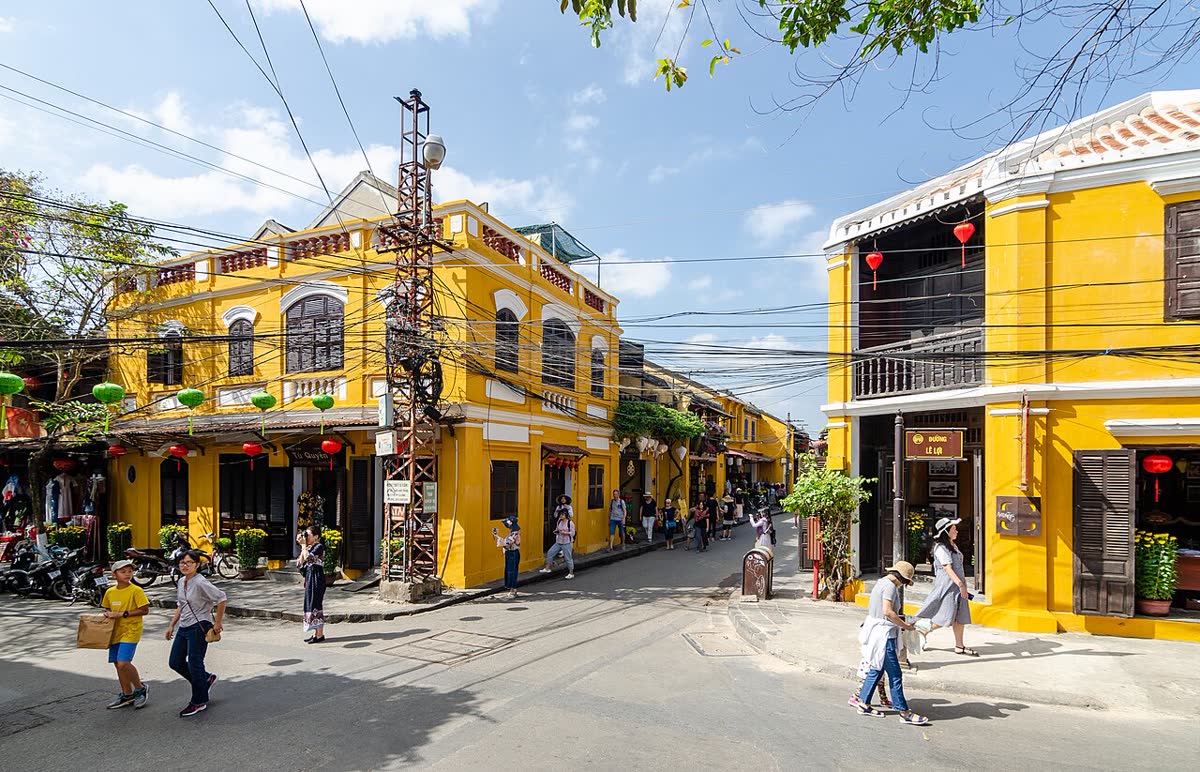
- Hoi An at dawn: the ancient town is popular by day, but early mornings are peaceful and ideal for photos.
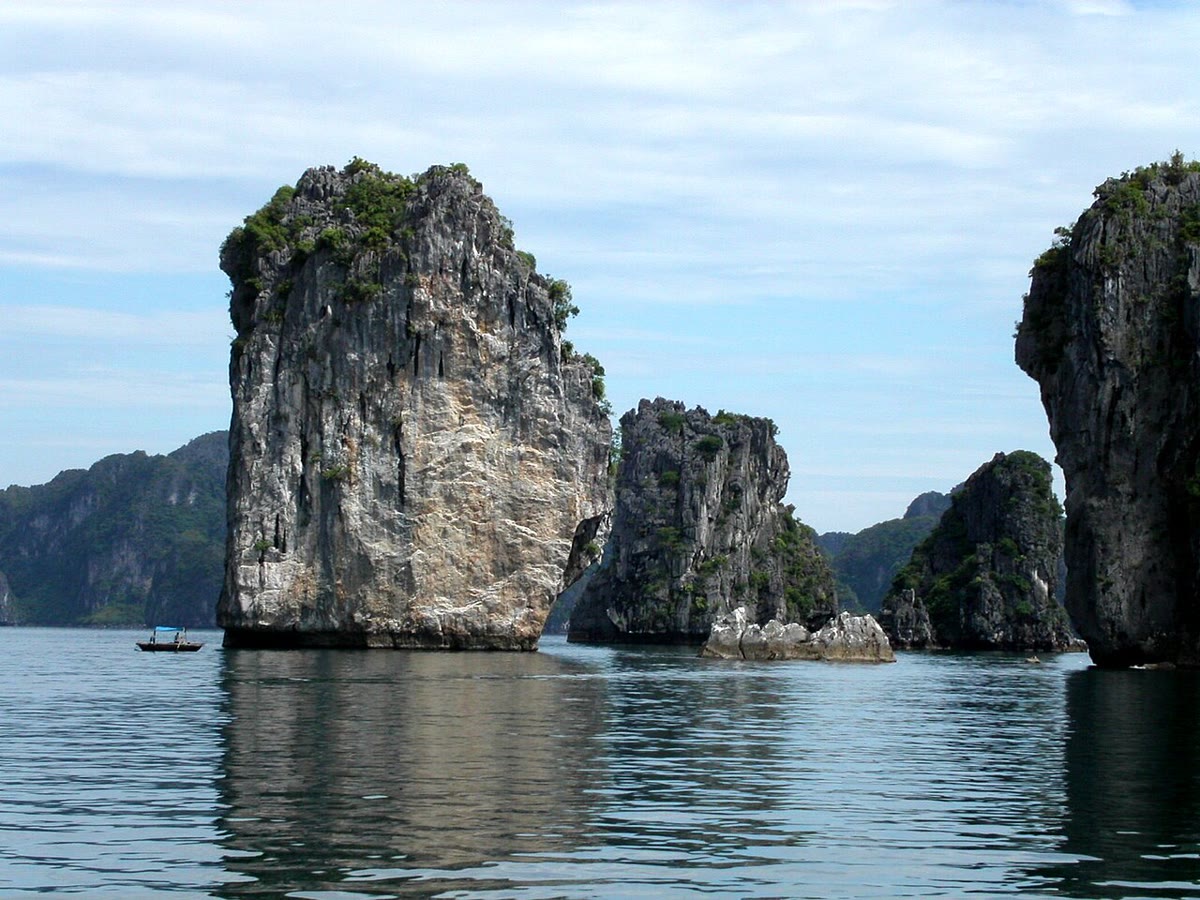
- Ha Long Bay’s quieter corners: choose smaller boats or nearby areas rather than the busiest routes to get a calmer experience.
Laos: slow travel on the Mekong
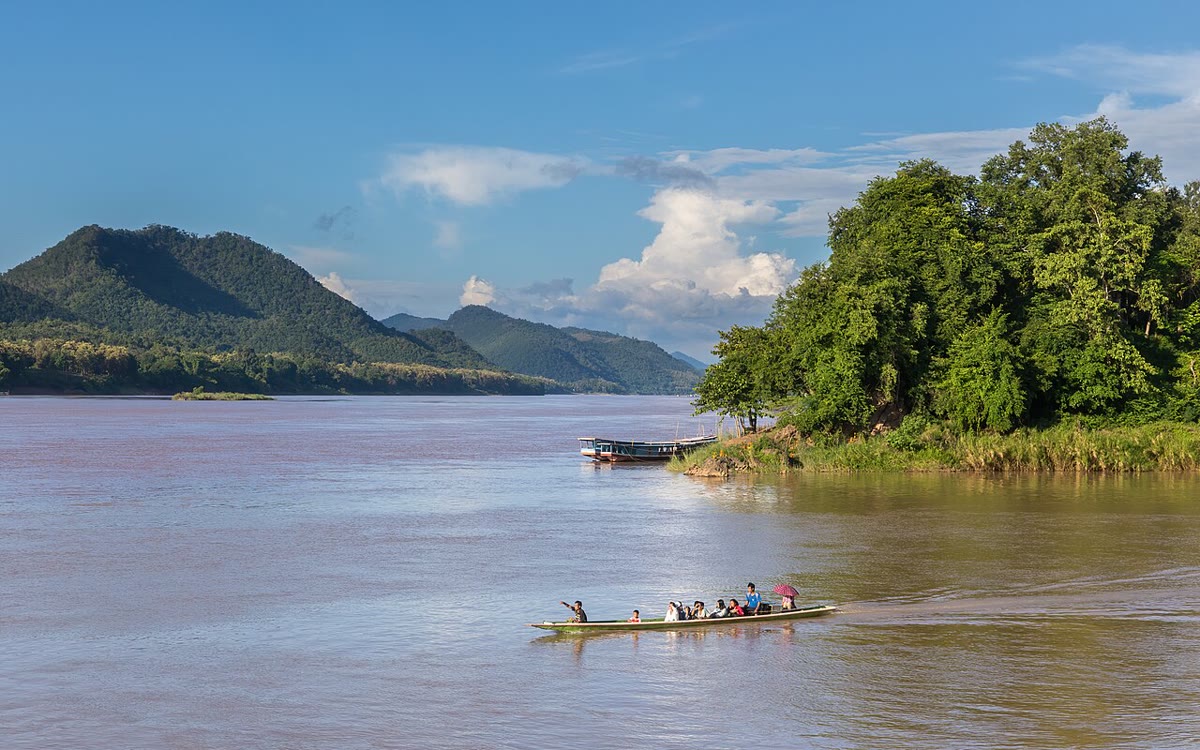
Laos moves at a gentler pace than its neighbours. Luang Prabang, set between the Mekong and Nam Khan rivers, is the best-known destination, yet it feels small and calm. Rise early to watch the traditional alms-giving ceremony respectfully from a distance, climb Mount Phou Si for sunset and take a boat to waterfalls and caves nearby. Further south, the Bolaven Plateau offers coffee farms and waterfalls, and the Four Thousand Islands region invites slow river days. Roads can be slow, so plan extra time for bus journeys.
Cambodia: temples and seaside calm
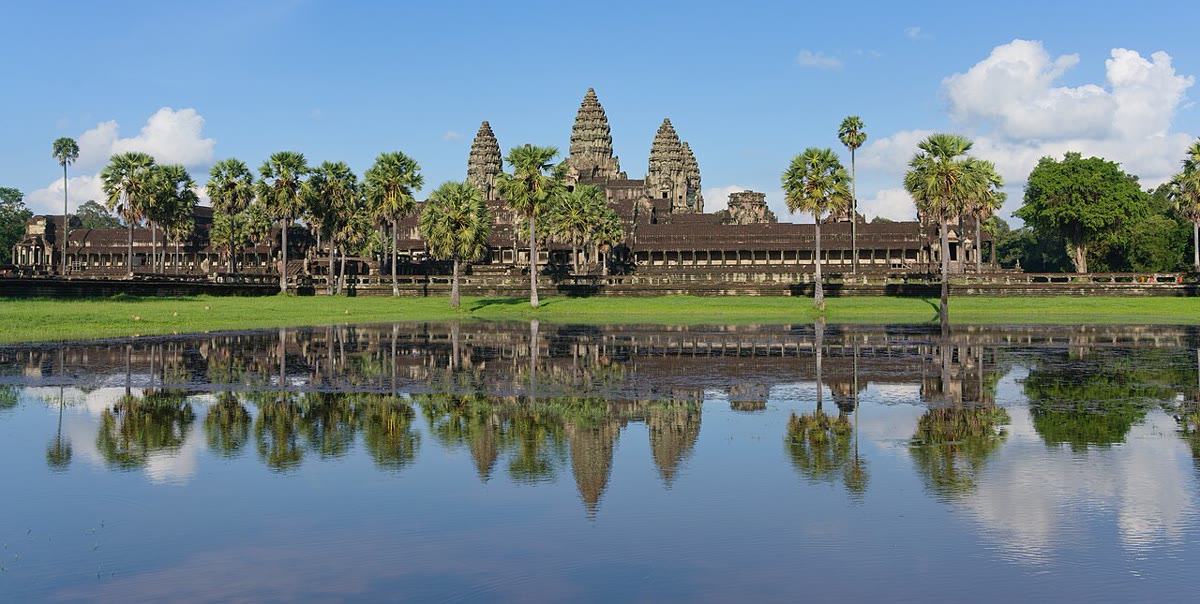
Angkor draws large crowds, but you can reduce the pressure by visiting smaller temples away from the main complex and by timing your visit for early morning or late afternoon. For a change of pace, head to Kampot and Kep on the south coast, known for riverside guesthouses, pepper plantations and fresh seafood. Battambang offers colonial architecture and countryside cycling. The UNESCO page for Angkor explains the scale of the site and conservation rules.
Thailand: northern hills and quiet islands
Thailand’s famous islands can be busy, but the country has many calmer options. Northern Thailand around Chiang Mai has temples, mountain villages and cooking classes; day trips to smaller towns and national parks reveal a more rural side. On the coasts, look at lesser-visited islands and consider shoulder seasons for fewer people. Always follow park rules and choose ethical wildlife experiences that do not involve riding or performing animals.
Indonesia: islands beyond Bali
Bali remains popular, but you can find quieter rice terraces, mountain villages and east-coast beaches there if you travel outside peak hours. For a different experience, consider islands such as Lombok, Flores or Sumba, where landscapes, culture and diving differ widely. Distances are large and ferries or flights can be weather-dependent, so build slack into your schedule. If your route includes the Philippines as well, read our companion guide to hidden gems across the Philippines’ islands.
When to go: monsoon and seasons
Southeast Asia travel seasons differ by country. There is no single best month for the whole region. Much of mainland Southeast Asia has a cooler, drier season roughly from November to February, a hot period before the rains and a wet season in the middle of the year. Coasts can differ: the Gulf of Thailand and the Andaman side have different rainy periods, and central Vietnam has its own typhoon season later in the year. Check regional weather averages for your exact dates, and remember that shoulder seasons often mean lower prices. If you are travelling at the cooler end of the year, our list of unexpected winter destinations may inspire a side trip.
Getting around and budgeting
Southeast Asia travel is friendly to independent travellers. Southeast Asia is friendly to independent travellers. Night trains and buses connect many towns, budget airlines link capitals, and ride-hailing apps work in most cities. Daily costs vary widely by country and style, but street food and guesthouses can keep spending low. For ideas on stretching a budget, see our guide to cheap places to travel under $50 a day.
- Carry small bills for markets and local transport.
- Use official taxis, metered rides or ride-hailing apps.
- Book popular boat trips and sleeper trains early in busy seasons.
- Download offline maps and keep copies of your documents.
Safety, health and respect
Check government advice before you go, such as the U.S. State Department travel advisories or your own country’s equivalent. Our explainer on travel alert levels shows how to read them. Speak to a doctor or travel clinic about vaccines and mosquito protection, and take out travel insurance. Dress modestly at temples, remove shoes where required, avoid touching heads and never point your feet at Buddha images.
Sample two-week hidden-gems route
This Southeast Asia travel route skips only a few big names. Fly into Hanoi, take the train south to Phong Nha, then continue to Hoi An. Cross to Laos for Luang Prabang, then fly to Siem Reap for temples before relaxing on the Cambodian coast at Kampot. This route skips only a few of the big names, mixes culture, nature and relaxation, and keeps flights to a minimum.
Frequently asked questions
What is the best time for Southeast Asia travel?
For the mainland, the cooler dry season from about November to February is popular. Check each country and coast, since rainy seasons differ.
Is Southeast Asia safe for solo travellers?
Many solo travellers enjoy it. Use standard precautions, watch for scams and keep valuables secure.
How many countries can I visit in two weeks?
Two or three is comfortable. Moving every day wastes time and money.
Do I need visas?
Requirements vary by nationality and country, and change often. Check official government sites before booking.
How do I avoid crowds?
Visit early or late in the day, choose shoulder seasons and add lesser-known towns to your route.
Conclusion
Southeast Asia travel rewards curiosity. Add a cave, a river town or a quiet coast to your route, time your trip around the weather and travel respectfully. The hidden gems are often just a short detour from the main trail.