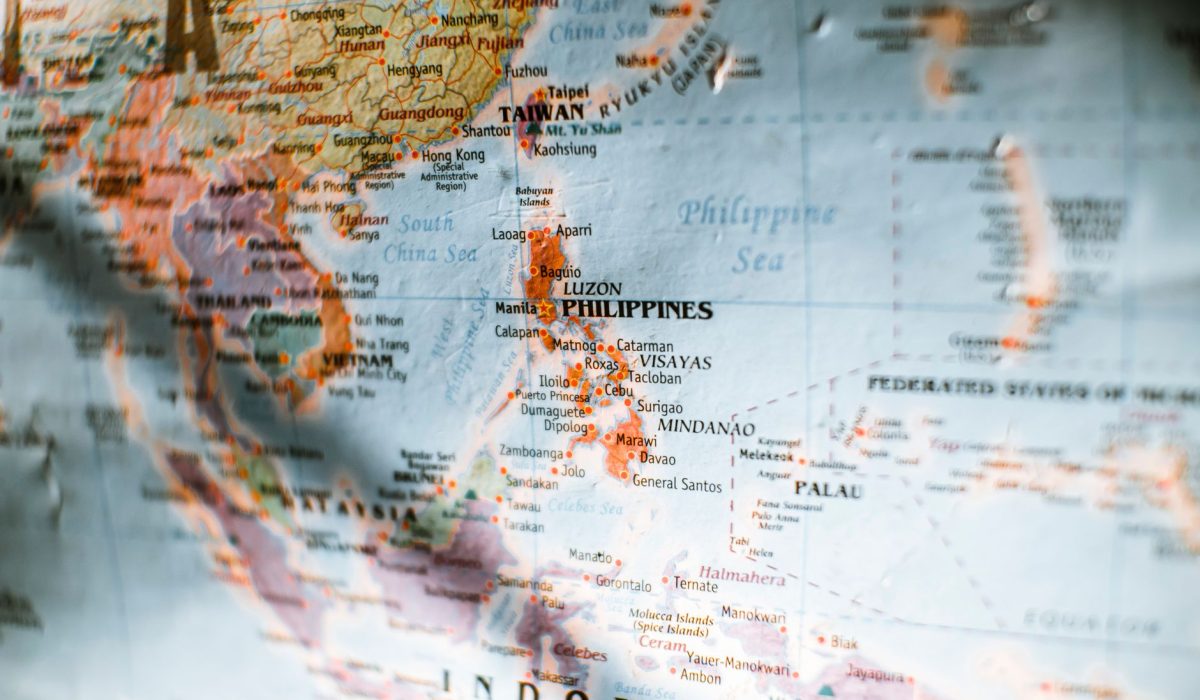
You’d be hard-pressed to find another country that packs this much variety into a single trip. The Philippines stretches across 7,641 islands, each with its own personality. Some are loud and touristy. Others you’ll have almost entirely to yourself. When I started looking into where to travel philippines-wise in Southeast Asia, I kept circling back here, and honestly, it wasn’t a close call.
The famous spots are famous for good reason, but the lesser-known places are where things get genuinely interesting. A bit of planning and some willingness to ask locals goes a long way.
The Philippines by the Numbers
The country has 10 UNESCO World Heritage Sites, which is a lot for one archipelago. The Rice Terraces of the Philippine Cordilleras alone are worth a detour, and the colonial streets of Vigan feel like walking through a different century. Budget roughly ₱2,500 per day if you want a comfortable baseline covering meals, a decent guesthouse, and a tour or two. Backpackers can stretch that further, and if you want beachfront resorts, you’ll burn through it faster. I’d plan your daily budget around which islands you’re hitting, because prices vary a lot between Boracay and, say, Samar.
Top 5 Tourist Destinations
When you travel philippines for the first time, these five tend to show up on every itinerary, and they’ve earned it.
- Boracay – Powdery white sand, good nightlife, and more water sports than you’ll have time for. Crowded, yes, but the beach is genuinely that good.
- Palawan – Limestone cliffs, clear water, serious marine life. El Nido and Coron are the highlights; island-hopping tours there run about ₱1,200-1,500 per person.
- Cebu – Dive sites, waterfalls, and history in the same trip. Don’t skip Kawasan Falls if you’re anywhere nearby.
- Bohol – The Chocolate Hills are stranger in person than in photos, and a slow river cruise on the Loboc includes a decent local meal.
- Manila – Intramuros for history, then whatever neighborhood food market locals are actually eating at. Skip the tourist restaurants.
Budget Travel Tips
Stretching your pesos isn’t complicated once you know where the money actually goes.
- Eat local: Adobo, sinigang, lechon from a market stall costs a fraction of a sit-down restaurant and usually tastes better.
- Use jeepneys and buses: Slower than a private van, but you’ll meet people and spend almost nothing.
- Travel off-peak: May to October means rain, but accommodation prices drop noticeably and popular spots feel half-empty.
- Book activities in advance: Package deals combining transport and a tour often beat booking separately, especially in Palawan.
Unique Local Experiences
The stuff worth remembering rarely shows up in a brochure. Sinulog in Cebu (January) is genuinely overwhelming in the best way, all drums and color and people who’ve been practicing their costumes for months. Ati-Atihan in Aklan runs around the same time and feels a bit wilder. A cooking class in a home kitchen, not a hotel, will teach you more about Filipino food than a week of restaurant meals. Community tours through local artisan villages are worth a half-day; a woman in a Batanes weaving cooperative once spent an hour showing me techniques her grandmother taught her, and that cost almost nothing to arrange.
Adventure Activities Await
The marine stuff alone justifies the trip. Tubbataha Reefs and Apo Island are world-class dive sites, but there are beginner-friendly spots close to most major islands too. For hiking, Mount Pulag gives you a sea of clouds above the Cordilleras if you time it right, and Mount Apo (the country’s highest peak) is a proper multi-day challenge. Siargao is the place for surfing, even if you’re learning. Canyoneering in Badian, Cebu involves jumping into cold river pools, which sounds terrifying and is actually excellent.
Hidden Gems and Local Favorites
These don’t get nearly enough attention when people travel philippines.
- Batanes: Rolling hills, stone houses built to survive typhoons, and almost no other tourists. Remote but worth the extra flight.
- Samar and Leyte: Sohoton Natural Bridge National Park has caves and rivers that most visitors never see.
- Siquijor: Small, laid-back, and pretty. The mysticism reputation is a bit of a local joke, but the beaches are real.
- Camiguin: Volcanic hot springs, a sunken cemetery you can snorkel over, and the White Island sandbar. Genuinely one of my favorites.
Planning Your Perfect Trip
Figure out your priorities before you start booking flights between islands, because hopping around costs time and money. If beaches matter most, stay in one region. If you want cultural depth, Manila plus Vigan plus Batanes makes a coherent trip. Check visa requirements well before you go (most nationalities get 30 days on arrival, extendable), and travel insurance is one thing I wouldn’t skip here, partly because inter-island ferries occasionally get delayed by weather for days. With some flexibility built into your schedule, a trip to the Philippines tends to work out better than planned.
FAQs
What are the best months to visit the Philippines?
November through April is drier and cooler across most islands, making it the most reliable window for outdoor plans.
How much should I budget daily?
Around ₱2,500 covers meals, a guesthouse, and basic activities; budget travelers can manage less, resorts cost more.
What foods should I try first?
Start with adobo, sinigang, and lechon, then finish with halo-halo. Those four cover the range well.