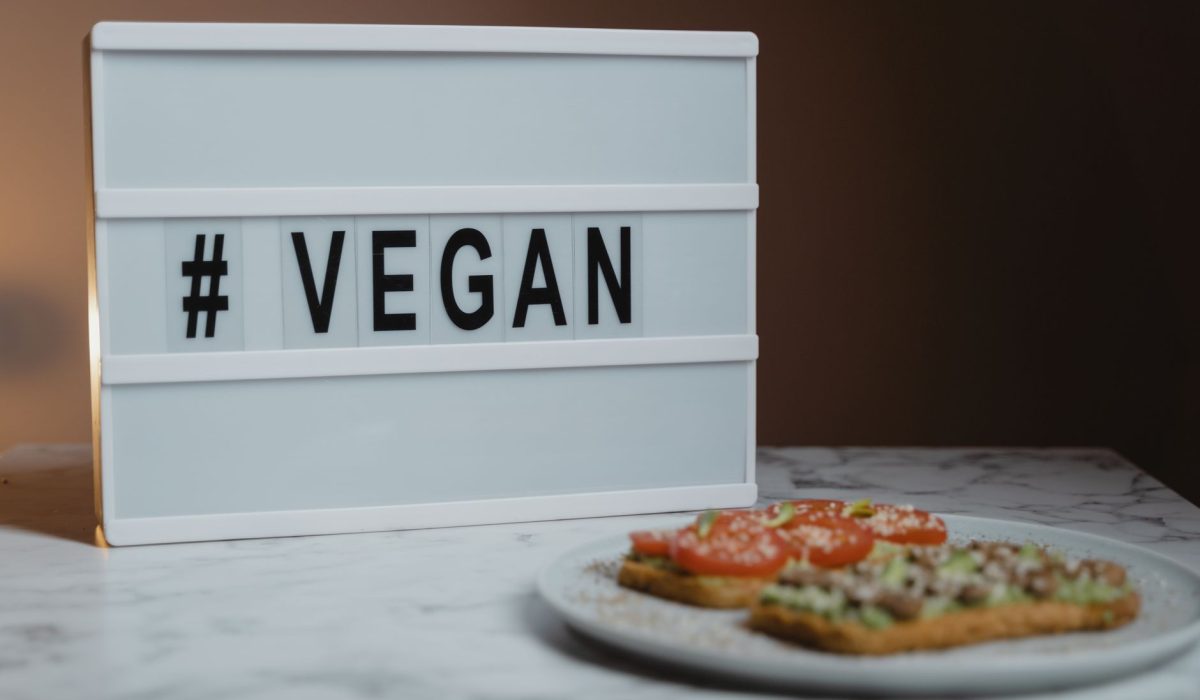
You know, it’s pretty interesting how more people are calling themselves vegan yet still haven’t fully embraced that lifestyle. The difference between enjoying vegan meals and actually living a vegan lifestyle is huge. I recently caught up with a friend who made the switch last year, and her insights really opened my eyes to this trend.
Key takeaways
- A vegan lifestyle works best when daily routines, not just beliefs, are set up to support it.
- Plan for vitamin B12, and check iron, iodine, calcium and omega-3 intake.
- Batch cooking and a short list of reliable meals keeps costs and stress down.
- Track your first 90 days and adjust, instead of aiming for perfection.
As of 2023, about 88 million folks around the world identify as vegan. The plant-based food market is valued at around $29.4 billion. You’d think that with so many people claiming veganism, our grocery stores would be packed with plant-based products. But what’s really common is that there’s a significant gap between this identity and the actual habits people maintain.
Understanding what a vegan lifestyle involves goes beyond just meals. It’s about choices, ethics, and health. For many, it’s more of a journey than a straightforward path. Let’s dive into what this lifestyle entails, the health trade-offs, actual costs, and how you can track your own journey into veganism.
What a Vegan Lifestyle Covers
So, what does saying you’re vegan actually mean? Most folks think it just means avoiding meat and dairy, but it actually covers a lot more territory. A vegan lifestyle includes ethical choices around using any animal products, like in clothing, cosmetics, and household items. It’s really a commitment to steering clear of all forms of animal exploitation. When my friend switched, she spent hours going through her wardrobe and making swaps for her leather shoes and wool sweaters.
The vegan rate in the UK is about 3% of the population—definitely higher than in many other countries. This shift isn’t only about diet; it’s also about aligning personal values with everyday practices. During Veganuary, an initiative that encourages people to try veganism for January, a record 25 million participants signed up in 2024. That’s a lot of people trying to engage with this lifestyle, even if just for a month. The biggest challenge, though, is turning those 30 days into a long-term habit.
Another cool angle is the environmental impact. Research shows the average vegan saves about 1.3 million liters of water each year. That resonates with many adopting a vegan lifestyle because they care about climate change. It goes beyond just a diet; it’s like a way to step toward a sustainable future.
Health Trade-offs and Nutrient Gaps
Now let’s talk about health. A vegan lifestyle does come with its trade-offs, especially nutrition-wise. While it can be a super healthy way to eat, those who don’t plan might end up with deficiencies. One big issue is Vitamin B12. Studies say that up to 86% of vegans who don’t take supplements end up deficient. A client of ours started taking a B12 supplement after feeling wiped out for months, only to find she was missing this essential nutrient.
Protein intake is another question many have. Yeah, you can build muscle on a vegan diet, but you really need to know your food sources. Beans, lentils, quinoa, and tempeh become staples for vegans aiming for strength. Learning how to combine foods effectively to meet protein needs makes a big difference.
You’ve also got to be cautious about iron, zinc, calcium, and omega-3 fatty acids. You can certainly get iron from plant sources like lentils, but knowing how to combine foods to optimize absorption is key.
If you’re thinking about transitioning, you should keep these gaps in mind. Working with a nutritionist can help plug those nutritional holes.
Real Costs and Daily Practicalities
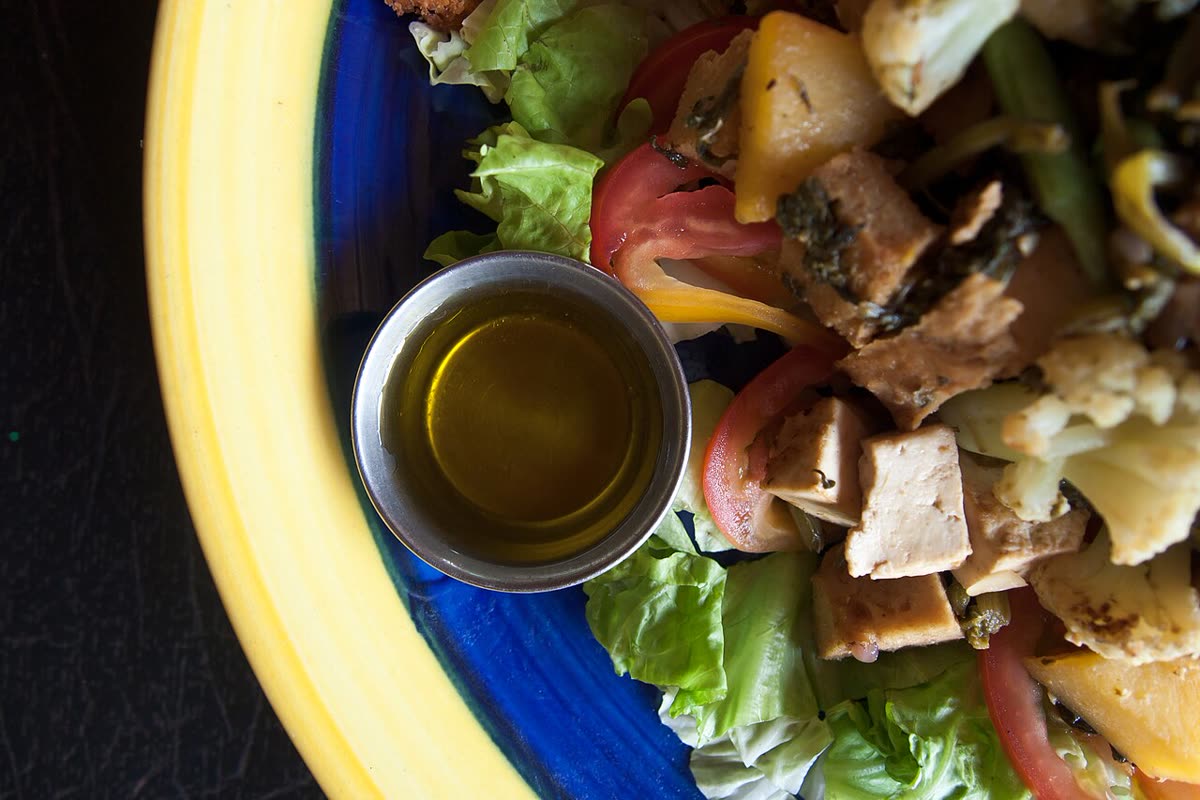
When people consider going vegan, they often worry about costs. Here’s the good news: vegan groceries are now pretty competitive with regular options, generally just about 5% more in many Western markets. So, you can fill your cart without stressing your wallet.
My friend mentioned that her grocery bill barely changed after going vegan. She swapped some pricey items for budget-friendly staples like rice, beans, and seasonal veggies. It’s easy to get sidetracked by trendy vegan products that can inflate costs, but lots of affordable ways to eat plant-based exist.
Meal prepping is a real game-changer. Instead of getting takeout, cooking larger batches saves both time and money. A big pot of lentil soup can stretch for days.
Also, watch out for labels—some products marketed as vegan are still pricy. Reading labels helps avoid the temptation of unnecessary expenses. Once you know what to look for, you can find affordable options at your local store.
Tracking Your First 90 Days
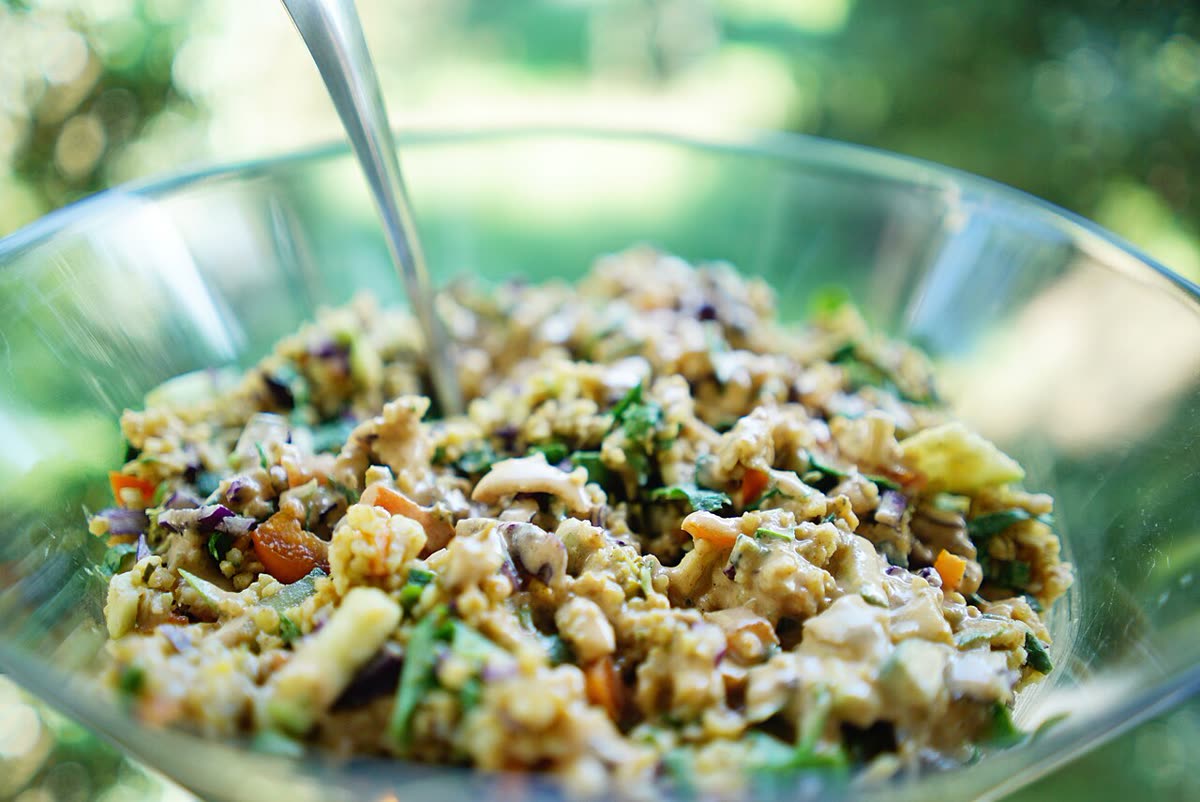
So, you’re thinking of trying a vegan lifestyle? A solid plan can really make a difference. In the first 90 days, keeping track of what you’re eating can be super helpful. Tools like food journals or apps help spot patterns and track any nutritional gaps.
Start with realistic goals. Maybe in the first month, you try meatless Mondays and work your way up to a full week of vegan meals. As you go, you might stumble upon some unexpected favorites—like homemade cashew cheese or vegan burgers.
Connecting with online communities really helps too. There’s an abundance of recipes, tips, and support out there. Share your journey, ask questions, and don’t hesitate to reach out when you hit a bump.
Finally, be kind to yourself. Changing your lifestyle takes time, and it can feel bumpy. Celebrate your wins and learn from stumbles.
Daily Habits That Make a Vegan Lifestyle Stick
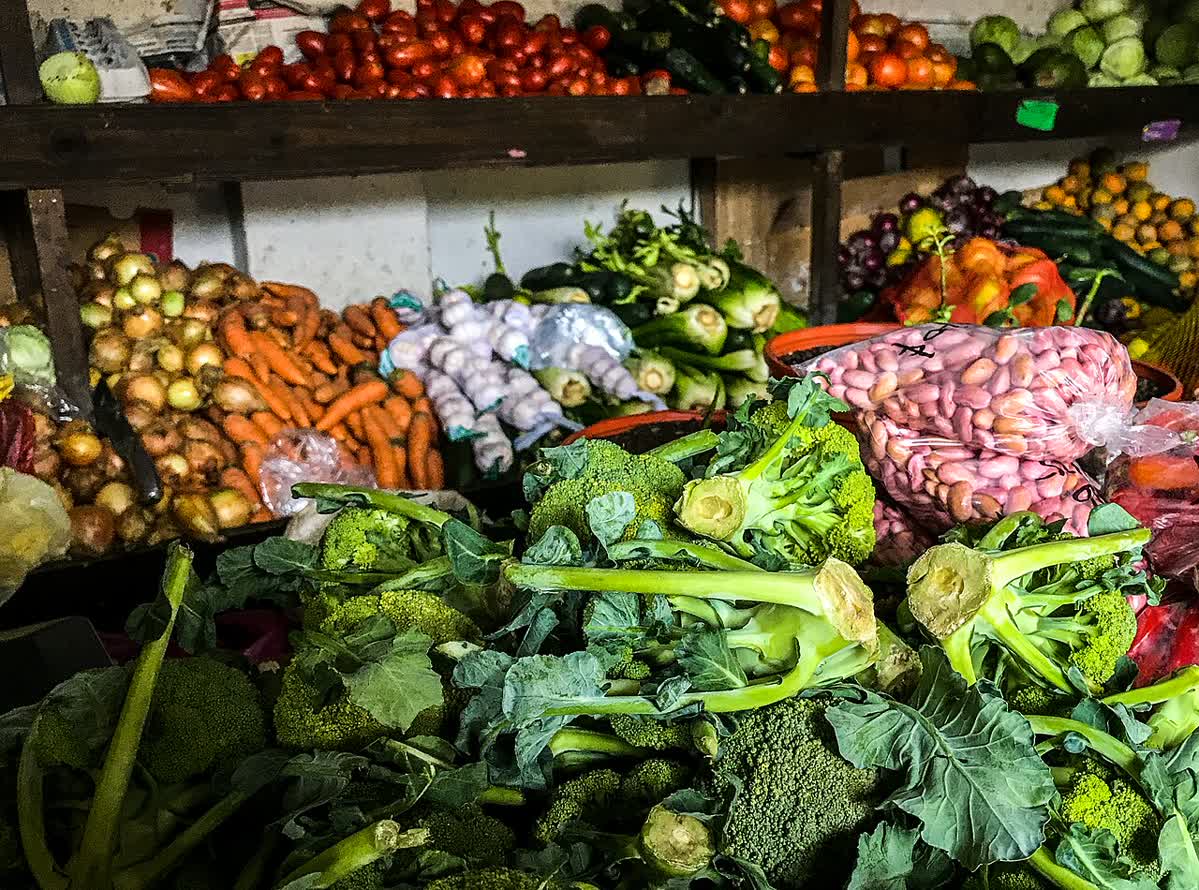
Most people who drift away from a vegan lifestyle don’t lose their values; they lose their routine. A few habits close the gap. Keep a short list of five or six dependable dinners you can cook without thinking, such as lentil dal, tofu stir-fry, bean chilli, pasta with vegetables and a grain bowl. Cook a big batch of a staple on one evening, such as beans or rice, and use it three ways. Keep emergency food, like canned beans, nuts and frozen vegetables, so a busy day doesn’t end with a drive-through.
Eating out and socialising need a plan too. Check menus ahead of time, suggest places with several options and offer to bring a dish to gatherings. The same mindset of making the easy option the right one drives the ideas in small healthy lifestyle changes and systems over motivation.
Nutrition Basics to Get Right
The one nutrient everyone following a vegan lifestyle should plan for is vitamin B12, which isn’t reliably available from plant foods unless they are fortified, so a supplement or fortified products are standard advice. Pay attention to iron, calcium, iodine, zinc and omega-3 fats as well, and combine iron-rich plants with vitamin C sources to help absorption. The U.S. National Institutes of Health publishes a detailed vitamin B12 fact sheet. Consider a blood test now and then, and speak with a doctor or registered dietitian, particularly if you are pregnant, an athlete or managing a health condition. For the bigger picture of balance, see designing a wellness lifestyle.
FAQs
Is a vegan lifestyle expensive?
A vegan lifestyle often isn’t pricier than an omnivore diet. Vegan grocery costs are about 5% higher than traditional options in many Western markets, making it accessible for most.
What nutrients do vegans commonly lack?
Vegans often miss out on Vitamin B12, iron, calcium, and omega-3 fatty acids if they don’t supplement or eat fortified foods. Careful meal planning helps fill these gaps.
Can you build muscle on a vegan diet?
Absolutely! Building muscle on a vegan diet is possible by including high-protein plant foods like lentils, beans, quinoa, and tofu while ensuring you get enough overall nutrients.
Do I need supplements on a vegan diet?
Vitamin B12 is the one almost every health authority recommends, from fortified foods or a supplement. Others, such as vitamin D, iodine or omega-3s, depend on your diet, location and blood tests.
How do I avoid getting bored with vegan meals?
Rotate cuisines rather than recipes: Indian, Mexican, Middle Eastern and East Asian cooking all use plants well. Change the sauce, spice and texture, and try one new ingredient a week.