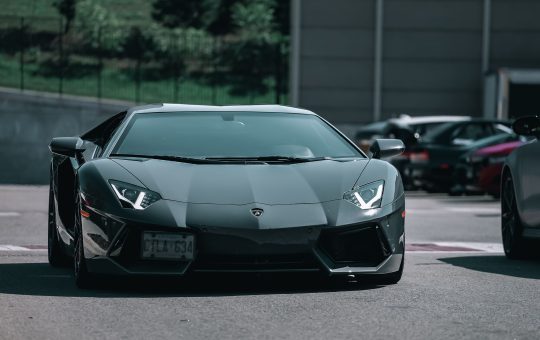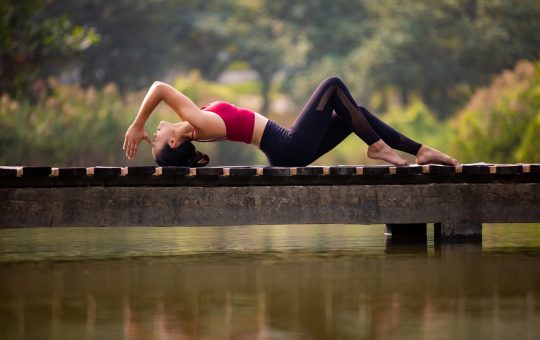
Many folks think lifestyle images are just pretty pictures that flaunt products. That’s only part of it. The true strength of lifestyle images is in their ability to stir emotions and form connections. They sell a feeling first, then showcase the product, nurturing desire and framing a story. If you tweak how you view lifestyle images, it can significantly impact how you take or select them, especially in e-commerce, where they can convert two to three times better than plain product shots.
Lifestyle photography dates back to the 1960s and 70s, with leading brands like Kodak and Coca-Cola paving the way for this unique commercial style. Nowadays, there’s a noticeable swing towards authenticity, thanks to user-generated content (UGC), smartphone tech, and a growing demand for emotional ties in advertising. Let’s look at what lifestyle images really are, the psychology behind their effectiveness, and how you can source or create them.
What Lifestyle Images Are
Lifestyle images are all about capturing people using products in everyday moments. Unlike traditional product photos that usually spotlight the item alone in a controlled set, lifestyle images place the product within a particular lifestyle or experience. They often highlight moments that resonate with the aspirations or values of the target audience, nudging them to see themselves in those scenarios.
Think about a lifestyle image that shows a family relishing a picnic with a certain brand of snack instead of merely displaying the snack packaging. This angle helps viewers picture their perfect family moments while subtly promoting the product.
In my experience, authentic UGC lifestyle content gets about 6.9 times the engagement compared to brand-created posts. That’s impressive! It really emphasizes how crucial it is to use relatable, real-life scenarios that click with your audience.
Psychology Behind Purchases
Understanding the psychology tied to lifestyle images can shift your photography approach. Consumers often make buying decisions based on feelings rather than logical thought. So, by tapping into those feelings, lifestyle images can spark a strong desire to buy.
From what I’ve seen, natural light boosts perceived authenticity by nearly 35%. When people see an image that feels genuine, they’re more likely to connect with it on an emotional level. This bond can lead to higher conversion rates. When potential buyers relate personally to an image, they tend to trust the brand more and are likely to consider its products.
Moreover, brands that keep a consistent color grading across their lifestyle image library can boost brand recognition by about 80%. Consistency builds a solid visual identity, making it simpler for consumers to identify your brand in a busy marketplace. Your audience should recognize your imagery instantly.
Shooting and Sourcing Lifestyle Images
Getting lifestyle images right involves paying attention to the environment, lighting, and the people you choose to feature. A well-planned scene sends the message you want. While hiring professional photographers can be a good idea, don’t discount smartphone cameras. Over 60% of lifestyle content uploaded to social platforms comes from these devices, suggesting authentic shots often resonate more than perfect ones.
If you’re sourcing rather than shooting, you’ve got options. Stock image libraries like Adobe Stock and Getty Images offer licensed lifestyle images ranging from $50 to over $500, depending on resolution, usage rights, and exclusivity. Sure, investing in high-quality images might feel overwhelming, but well-selected lifestyle images can really elevate your e-commerce pages and marketing materials, yielding strong returns.
Remember to find the balance between authenticity and professionalism in your images. Sometimes a casual, candid shot has more authenticity than a meticulously staged photo. Some brands cleverly mix UGC with professionally shot lifestyle images for a relatable flair.
Building a Consistent Image Library
Creating a consistent library of lifestyle images won’t happen overnight. It takes a strategic approach to ensure your visuals reflect your brand ethos and engage your target audience.
Start by defining your brand’s identity. What feelings or lifestyles do you want your customers to associate with? Then, curate a mood board that showcases the styles and themes you want to project through your imagery. This can help steer your shooting or sourcing efforts.
Invest in a combination of professional photographs and user-generated content. Encourage your customers to share their experiences with your products on social media. Featuring real customers in your lifestyle images can enhance authenticity and create a sense of community around your brand.
Check that all your lifestyle images keep a consistent tone, color grading, and style. Using the same filters or editing techniques contributes to a cohesive look, which is vital for brand recognition. In time, you’ll have a robust library of lifestyle images that tell a story and enhance your overall marketing strategy.
FAQs
What is the difference between lifestyle and product photography?
Lifestyle photography features products in real-life contexts, focusing on emotions and storytelling, while product photography focuses mainly on the product itself, emphasizing its features without lifestyle context.
How do I license lifestyle images legally?
License lifestyle images by purchasing them from stock image websites like Adobe Stock or Getty Images, ensuring you obtain the necessary rights for your intended use, whether for commercial or editorial purposes.
What makes a lifestyle image look authentic?
Authenticity comes from relatable scenarios, natural lighting, and genuine emotions. Using real interactions instead of overly staged setups can really enhance the perceived authenticity of the image.