
Home health care Indianapolis families can arrange runs from a few hours of help with bathing and meals to skilled nursing and therapy delivered in the living room. The right option depends on what the patient needs medically, what insurance will pay for, and how much help the household can realistically provide on its own. This guide walks through the services, the money questions, and a simple way to compare agencies.
Key takeaways
- Home health care Indianapolis agencies offer covers two different things: skilled care ordered by a doctor, and non-medical personal care.
- Medicare may pay for skilled home health when specific conditions are met, but it generally does not pay for round-the-clock personal care.
- Always ask for written rates, a written care plan, and proof of state licensing before you sign anything.
- Interview at least three agencies and ask the same questions each time so the answers are easy to compare.
Home Health Care vs. Home Care: Know the Difference First
The two terms sound alike, and agencies sometimes use them loosely, but they mean different things. Home health care is clinical. It includes skilled nursing, physical therapy, occupational therapy, speech therapy, and wound care, usually ordered by a physician after a hospital stay or during a serious illness. Home care, sometimes called private duty or personal care, is non-medical: bathing, dressing, meal preparation, light housekeeping, errands, and companionship.
Many people need both. Someone recovering from hip surgery, for example, may have a therapist visit three times a week while an aide helps with showering and breakfast. If you are comparing home health care Indianapolis providers, ask each one which of the two they actually deliver, because some agencies do only one.
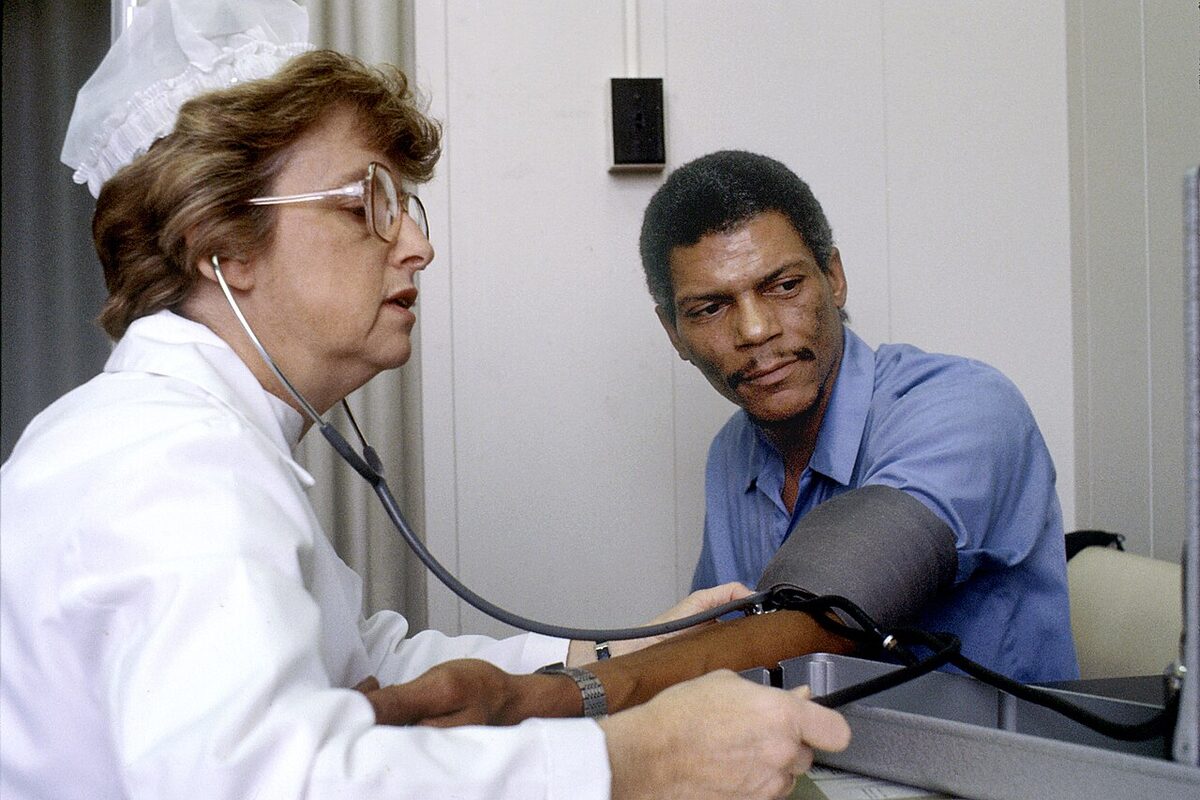
Services You Can Expect
Most agencies build a plan around the person rather than a fixed menu, but these are the home health care Indianapolis services families ask about most:
- Skilled nursing: medication management, injections, wound dressing changes, monitoring of vital signs, and teaching patients to manage a condition.
- Physical and occupational therapy: exercises to rebuild strength, balance, and the ability to handle daily tasks safely.
- Speech therapy: help with swallowing or communication after a stroke or similar event.
- Personal care aides: help with bathing, grooming, toileting, and getting around the house.
- Companionship and respite: company for the patient and a break for the family caregiver.
Recovery after surgery often involves small practical details as well, from wound care to supportive garments. Our piece on the abdominal belt after surgery is a good example of the kind of question worth raising with your nurse early on.
What Home Health Care Indianapolis Families Pay
Cost is where families feel the most uncertainty, and it is the area where published numbers vary the most. Private-duty hourly rates differ by agency, by the level of training required, and by whether the shift falls on a weekend, holiday, or overnight. When pricing home health care Indianapolis agencies, treat any single quoted figure as a starting point, and ask each agency for a written rate sheet that lists minimum shift lengths, mileage charges, and holiday premiums.
Who pays
- Medicare: covers part-time skilled home health services when a doctor certifies the need, the patient is considered homebound, and the agency is Medicare-certified. It does not generally cover ongoing personal care by itself. The official Medicare home health services page spells out the conditions.
- Medicaid: programs vary by state and by waiver, so ask a local caseworker what applies to your situation.
- Long-term care insurance: often reimburses personal care once a policy’s waiting period and benefit triggers are met. Read the policy’s definitions closely.
- Private pay: the simplest option, though the most expensive over time.
Insurance paperwork has its own vocabulary, and a misunderstood term can cost real money. Our guide to health insurance terms that cost you real money is worth a read before you call your insurer.

How to Choose an Agency
A short, consistent checklist beats a long gut-feel search. Use the same questions with every agency:
- Is the agency licensed in Indiana? Home health agencies are regulated by the Indiana Department of Health. Ask to see the license, and ask whether the agency is also Medicare-certified.
- Who are the caregivers? Find out whether they are employees or contractors, how they are screened, and what training they receive.
- Who writes the care plan? A registered nurse should assess the home and the patient, and the plan should be in writing.
- What happens when a caregiver calls in sick? Good agencies have a clear backup process.
- How do you reach someone after hours? You want a real person, not just a voicemail box.
- How are complaints handled? Ask for the process before you need it.
Medicare also publishes a comparison tool called Care Compare that lets you look up certified home health agencies by location and see quality information. For a deeper look at how agencies are set up and regulated, our explainer on what licenses a home health care business needs shows what to expect behind the scenes.
Local Starting Points for Home Health Care Indianapolis Residents
You do not have to start from scratch. Hospital discharge planners and social workers, including those at large systems such as IU Health and Eskenazi Health, routinely help families arrange home health after a stay. Your primary care doctor can write the order for skilled services, and local area agencies on aging can point older adults toward programs and community resources. Friends, neighbors, and faith communities are also useful sources of honest firsthand experience, even if they cannot replace checking a license.

Setting Up the First Weeks Well
The first two weeks decide whether care will work smoothly. Keep a simple notebook by the door with the medication list, doctor contacts, and the caregiver schedule. Walk through the house with the nurse or therapist and fix tripping hazards, such as loose rugs and poor lighting. Agree in advance on how the family will communicate with the agency, whether that is a weekly call or a shared message thread, so nobody is guessing. Finally, review the plan after the first couple of weeks and adjust it. Needs usually change quickly during recovery.
FAQ: Common Questions
Does Medicare pay for home health care Indianapolis residents receive?
Medicare may cover part-time skilled home health care if a doctor certifies that you need it, you are homebound, and the agency is Medicare-certified. It generally does not cover 24-hour care or custodial help on its own.
What is the difference between a home health aide and a nurse?
A nurse delivers clinical care such as wound care or medication management. An aide helps with personal tasks like bathing and dressing, usually under the direction of a nurse for home health patients.
How do I know an agency is legitimate?
Ask for its Indiana license, check Medicare certification if you plan to use Medicare, and request references. A reputable agency will provide these without hesitation.
Can I change agencies if I am unhappy?
Yes. You are free to switch, though it helps to raise concerns with the agency’s nursing supervisor first. Ask your doctor to send the new order to the new agency.
How quickly can care begin?
It depends on staffing and on the paperwork. After a hospital stay, the discharge planner can often arrange a first visit within a day or two, but ask each agency for its typical start time.
Final Thoughts
Choosing home health care Indianapolis households can trust comes down to matching the type of care to the need, confirming who pays, and checking credentials before the first visit. Ask the same questions of every agency, keep everything in writing, and revisit the plan as recovery progresses.