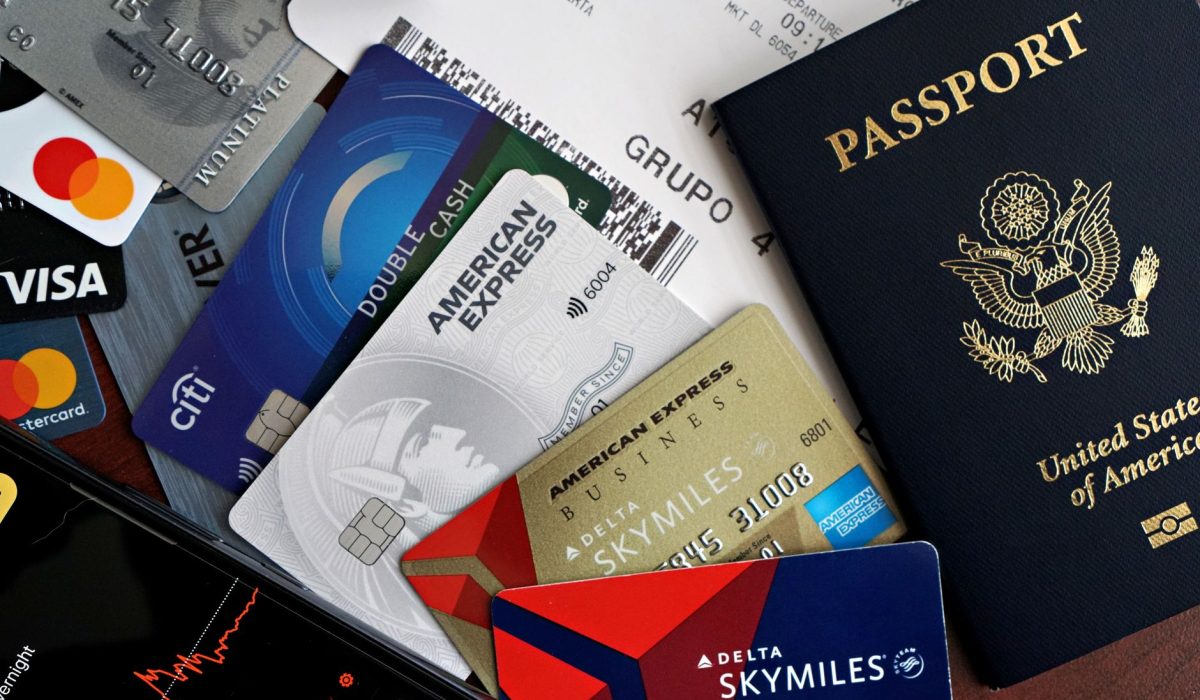
I booked a business-class flight to Tokyo last spring, and I only paid about $180 out of pocket. The rest came from points I spent maybe two hours moving around. That’s the real value of picking the right card.
The best credit cards travel rewards programs really have their differences. A card that works for someone flying United every week won’t be helpful for those who take an international trip just once a year. Sure, sign-up bonuses grab attention, but that’s just one piece of the puzzle. It’s the structure, transfer partners, and lounge access that determines whether you get good value over three years or just a nice first month.
Let’s look at how to assess your options before applying for anything.
Structure of Travel Rewards Cards
Most cards fit into two categories. Fixed-value cards offer a set rate on every purchase, usually between 1.5 to 2 cents per mile or point. You redeem against a travel statement credit. This is simple and predictable, which is great for many people. On the flip side, transferable-points cards let you earn points in a bank currency (like Chase Ultimate Rewards or Amex Membership Rewards). You can redeem at a fixed rate or transfer them to airline and hotel partners.
That transfer option really opens up potential value. For example, transferring Chase points to Air France/KLM Flying Blue can push your value to around 2 cents per point when booking partner awards, compared to just 1 cent for cash-out. Over 80,000 points, that’s an $800 difference. It takes some effort to navigate, sure, but it’s worth it if you’re booking international flights.
Category bonuses also add value. Most premium cards offer 3x or 5x points on dining and travel, with some rewarding specific purchases like hotel bookings made directly with the hotel. It’s a good idea to read the fine print, so you don’t miss out on potential earnings.
Best Cards for Different Travelers
For the Occasional Traveler
The Capital One Venture earns a flat 2x miles on every purchase, with a $95 annual fee. You can redeem miles as a statement credit for travel purchases, which means you won’t be scrambling for award seats. I think it beats a lot of fancier options if you travel, say, three or four times a year without sticking to one airline.
For the Domestic Frequent Flyer
Chase Sapphire Preferred, at $95 yearly, is often the go-to entry-level card for good reasons. You get solid transfer partners like United, Hyatt, and Southwest, plus 3x points on dining. Want more perks? Upgrade to the Chase Sapphire Reserve for $550, with a $300 annual travel credit, and lounge access. If you fly eight or more times a year, it’s usually worth the extra cost.
For International Travelers
The Amex Platinum is a heavy hitter. The $695 annual fee can seem high, but the welcome offer might net you 80,000 Membership Rewards points after hitting a spend threshold. Those points transfer to Air France/KLM, British Airways, and about 20 other partners. You also benefit from lounge access, a $200 airline fee credit, and a $100 Global Entry or TSA PreCheck credit. If you travel internationally twice a year or more, the credits can help offset much of the fee.
Making the Most of Points
Transfer partners are often overlooked when comparing cards, and that’s a big mistake. Chase transfers to United Airlines, Air France/KLM, British Airways, and Hyatt at a 1:1 ratio. While Amex overlaps on some, they add Singapore Airlines KrisFlyer, useful for premium cabin awards to Asia. Capital One transfers to Air Canada Aeroplan and Turkish Airlines. Aeroplan, in particular, offers some of the cleanest pricing for Star Alliance flights.
The best approach? Choose one transferable-points card as your main earner, and get familiar with two or three partner programs. You don’t need to master all of them. Personally, I mostly use Flying Blue and Hyatt, which covers most of my travel needs. Spreading points too thin often means you won’t accumulate enough in any single program.
A quick heads-up: transfers are generally one-way and instant. Once you move points to an airline, they’re out of your bank’s currency. Always check award availability first, not after.
Fees to Consider
The best credit cards travel rewards programs with high annual fees can be worth it, but only if you actually take advantage of the perks. Priority Pass won’t help if you’re always rushing through the airport. The $300 Chase Reserve travel credit applies automatically, making it nearly effortless. In contrast, the Amex airline fee credit requires selecting a specific airline and only covers incidental charges, which can trip people up.
There are cards I’d skip, like co-branded airline cards, unless you’re loyal to that airline and check bags often. A United Explorer card at $95 might be worth it if you fly United frequently, but otherwise, a general transferable-points card offers more flexibility. The free night certificates on hotel co-branded cards can be valuable, like with a Marriott Bonvoy card, but these are sometimes better as a secondary card, not your main one.
For most folks, one main transferable-points card plus a no-fee flat-rate card for everyday spending is sufficient. Adding a third card can work, but adding a fifth might cost you more in fees than you realized.
FAQs
What credit score do you need for travel rewards cards?
Most premium travel cards typically require a score of 700 or higher. Top-tier cards like Amex Platinum often approve scores in the 720-750 range or better.
Are travel rewards cards worth it if you travel once a year?
Yes, usually if you choose a no-fee or low-fee card. A $95 card earning 2x points pays back its fee after a few thousand dollars in spending.
Can you combine points from different travel credit cards?
Chase Ultimate Rewards points can be pooled between household accounts. However, Amex and Capital One don’t allow cross-account transfers; you’ll need to move to a shared partner airline.