Fashion sport shoes can look great and still perform badly, so check a few key specs before you buy a pair. Cushioning, heel-to-toe drop, weight, stability, outsole grip, upper material and fit decide whether a pair feels good on a run, in the gym or all day on city streets. This guide explains each spec in plain language, shows how to match shoes to your activity and offers a short fitting routine so you avoid costly mistakes.
Key takeaways
- Decide the main use first: road running, trail, gym training, walking or lifestyle wear.
- Fit comes before brand, colour and trend. Try shoes in the afternoon with your usual socks.
- Learn four specs: cushioning, drop, weight and stability.
- Outsole pattern and rubber affect grip and wear.
- Replace running shoes when cushioning feels flat or the sole is worn, not when the upper looks bad.
Start with your activity
Fashion sport shoes should suit what you actually do. A shoe built for marathon training behaves differently from one designed for the gym floor or for casual style. Before looking at any specification, write down where and how you will wear the pair most often.
- Road running: cushioned midsoles, smooth outsoles and breathable uppers.
- Trail running: deeper lugs for grip, a protective toe and a sturdier upper.
- Gym and cross-training: a flatter, stable base for lifting and side-to-side movement.
- Walking and everyday wear: comfort, a flexible forefoot and a style you like.
Mixing uses is fine for casual wear, but a running shoe worn for heavy lifting wears unevenly and may feel unstable. Pairing the right shoe with the right activity also protects your joints.
Cushioning and midsole
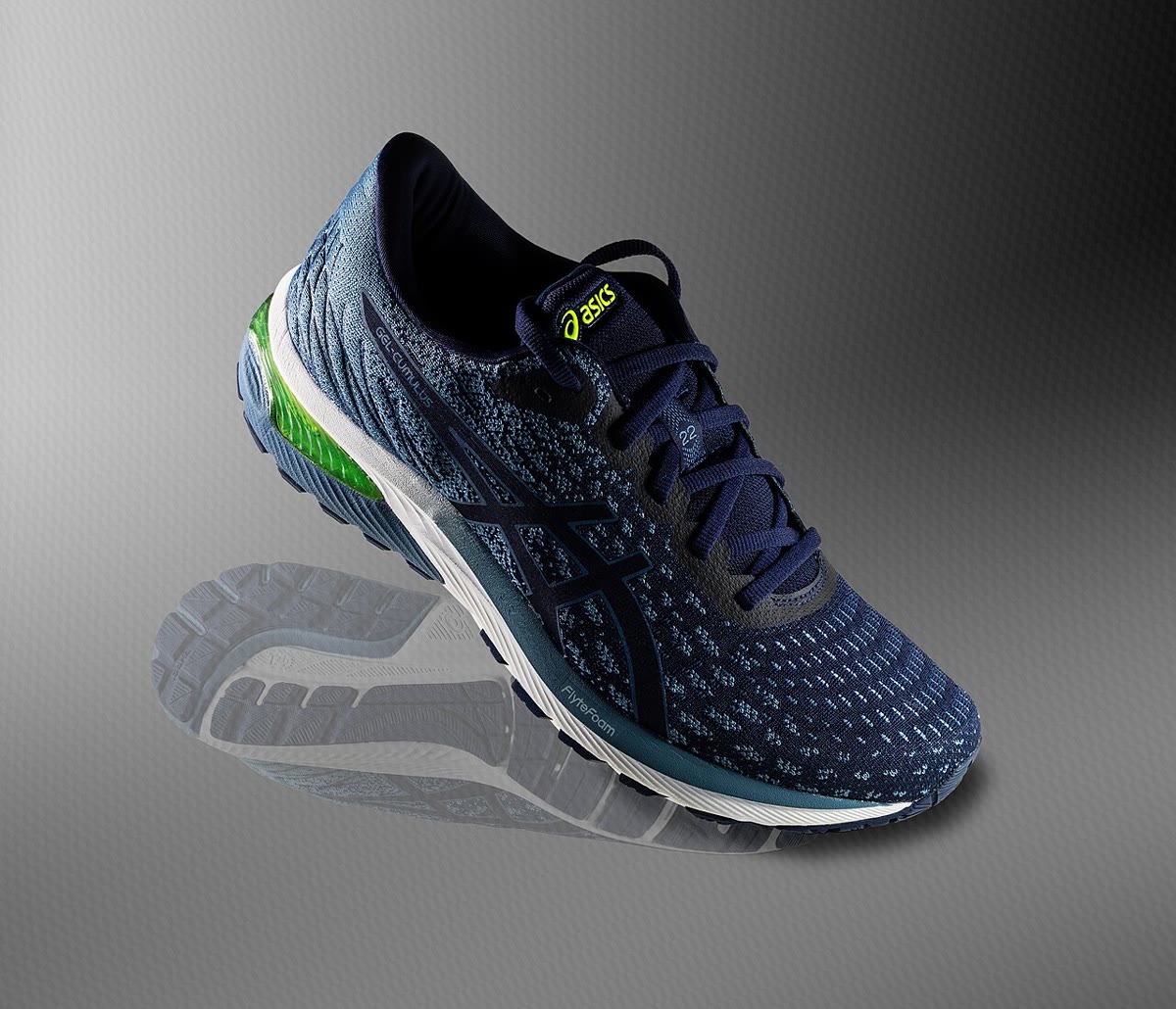
The midsole is the layer between the outsole and your foot, and it determines how soft, firm or bouncy a shoe feels. Soft cushioning absorbs impact and suits long easy runs. Firmer midsoles feel more responsive and give better ground feel. Neither is “best”; it depends on preference and distance. Try walking and jogging a few steps in the store, and pay attention to whether the shoe feels stable under the arch.
Heel-to-toe drop
Drop is the height difference between the heel and forefoot. Many traditional running shoes sit around the 8 to 12 millimetre range, while lower-drop designs sit closer to flat. A change in drop can shift load between the calves, Achilles tendon and knees, so move gradually if you switch from one to another. Brands usually list the drop on the product page or the tongue label.
Weight
Lighter shoes feel quicker and reduce fatigue over long distances, but very light models may offer less protection and durability. Listed weight is usually for one shoe in a men’s size, so compare like with like. For everyday wear a few extra grams make little difference, and durability is often the better priority.
Stability and support
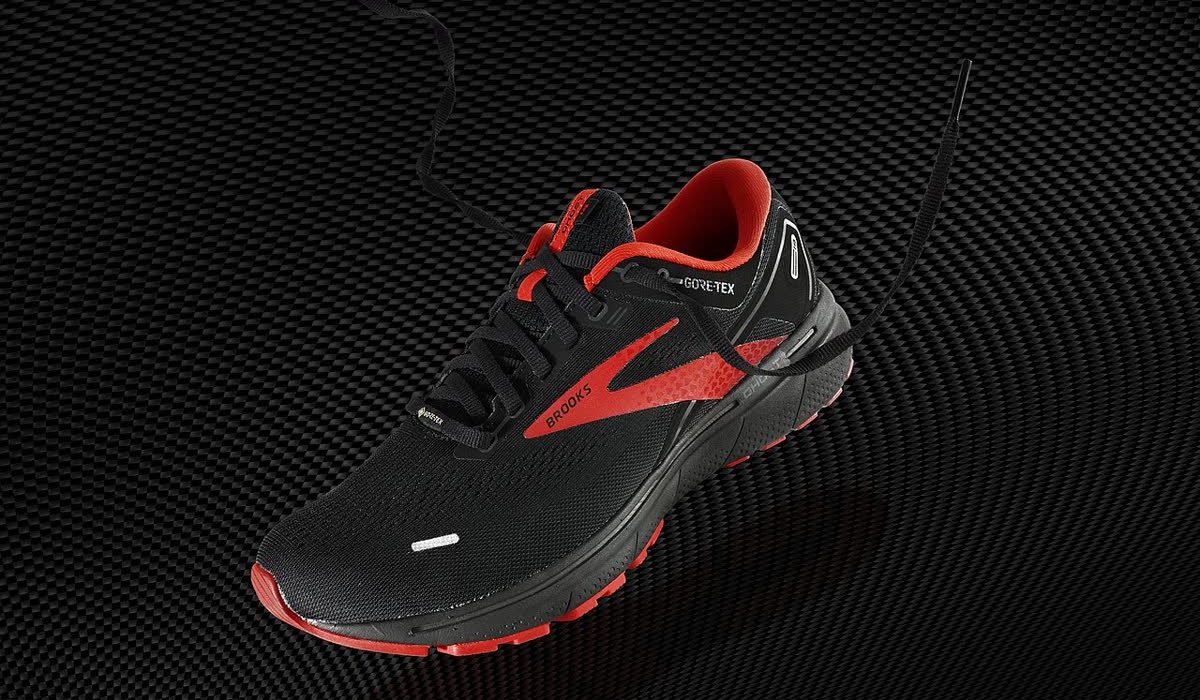
Some runners’ feet roll inward (overpronation) more than average. Stability shoes use firmer sections or guide rails to help control motion, while neutral shoes do not. If you are unsure, a specialist running store can watch you move on a treadmill. For persistent pain, see a podiatrist or physiotherapist rather than relying on shoes alone. The Brooks Adrenaline line, for example, is marketed as a stability model, while the Ghost series is positioned as a neutral cushioned shoe.
Outsole and grip
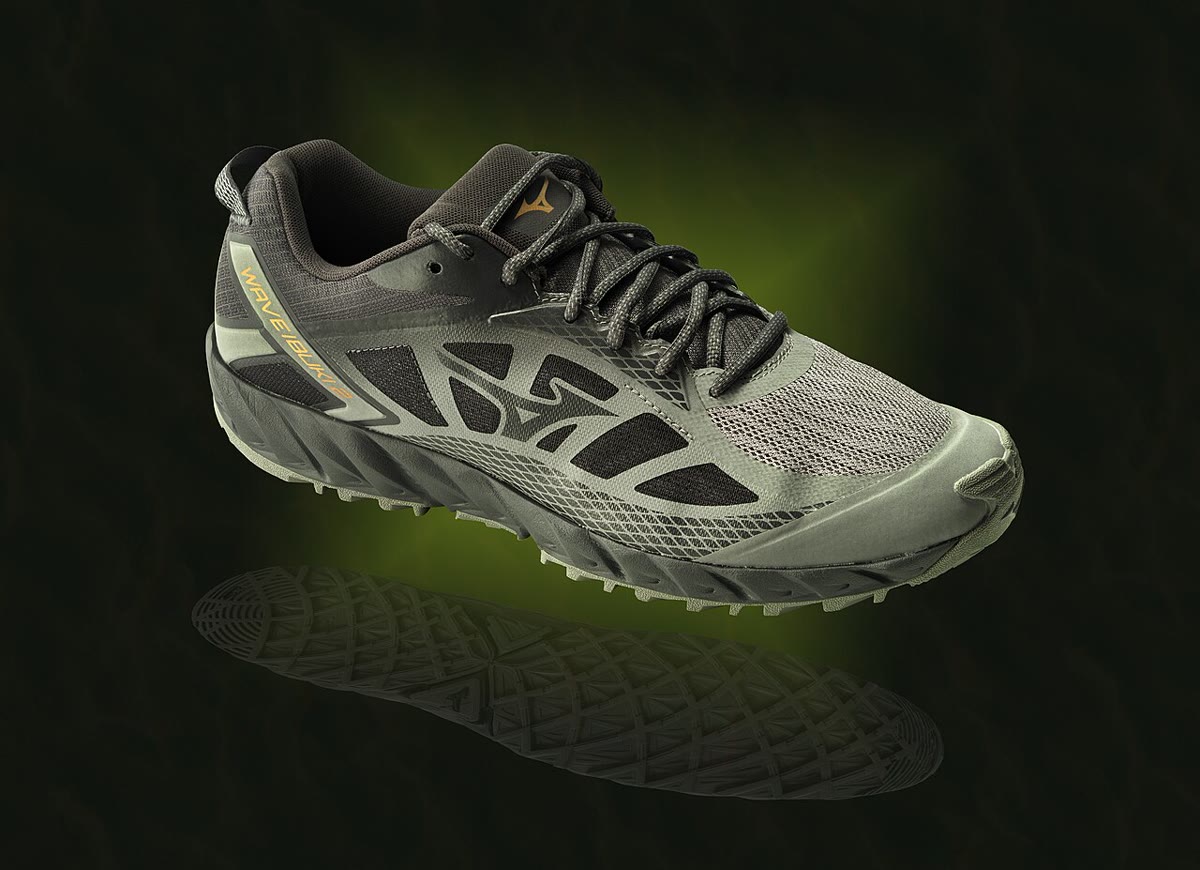
The outsole is the rubber layer that meets the ground. Road shoes use flatter patterns and hardwearing rubber at high-wear zones. Trail shoes use deeper, widely spaced lugs for mud and rocks. Court shoes have flat, gummy soles for lateral grip. Check the tread for gaps that collect stones and make sure the pattern suits your surfaces. Wet-weather walkers should look for shoes described as having good traction on slippery ground.
Upper materials and breathability
Fashion sport shoes use many upper materials. Engineered mesh is light and breathable, knit uppers feel sock-like, and leather or synthetic overlays add support and durability. Waterproof membranes keep rain out but reduce airflow, so choose them only if you regularly run in wet conditions. Check that seams do not rub on your toes or ankle.
Fit: the spec that matters most
For fashion sport shoes, fit is the spec that matters most.
- Shop late in the day when feet are slightly larger.
- Wear the socks you plan to use.
- Leave about a thumb’s width between your longest toe and the end of the shoe.
- Check that your heel stays firmly in place and does not slip.
- Walk, jog and climb stairs in the store if possible.
- Test both shoes; most people have one foot slightly larger.
Sizes vary between brands and even between models, so rely on how the shoe feels rather than the number on the box. The American Academy of Orthopaedic Surgeons offers general advice on choosing footwear and caring for your feet.
Comparison table
| Use | Prioritise | Be careful with |
|---|---|---|
| Road running | Cushioning, fit, breathability | Worn midsoles |
| Trail running | Grip, toe protection | Heavy, stiff uppers |
| Gym | Stable base, lateral support | Over-soft midsoles |
| Lifestyle | Comfort, style, durability | Flat soles with no support |
Style, fashion and price
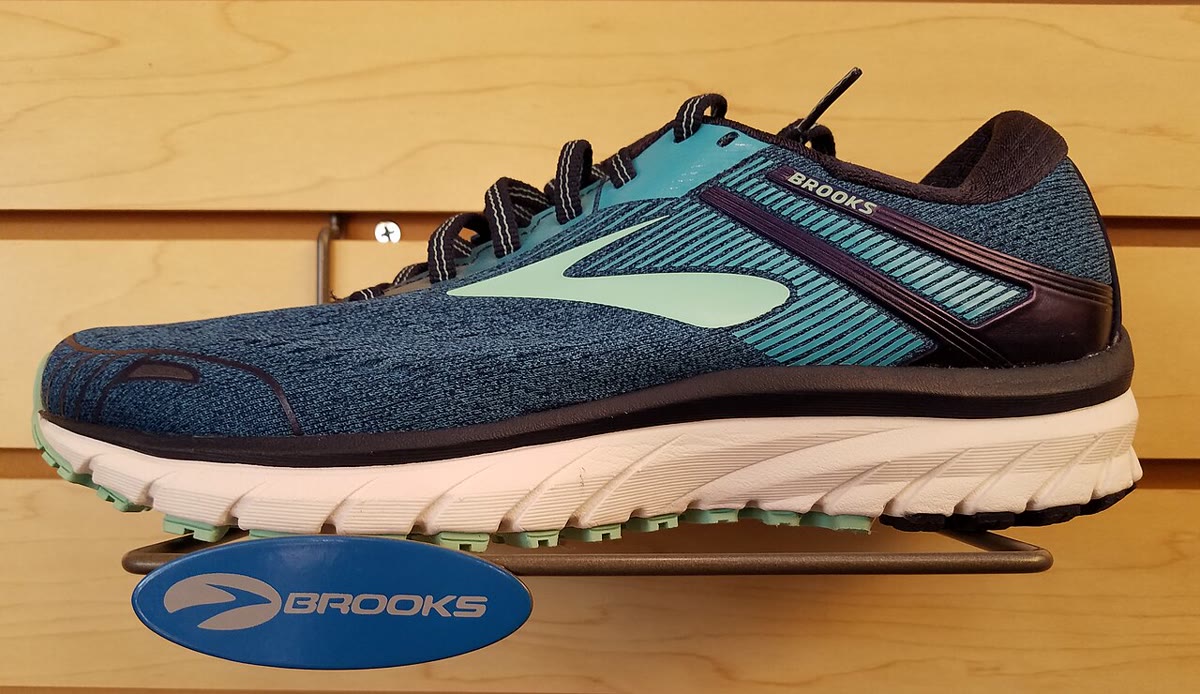
Fashion sport shoes sit between performance and style. Good performance and good looks are not mutually exclusive. Neutral colours go with more outfits and hide wear, while bold colours make a statement. If you want to see how clothing choices connect, our articles on fashion jersey styles, women’s jackets that work beyond one season and Americana fashion offer outfit ideas to wear your shoes with. Price is not always a mark of quality: last season’s models are often discounted, and a mid-range shoe that fits well beats an expensive one that does not. Many brands suggest replacing running shoes after a few hundred miles, though this varies by runner and shoe, so watch for flattened cushioning or new aches.
Frequently asked questions
What specs matter most in fashion sport shoes?
Fit, cushioning, weight, drop and outsole grip matter most, in roughly that order, depending on your activity.
Can I use running shoes for the gym?
You can for light work, but heavy lifting or lateral drills are better in a flatter, more stable shoe.
How often should I replace sport shoes?
When cushioning feels flat, the outsole is worn smooth or you notice new aches. Many brands suggest a few hundred miles for running shoes.
Should I size up?
Many people need a little extra room in sport shoes, but go by fit and toe space rather than assuming a size.
How do I clean them?
Remove laces, brush off dirt, hand wash with mild soap and air dry away from heat to protect glue and foam.
Conclusion
The best fashion sport shoes balance performance with personal style. Define your use, understand a handful of specifications and prioritise fit above everything. A few minutes of careful testing can save you from blisters, injuries and wasted money.