Spanish fashion is one of the most underrated forces in global clothing, which is a strange thing to say about a country that gave us Balenciaga, Zara, and Loewe. Spain’s influence runs deeper than most people track, playing out across couture houses, streetwear labels, and mass retail economics in ways worth actually understanding. I’ve been following this space for years, and the picture is far more layered than flamenco dresses and tourist-market scarves.
The Spanish fashion market came in at roughly €3.4 billion in 2021, even after the pandemic hit European retail hard. That number tells you this is a serious industry. And the designers pushing it forward increasingly split their time between Madrid, Barcelona, and the international circuit in Paris and New York.
Historical Roots of Spanish Fashion
Spanish dressmaking has a documented history going back to the royal courts of the 16th century, where stiff silhouettes and dark fabrics set the blueprint for European formality. That severity never fully left. You can still see it in how Spanish designers tend to favor structure over drape, even when the rest of the world is going soft and relaxed. Cristóbal Balenciaga, born in the Basque Country in 1895, absorbed that tradition and turned it into architectural couture that Coco Chanel once called “the only true couturier.”
Regional craft mattered enormously here. Andalusia contributed embroidery techniques still used in flamenco costuming, while Catalonia built a textile manufacturing base that eventually fed the fast-fashion machine. These weren’t separate tracks; they fed each other. The handwork informed the industrial, and the industrial gave Spanish designers a real cost advantage when scaling ideas up.
Key Designers Shaping the Scene
Ten names come up consistently when you map out Spanish fashion’s reach. Balenciaga is the obvious anchor. After him, Paco Rabanne brought radical material experimentation in the 1960s, working with metal and plastic when everyone else was still cutting wool. Adolfo Domínguez built a quieter legacy in Galicia with minimalist tailoring that, honestly, never got the international press it deserved.
- Cristóbal Balenciaga — architectural couture, Basque Country
- Paco Rabanne — avant-garde materials, Paris-based but Spanish-born
- Adolfo Domínguez — Galician minimalism, still active
- Amaya Arzuaga — sculptural womenswear, Madrid
- Roberto Verino — accessible luxury, consistent quality
- Agatha Ruiz de la Prada — color-first, conceptual approach
- Ion Fiz — Basque tailoring with a modern edge
- Lorenzo Caprile — couture and costume, Madrid institution
- Juanjo Oliva — former creative director at Loewe, now independent
- Leandro Cano — youngest name here, already showing in Paris
Loewe deserves a separate mention. It’s technically a heritage house now under LVMH, but its Spanish DNA runs through everything Jonathan Anderson has done with it. The brand’s leather craft originated in Madrid in 1846, and that history gives it credibility newer luxury labels spend decades trying to manufacture.
Spanish Fashion Capitals Explored
Madrid and Barcelona get most of the attention, but the geography of Spanish fashion spreads out further than that. Madrid is the commercial center, where Cibeles fashion week happens and the major retail headquarters sit. Barcelona leans more experimental, with a stronger connection to art and architecture that shows up in the silhouettes coming out of its design schools.
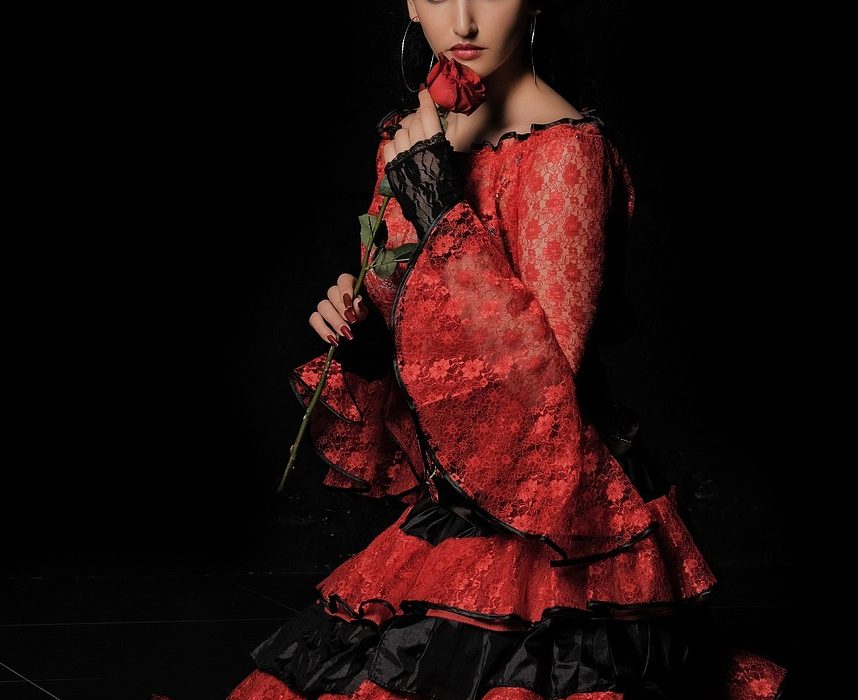
Seville is the spiritual home of traditional Spanish dress. If you want to understand what the rest of the world pictures when it imagines Spain, Seville is where that image was built and has been maintained. Valencia has a quieter fashion scene but a solid textile industry. And Bilbao, partly because of the Guggenheim effect, has developed cultural infrastructure that supports emerging designers in ways Madrid sometimes doesn’t bother with for smaller names. Five cities, five distinct flavors.
Major Events and Their Impact
Mercedes-Benz Fashion Week Madrid, held at the Palacio de Cibeles twice a year, is the flagship event. It draws international press and has launched several names on the list above. 080 Barcelona Fashion is its Catalan counterpart, with a reputation for younger talent and a looser, more experimental atmosphere. The third event worth knowing is Momad, a trade fair held in Madrid that focuses on wholesale buying rather than runway spectacle. Momad is where the actual commercial decisions get made, which is more important than the runway shows for most working designers.
Buyers from Germany, France, and increasingly the Middle East attend Momad specifically because Spanish mid-market pricing tends to undercut Italian equivalents while holding reasonable quality. That’s a competitive edge that rarely gets discussed outside trade press, and in my experience it’s one of the industry’s most underappreciated advantages.
Future Trends in Spanish Fashion
Sustainability became a genuine priority rather than a marketing add-on, with several mid-size Spanish brands committing to traceable supply chains. Slow fashion concepts got real traction in Barcelona especially, where a cluster of small labels started using deadstock fabric as a primary material. That shift took a few years to feel credible, but it does now.
Streetwear influence kept growing, particularly among designers under 35. The clean tailoring tradition hasn’t disappeared, but it’s being crossed with sportswear proportions in ways that feel genuinely Spanish rather than derivative of what London or Seoul was doing. Digital fashion weeks opened up the audience considerably. A designer based in Bilbao no longer needed a Paris showroom to reach international buyers, which changed the economics for independent labels in ways I think we’re still working out.
Where Spanish Fashion Stands Now
Spanish fashion has earned its place in the global conversation through deep craft tradition and serious commercial infrastructure, and the roster of working designers is broader and more diverse than it was even ten years ago. What I’d watch going forward is the generation below Leandro Cano, designers currently in school or just out of it. Spain’s design education has gotten noticeably better funded over the past decade (I’m not entirely sure what triggered that investment, but the results are showing up). The historical roots are solid, and the next wave has the resources and international exposure to do something genuinely interesting with them.
FAQs
What are the top Spanish fashion brands?
Zara, Loewe, Mango, Desigual, and Massimo Dutti are the most globally recognized. Loewe sits at the luxury end; Zara and Mango dominate accessible mid-market retail worldwide.
How does Spanish fashion influence global trends?
Zara’s two-week production cycle effectively set the pace for fast fashion globally. At the couture level, Balenciaga’s silhouette work reshaped how designers approach structure, an influence still visible today.
What events showcase Spanish fashion?
Mercedes-Benz Fashion Week Madrid, 080 Barcelona Fashion, and the Momad trade fair are the three main events, covering runway, emerging talent, and wholesale buying respectively.