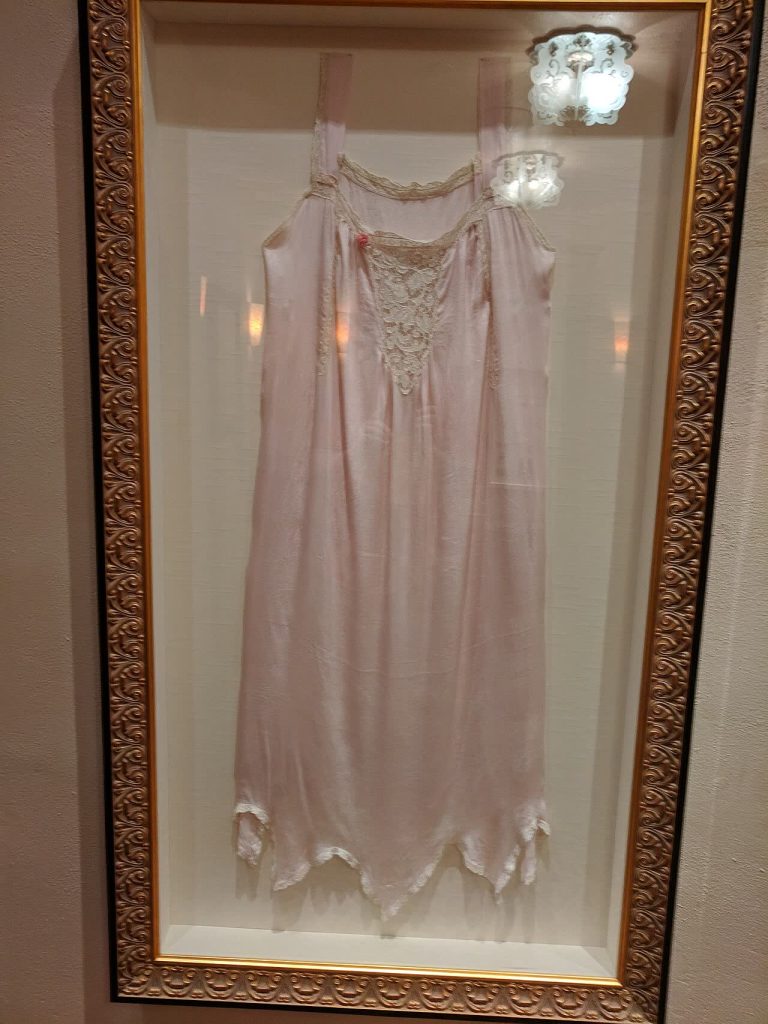
I pulled a Calvin Klein slip dress out of a vintage shop in 2019 and paid twelve dollars for it. The woman at the counter said she’d had it on the rack for two years because “nobody wanted old stuff.” Six months later, that exact silhouette was everywhere on fast-fashion sites at thirty times the price.
1990s women’s fashion has that kind of staying power. It keeps disappearing and reappearing, and each time it lands a little harder. The decade ran from grunge to minimalism to logomania, sometimes all at once, and that range is exactly why designers keep mining it. There’s always something in there that fits the current mood.
Key takeaways
- 1990s women’s fashion ran from grunge flannel and Doc Martens to minimalist slip dresses and logo-heavy pieces.
- The decade keeps returning because its basics are easy to find secondhand and easy to mix with modern clothes.
- Slip dresses, mom jeans, chunky shoes, and bucket hats are the revival pieces that matter most.
- Buying vintage first is usually the cheapest way to test a trend before paying current retail prices.
Key Trends in 1990s Women’s Fashion
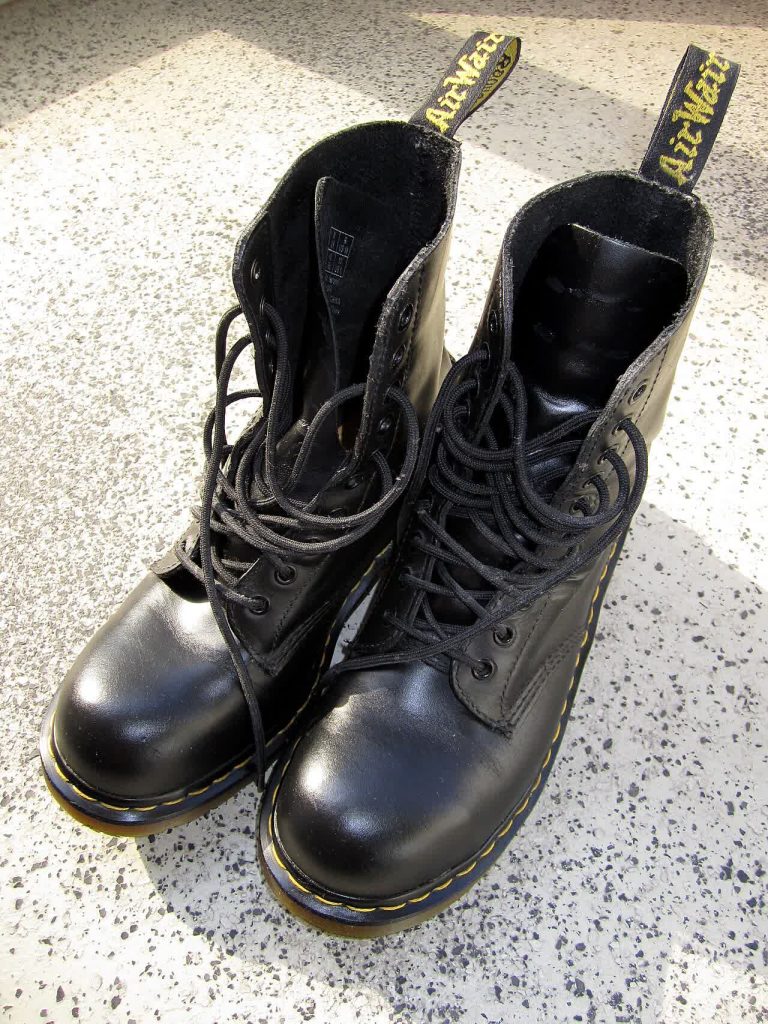
The decade split pretty cleanly into two halves. Early 1990s women’s fashion leaned into grunge: flannel shirts worn open over band tees, Doc Martens, ripped jeans, combat boots that cost around forty to sixty dollars new. By mid-decade, minimalism had taken over, with clean lines, neutral palettes, and slip dresses worn over plain white tees. Both directions are still being ripped off today.
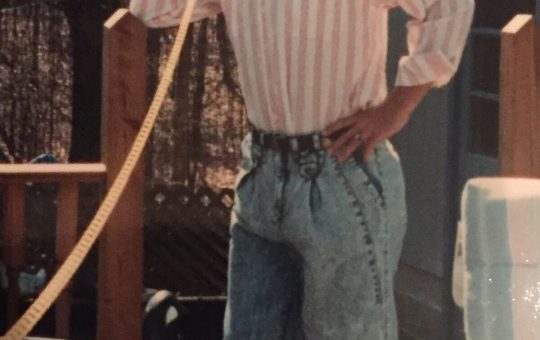
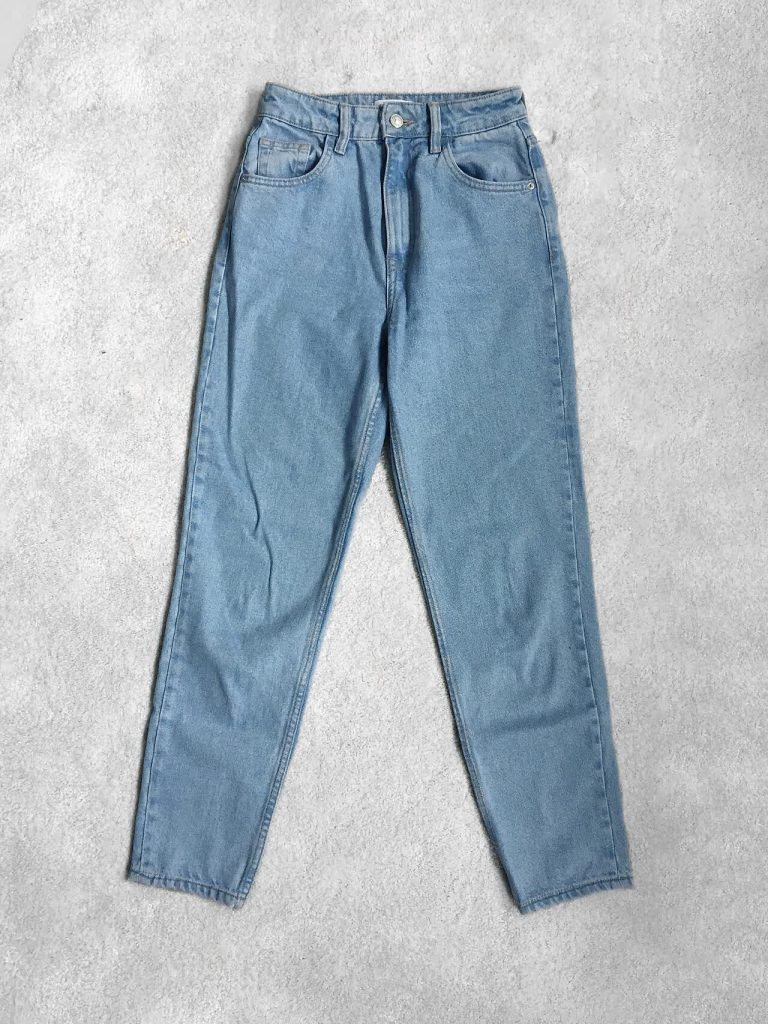
Other staples included high-waisted mom jeans, crop tops, platform sneakers, and the bucket hat. Plaid blazers were everywhere from 1994 onward, partly because of Clueless. Bodycon dresses, popularized by Azzedine Alaïa a few years earlier, hit their mainstream peak around 1996 to 1998. Butterfly clips and frosted tips also happened, though those are mercifully less revived.
Iconic Brands and Designers
Calvin Klein was the decade’s defining minimalist brand. His 1994 campaign featuring Kate Moss on a bare set fixed the visual tone for the whole era. Donna Karan’s DKNY gave working women something polished but not stiff. Versace went the opposite direction, bold prints and body-conscious cuts, and Gianni Versace’s murder in 1997 marked a strange cultural turning point for the label.
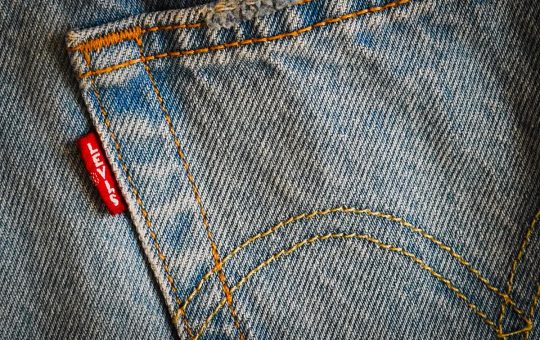
At street level, Gap was enormous. A plain Gap logo sweatshirt retailed around thirty-five dollars and felt genuinely aspirational to a lot of teenagers. Tommy Hilfiger and Ralph Lauren were the logomania brands before that term existed, both riding a wave of hip-hop adoption that sent their visibility through the roof. Levi’s 501s at roughly forty-five dollars a pair were the default denim for almost everyone.
Celebrity Influence on 1990s Women’s Fashion
No discussion of 1990s women’s fashion makes sense without the Spice Girls, whose 1996 debut pushed platform trainers and crop tops into mainstream consciousness almost overnight. Each member had a distinct style identity, which gave every fan someone to dress like. Scary Spice’s animal print and Posh Spice’s LBD were essentially mood boards for two completely different demographics.
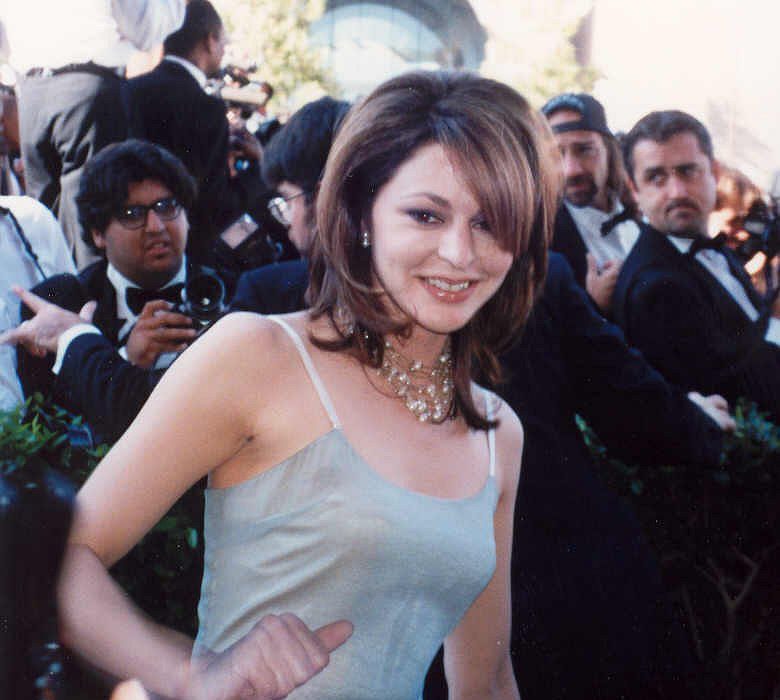
Courtney Love made the babydoll dress feel dangerous. Alicia Silverstone in Clueless made preppy plaid feel fun. And Jennifer Aniston’s haircut (yes, a style choice, not a garment) generated more fashion-adjacent conversation than almost any actual outfit of the decade. Her clothes on Friends were consistently mid-priced and accessible, the kind of thing real women could actually copy, and they did.
Diana, Princess of Wales, belongs here too. After her divorce in 1996, her off-duty looks, bicycle shorts, oversized blazers, simple shift dresses, became some of the most photographed and imitated of the era. She made understated feel intentional rather than accidental.
Price Points in 1990s Women’s Fashion
Some 1990s women’s fashion prices look surprisingly reasonable in hindsight; others look shockingly low. A Donna Karan suit retailed around three hundred to five hundred dollars. Manolo Blahniks, newly famous after Sex and the City premiered in 1998, ran four hundred to six hundred dollars. Designer jeans from Guess or Jordache sat at sixty to eighty dollars, which felt steep to most buyers at the time.
Fast fashion as we know it barely existed yet. H&M had a limited US presence and Zara was still mostly a European story. Most mid-market shopping happened at department stores, where a decent Macy’s blazer might cost ninety to one-twenty. Fewer cheap options meant longer trend cycles and, honestly, more cohesion in how people dressed.
Cultural Impact of 1990s Women’s Fashion
1990s women’s fashion landed at a moment when music television was genuinely powerful. MTV’s Total Request Live launched in 1998 and turned musicians into daily visual references in a way radio never could. What Mariah Carey wore in a video on Tuesday could be in a mall store by the following month. The feedback loop was faster than anything before it, even if it looks slow compared to TikTok now.
The decade also saw a real public conversation about body image begin, largely as a reaction to the “heroin chic” aesthetic that dominated runway imagery from about 1993 to 1997. Magazines faced criticism they hadn’t encountered before. That tension between the clothes themselves and who was shown wearing them started in earnest in the 1990s, and it’s still unresolved.
Modern Revival of 1990s Trends
The 1990s women’s fashion revival has been building since roughly 2017 and shows no sign of slowing. Slip dresses from brands like Reformation now retail at one-sixty to two-twenty, several times what the originals cost. Chunky-soled shoes from New Balance and Asics are selling in volumes those brands hadn’t seen in twenty years. Mom jeans have basically stopped being called a trend and just are jeans now.
Part of what keeps 1990s women’s fashion sticky is that it reads as anti-fashion. In a market flooded with engineered drops and algorithm-driven micro-trends, a plain slip dress or worn-in flannel feels like a statement against all of that, even when it costs just as much. I’m not sure any other era has pulled off that trick quite as consistently.
How to Wear 1990s Women’s Fashion Today
You do not need a full costume. Start with one anchor piece, such as a slip dress or a pair of high-waisted jeans, and pair it with plain modern basics so the look reads as styled, not themed. A slip dress works over a white tee in cooler weather and alone in summer. Boots like Dr. Martens take the sweetness out of a floaty dress, and the brand’s own history is covered in this Dr. Martens overview.
Thrift shops and vintage stalls are the best place to practice. Denim and plaid from the period were made to last, so older pieces often hold up better than recent copies. For the wider timeline, the encyclopedia entry on 1990s fashion is a good reference, and these related reads follow the same trend: fall fashion 2025 and the return of 90s styles, 1989 fashion trends that are back, and the influence of early 2000s fashion.
FAQs
What were the most popular styles in the 1990s?
Slip dresses, mom jeans, plaid blazers, crop tops, and combat boots dominated the decade, alongside minimalist suiting and logomania pieces from Calvin Klein and Tommy Hilfiger.
How did celebrities influence 1990s fashion?
Artists and actors like the Spice Girls, Jennifer Aniston, and Princess Diana turned personal style choices into mass trends, often within weeks of a single televised appearance.
What 1990s trends are back today?
Slip dresses, chunky sneakers, bucket hats, and high-waisted jeans are all mainstream again, with platform shoes and logomania also firmly back on the high street.
Is it cheaper to buy 1990s clothes vintage or new?
Usually vintage or secondhand, since original pieces often cost less than current retail copies, though condition and sizing take some patience.
Which shoes are most linked to 1990s style?
Combat boots such as Dr. Martens, chunky sneakers, and platform shoes are the footwear most associated with the decade.