Year 2000 fashion was shaped less by optimism and more by a palpable millennial anxiety. As the world braced for the new millennium, styles reflected genuine uncertainty, blending playful experimentation with something almost guarded. From low-rise jeans to velour tracksuits, what people wore in 2000 said a lot about where their heads were at.
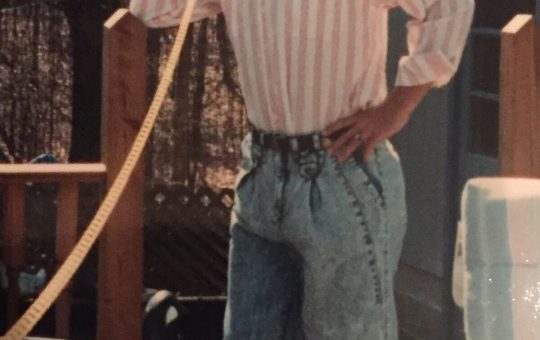
One of the most iconic trends was low-rise jeans, which dropped to a 7-inch rise by that point. Pretty extreme, honestly. Fashion labels were simultaneously throwing vibrant colors and bold designs at the wall, creating an eclectic mix that mirrored the cultural confusion of the age. And then there was athleisure, with Juicy Couture leading the charge. Their velour tracksuits retailed for $165 to $200 and became a genuine wardrobe staple, somehow managing to feel both comfortable and aspirational at the same time.
What Defined Year 2000 Fashion
Year 2000 fashion pulled from high and low cultural references all at once, reflecting a generation trying to make sense of rapid technological change. Streetwear picked up serious momentum, and brands started blurring the line between casual and high fashion in ways that hadn’t really happened before. Logos were everywhere, especially Von Dutch, because wearing a brand visibly had become its own kind of status signal. Pop culture drove all of this, faster than most people realized at the time.
Platform shoes were another defining feature. Steve Madden was producing soles up to 4 inches thick, which sounds impractical but somehow looked completely natural on anyone wearing the right outfit. Fashion in this era was genuinely daring, pairing comfort with a statement that was hard to ignore.
Iconic Pieces and Who Wore Them
Britney Spears’s outfit at the 2000 MTV Video Music Awards sparked a bare-midriff trend that mass retailers scrambled to copy within weeks. Crop tops flooded stores almost immediately, which tells you how reactive the industry had already become. Celebrities in that era weren’t just wearing clothes, they were setting production schedules.
Beauty followed the same logic. Frosted eyeshadow and glossy lips were everywhere, creating a very specific template for how glamour was supposed to look. Women were after something effortlessly polished but still playful, and drugstore makeup sales reflected that shift in a real way.
Fast Fashion’s Role in Spreading Trends
H&M and Forever 21 moved fast in this period, copying celebrity styles and getting them onto racks before the magazine feature had even hit newsstands. Von Dutch trucker hats are a good example: retail price around $30, but resale prices climbed past $150 fairly quickly. That gap between accessible and exclusive is something the era basically invented as a mainstream concept.
From what I’ve seen looking back at this period, this is where the fashion industry’s current churn really took root. Social media was just beginning to emerge, and trends were already spreading faster than anyone could track. The infrastructure for instant trend replication was being built in real time, even if nobody called it that yet.
How Y2K Style Returned to Runways
Year 2000 fashion formally re-entered runways at Paris Fashion Week Spring 2022, and it wasn’t purely nostalgic. Designers were genuinely interested in how those silhouettes and references could be pushed forward rather than just repeated. I’d say the revival landed better than most nostalgia cycles do, partly because the original aesthetic was so specific and easy to reference without being vague about it.
Bold colors, playful patterns, and shapes that leaned into both femininity and individualism all came back with enough variation to feel current. Millennial nostalgia drove the initial interest, but a younger audience picked it up quickly, often with no direct memory of the original moment. That’s how you know a trend has staying power, when it doesn’t need context to make sense.
Where Y2K Style Stands Now
What’s interesting about year 2000 fashion, looking at it now, is how much of it felt throwaway at the time and how much has actually stuck. The low-rise silhouette keeps cycling back. Velour has had multiple serious moments since 2020. And the logo-heavy approach to dressing never really went away; it just moved into different categories.
I’ll admit I’m not entirely sure whether we’re at peak Y2K revival or if there’s still more runway left in it (no pun intended). Trends are genuinely hard to call at the peak. But the cultural staying power of this particular era seems stronger than most people expected when they first started seeing the references reappear.
FAQs
What did people wear in the year 2000?
Low-rise jeans, velour tracksuits, crop tops, and platform shoes were all staples of year 2000 fashion. Von Dutch trucker hats were a popular accessory.
Why is Y2K fashion popular again?
Millennial nostalgia brought it back, but younger audiences without memories of the era have kept it going by making the aesthetic their own.
What colors and fabrics were trendy in 2000?
Bright colors, metallics, and velour dominated year 2000 fashion. Neon hues and bold patterns were especially associated with the era’s visual identity.